
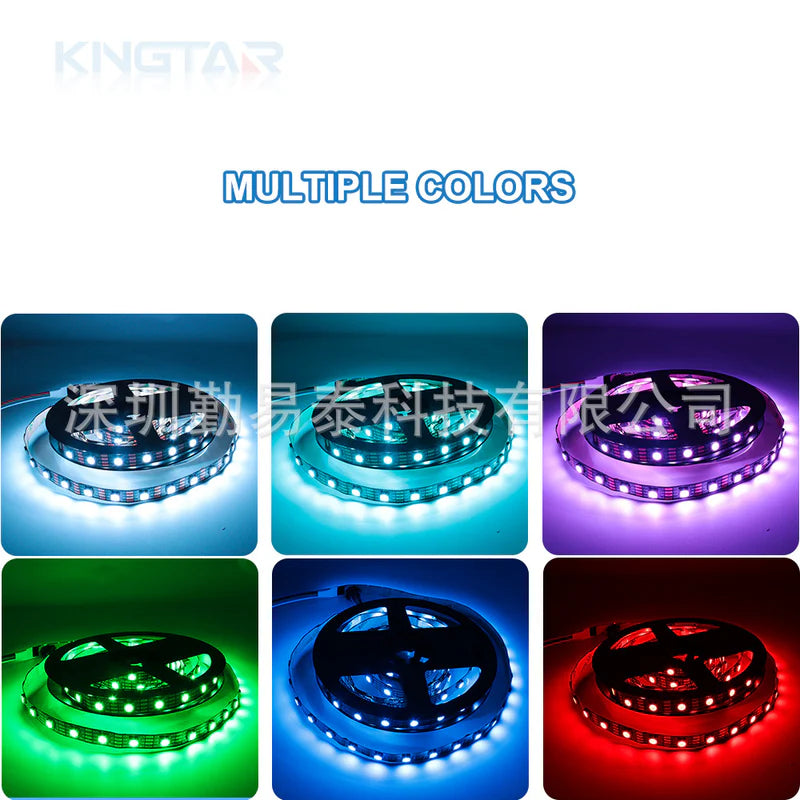
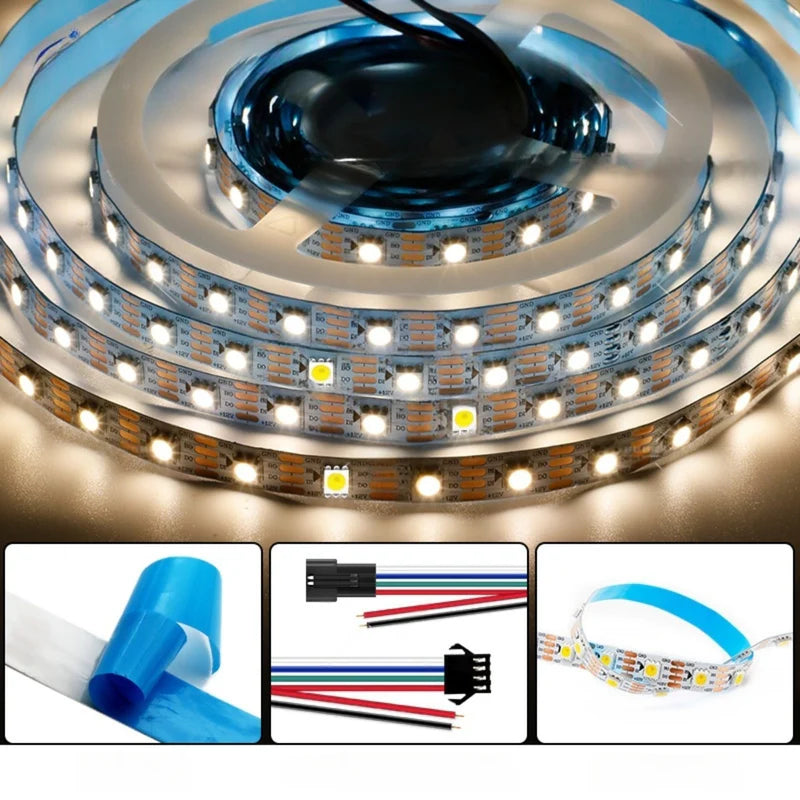



Individually Addressable Lighting
Each compatible IC LED strip supports individually addressable control for customized flowing, chasing and animated lighting effects.

Dynamic Lighting for Custom Effects
Individually addressable LED strips for party décor, signage, DIY projects, and custom accent lighting, with RGB, RGBW, shape, and waterproof options.
Filters
10 products
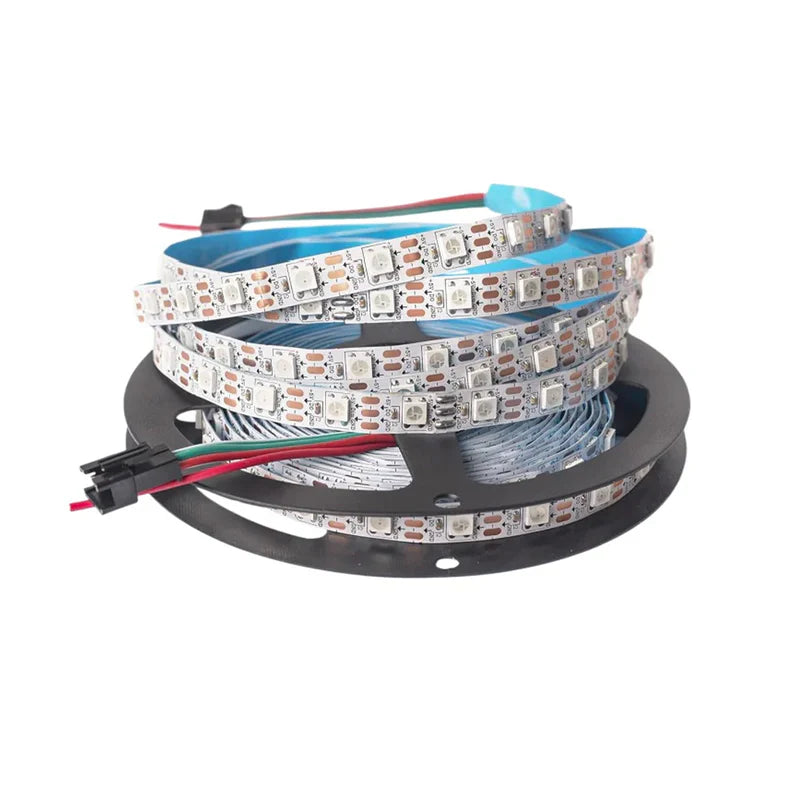
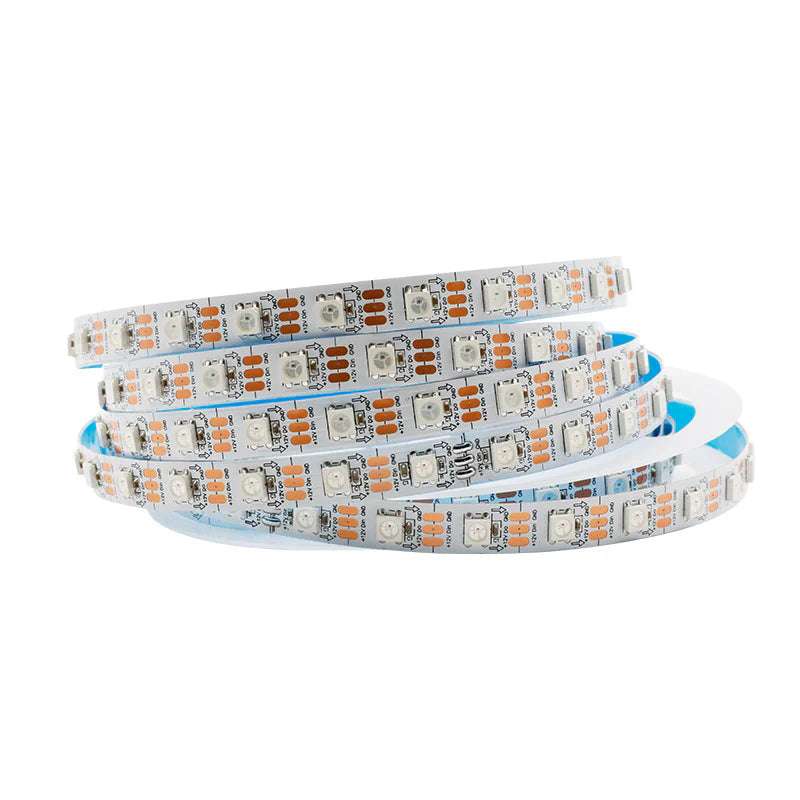
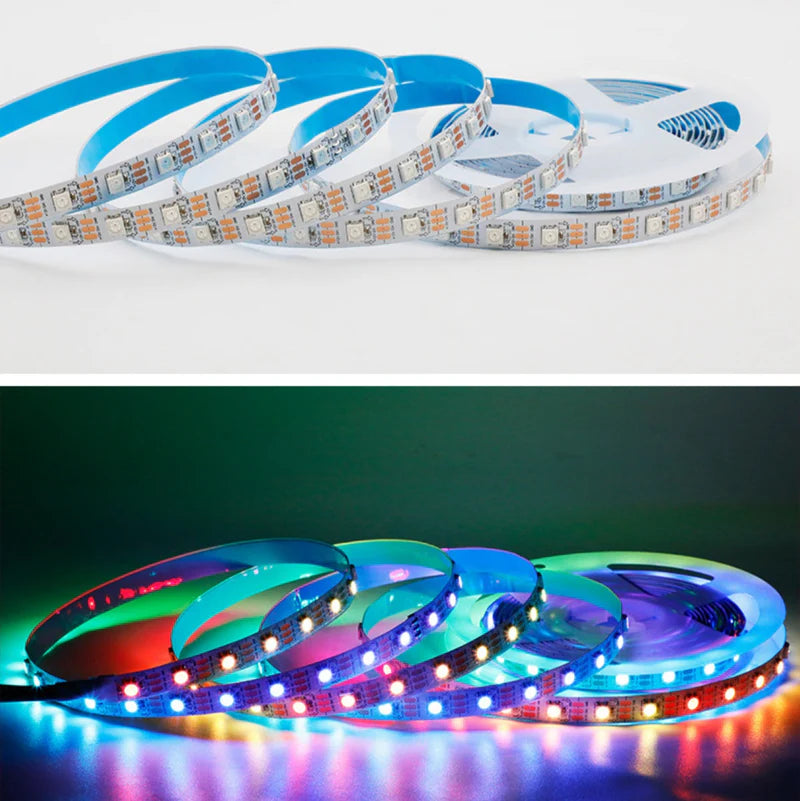
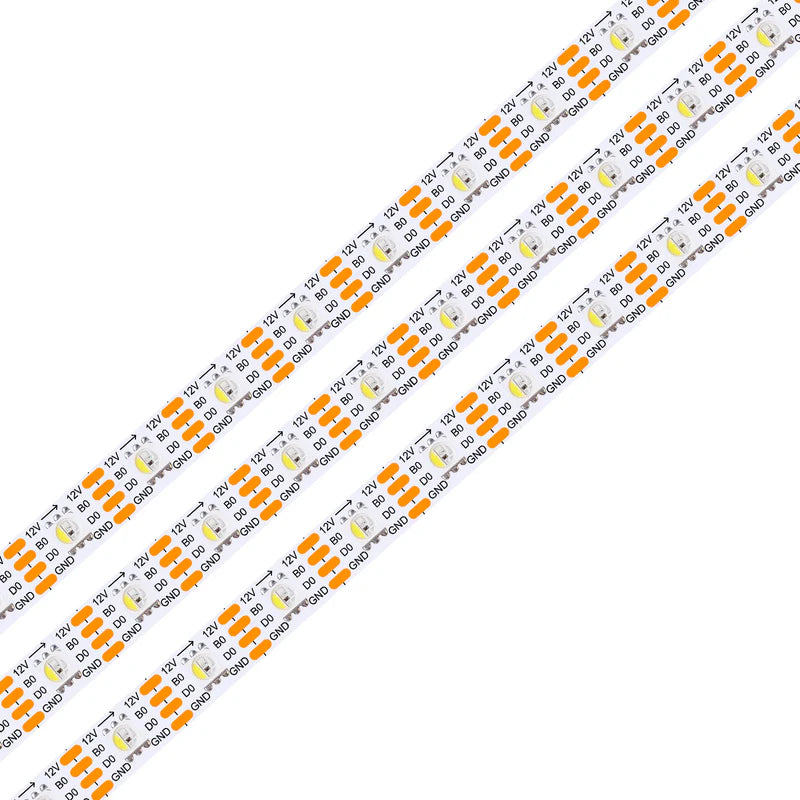
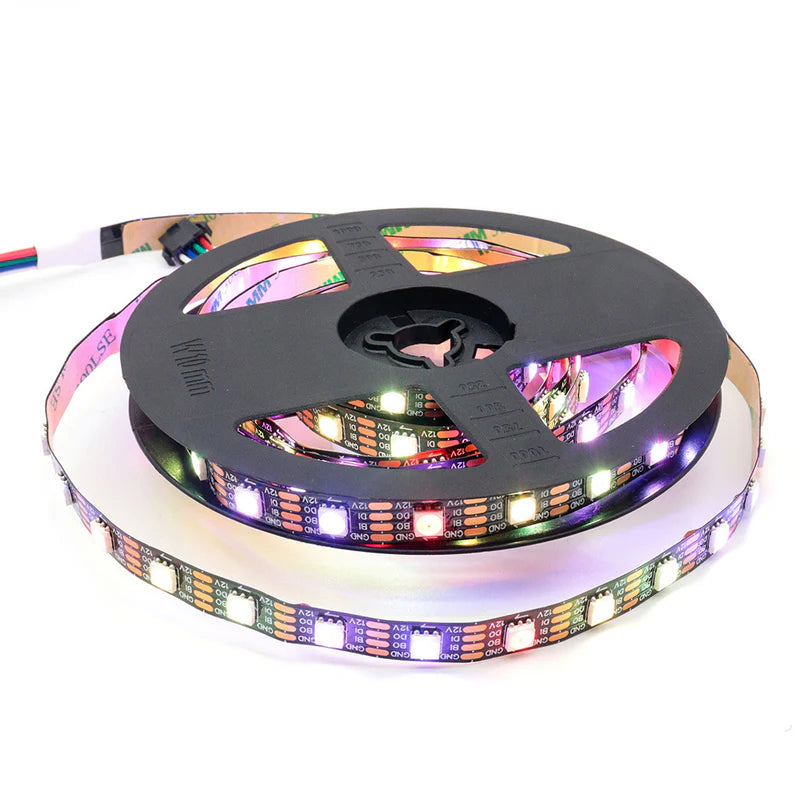
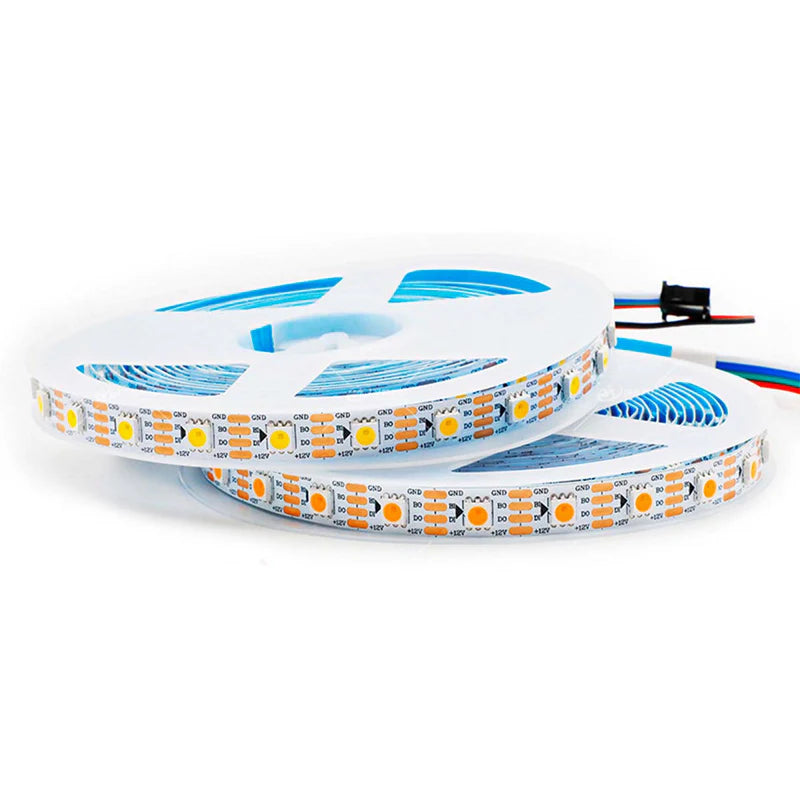
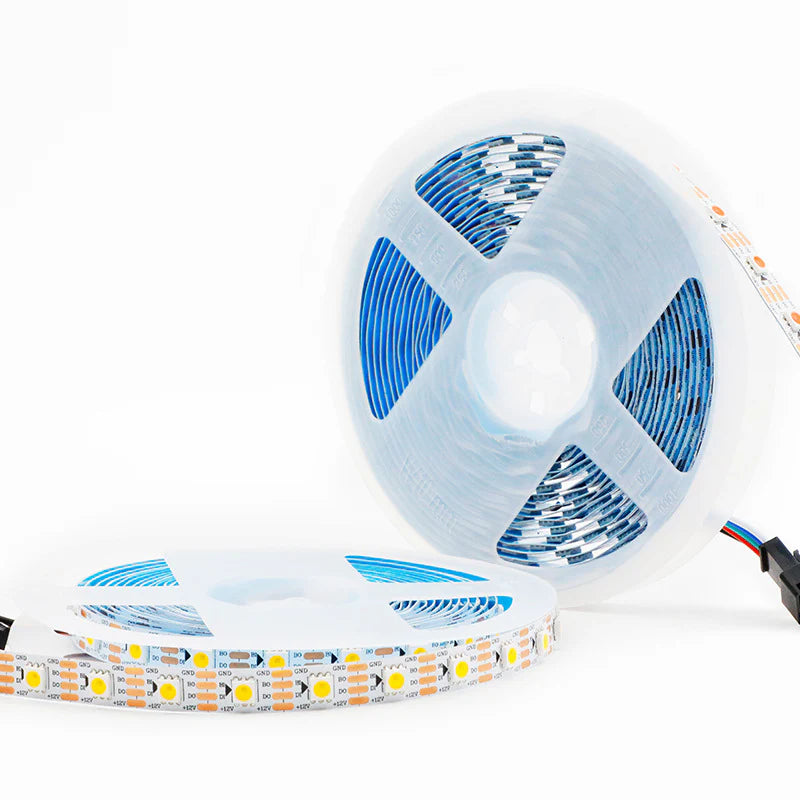

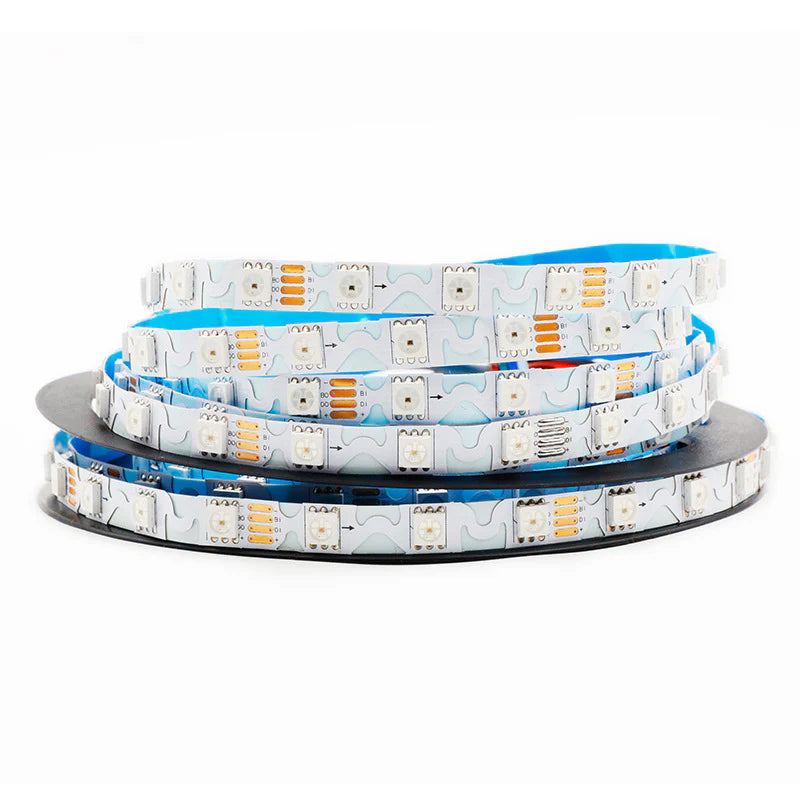

Explore real customer questions, application ideas and answers from our team.

A cleaner upgrade for a home office setup
Answered by LightingWillVoltage, reliability and installation type matter most

Color effects vs a dedicated white channel
Lighting sideways instead of straight out
No discussions in this category yet.

I had a normal RGB strip behind my desk for a couple of years and it was fine, but the whole strip could only show one color at a time.
I replaced it with the 12V WS2815 strip when I redid the shelves above the desk.
The biggest difference for me isn’t that the colors are brighter — it’s being able to have different colors moving along the same strip instead of everything changing together.
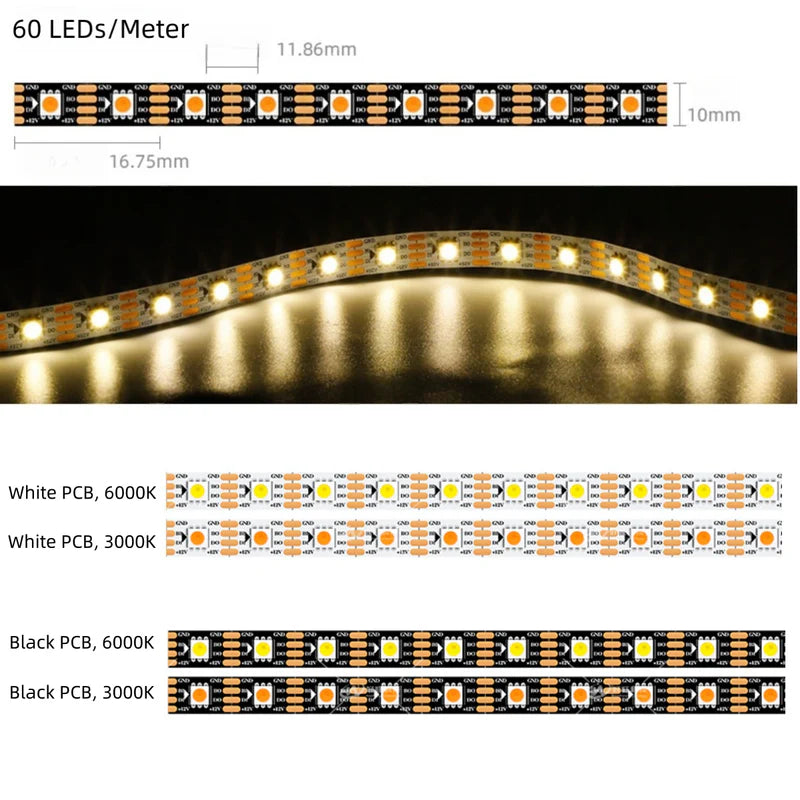
I used the 60 LEDs/m version and mounted most of it behind the desk and shelf edges so you don’t really see the strip itself.
Setup took a little longer than a basic RGB strip because of the controller and wiring, but once it was working I was happy with it.
I usually keep the effects pretty subtle unless I’m gaming.
Thanks for sharing the setup.
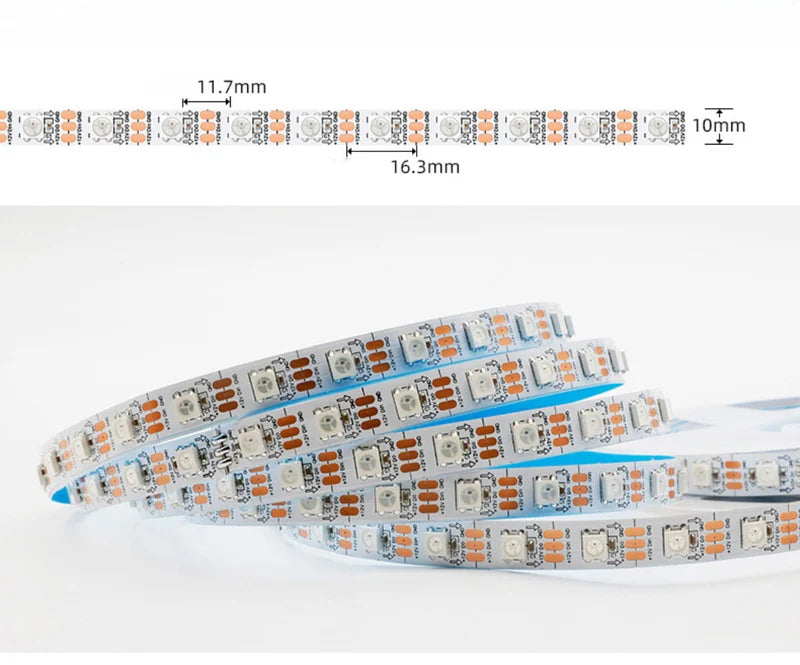
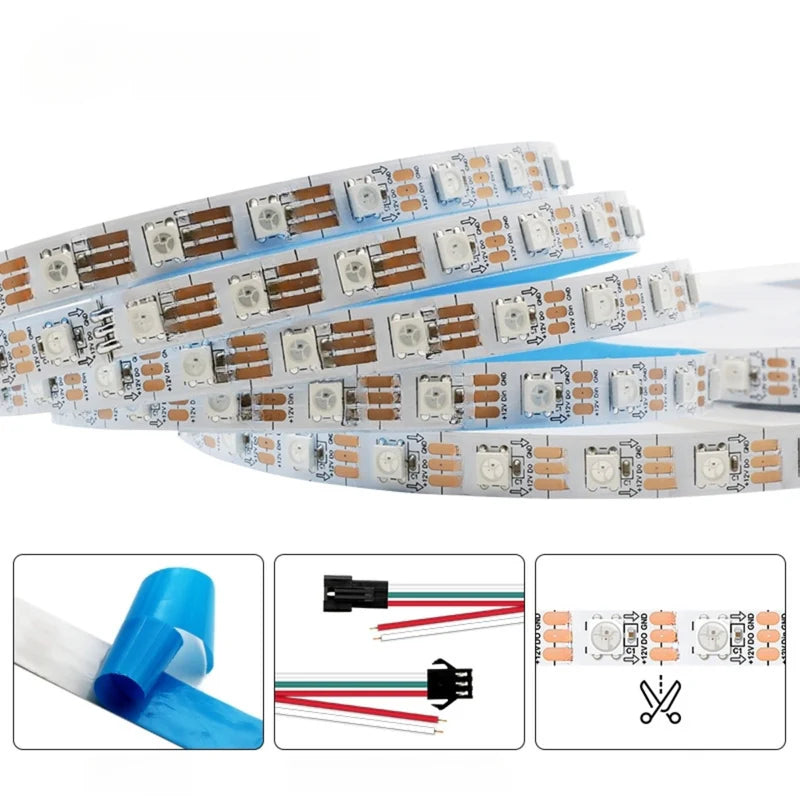
The WS2815 RGBIC strip uses individually addressable LEDs, which allows different sections of the strip to display different colors and dynamic effects at the same time.
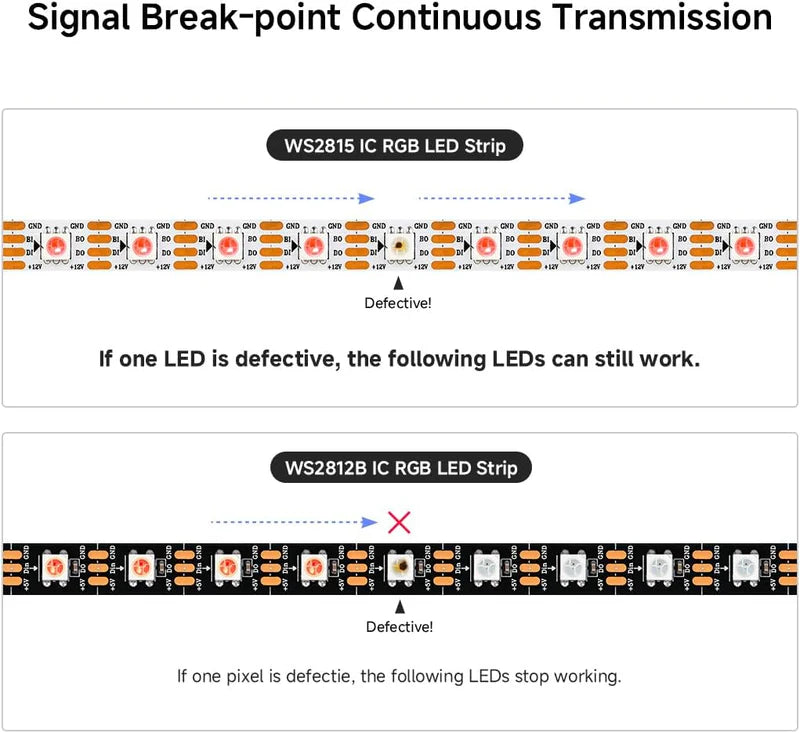
The current WS2815 version runs on DC12V, is available in 30 / 60 / 96 LEDs per meter, and offers IP00, IP65 and IP67 versions. It also supports breakpoint resume, so signal transmission can continue beyond a failed LED pixel.
RGBIC strips can look almost identical before installation, but voltage, signal design and PCB structure can make one model much better suited to a project than another.
Here’s the simplest way to separate the current options.
WS2812B — DC5V
A common individually addressable RGB option available in 30 / 60 / 96 LEDs/m.
WS2812 — DC12V
Useful when you prefer a 12V RGBIC system. Current versions are available in 30 / 60 LEDs/m.
WS2815 — DC12V
Adds breakpoint resume / redundant signal transmission, helping the remaining LEDs continue receiving data if one pixel is damaged.
RGBWIC WS2815
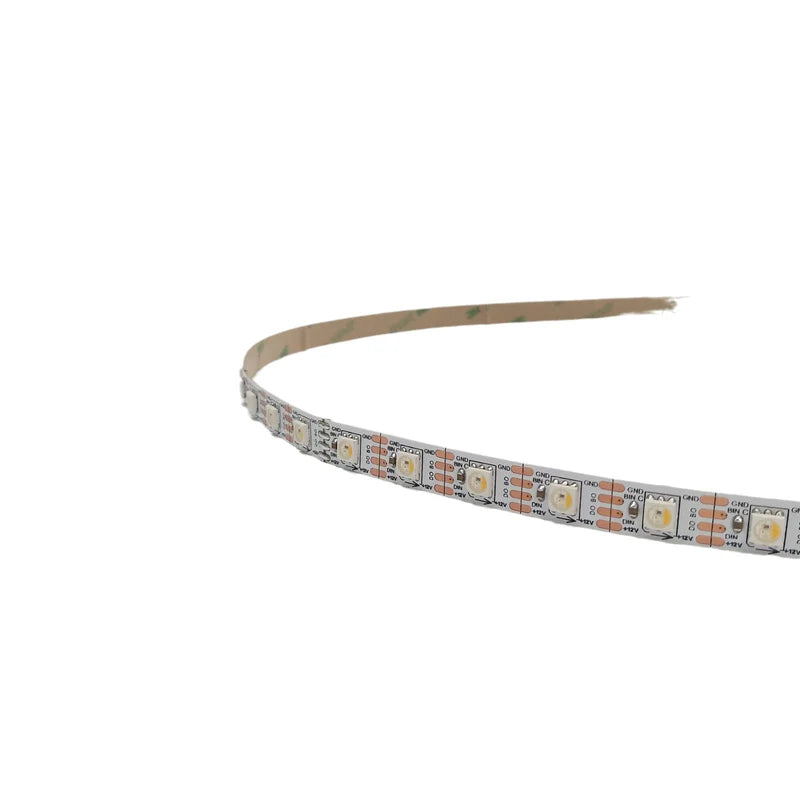
Adds a dedicated white channel to the individually addressable RGB system. LightingWill currently offers both 3000K warm white and 6000K cool white versions.
Side Emitting RGBIC
Uses SMD4020 LEDs on a narrow 5mm PCB, with the light emitted from the side rather than straight upward.
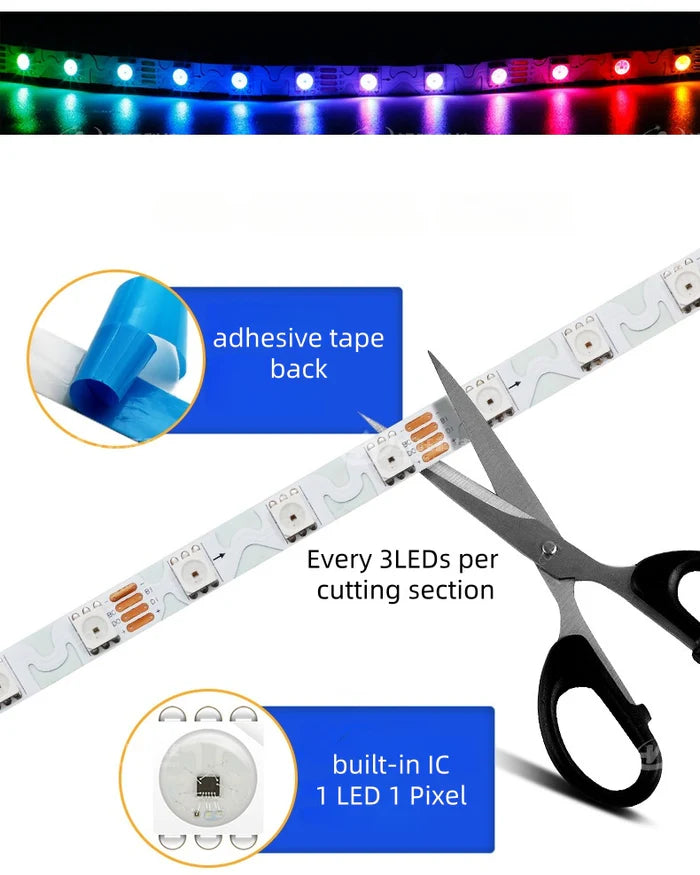
S-Shape RGBIC
Designed for curves, letters, logos and irregular shapes where a conventional straight PCB is harder to route.
I’m adding lighting around a media cabinet and want the moving RGB effects for movie nights.
The problem is I’d also like to use the same strip as normal shelf lighting sometimes.
I know RGB strips can mix the colors to make something that looks white, but I’m guessing it won’t look the same as having actual white LEDs.
Would RGBWIC make more sense for this?
Yes. If normal white lighting is part of the project, RGBWIC is generally the better choice.
The current WS2815 RGBWIC strips combine individually addressable RGB effects with a dedicated white LED channel in the same 4-in-1 SMD5050 package.
LightingWill currently offers both:
They are available in 30 / 60 / 96 LEDs/m and support breakpoint resume, IP00, IP65 and IP67 configurations.
I’m building a couple of acrylic display shelves and want the light to enter from the edge instead of shining directly toward the room.
I noticed the side-emitting RGBIC strip uses smaller LEDs and a 5mm PCB.
Is that the kind of application it’s designed for, or would a normal top-emitting strip still be better?
A side-emitting strip is worth considering when the installation needs the light to project from the side of the PCB rather than straight upward.
The current WS2812 Side Emitting model uses:
That makes it useful for narrow edge-lighting, display details and other installations where a conventional upward-facing LED package is awkward to position. The current model is non-waterproof and intended for indoor use.


