

Specialized Wavelengths for Technical Projects
Red and infrared strip lighting for night vision, imaging, sensing, horticulture, and wellness projects, with flexible and rigid options.
Coverage across the red to near-infrared spectrum: 635nm to 940nm IR LED Strip Lights.
LightingWill’s IR LED Strip Light collection offers multiple wavelength options tailored for specialized lighting needs. From visible red to invisible infrared, these strip lights are available in flexible and rigid formats using high-performance SMD2835 and SMD5050 LED chips.
Choose the ideal IR LED Strip Light type based on your wavelength preference and installation environment.
Wavelength Guide: Choosing the Right IR LED Strip Light for Your Setup
| Wavelength | Visibility | Typical Applications | Available Strip Types |
|---|---|---|---|
| 635nm | Visible | Used for indicators, decorative lighting, and signage systems | SMD2835-635nm | SMD5050-635nm |
| 660–670nm | Visible | Red light therapy, photobiomodulation, and plant lighting | SMD2835-660nm | SMD5050-660nm |
| 730–735nm |
Near-Infrared
(Low Visibility) |
Photoperiod control and flowering stimulation in plants | SMD2835-730nm | SMD5050-730nm |
| 810nm |
Near-Infrared
(Invisible) |
Near-infrared therapy and deep tissue illumination | SMD2835-810nm | SMD5050-810nm |
| 850nm | Infrared (Invisible) | Night vision lighting, IR sensors and surveillance systems | SMD2835-850nm | SMD5050-850nm |
| 940nm | Infrared (Invisible) | Camera IR lighting, remote control devices and IR imaging | SMD2835-940nm | SMD5050-940nm |
Scroll to view all wavelength options
LED Chip Guide SMD2835 vs SMD5050 View structure, output, density and application differences
| Feature | SMD2835 (Single-Chip) | SMD5050 (Triple-Chip) |
|---|---|---|
| LED Structure | Each LED contains 1 chip | Each LED contains 3 chips |
| Emission Power | Stable output, suitable for general IR/red light applications | Higher radiant intensity, ideal for high-output applications |
| Light Spread | More uniform, ideal for short-range or surface lighting | Stronger projection, ideal for long-range or focused lighting |
| Application Focus | Home therapy, plant supplement light, basic surveillance | Professional therapy, industrial sensors, night vision and security |
| Available Densities | 60 / 120 / 240 LEDs/m | 30 / 60 / 120 LEDs/m |
| Product Types | Available in both flexible and rigid strips | Available in both flexible and rigid strips |
Recommendation:
Choose SMD5050
if you need higher brightness,
higher output or professional-grade performance.
Choose SMD2835
for cost-effective,
standard-use applications.
Filters
18 products
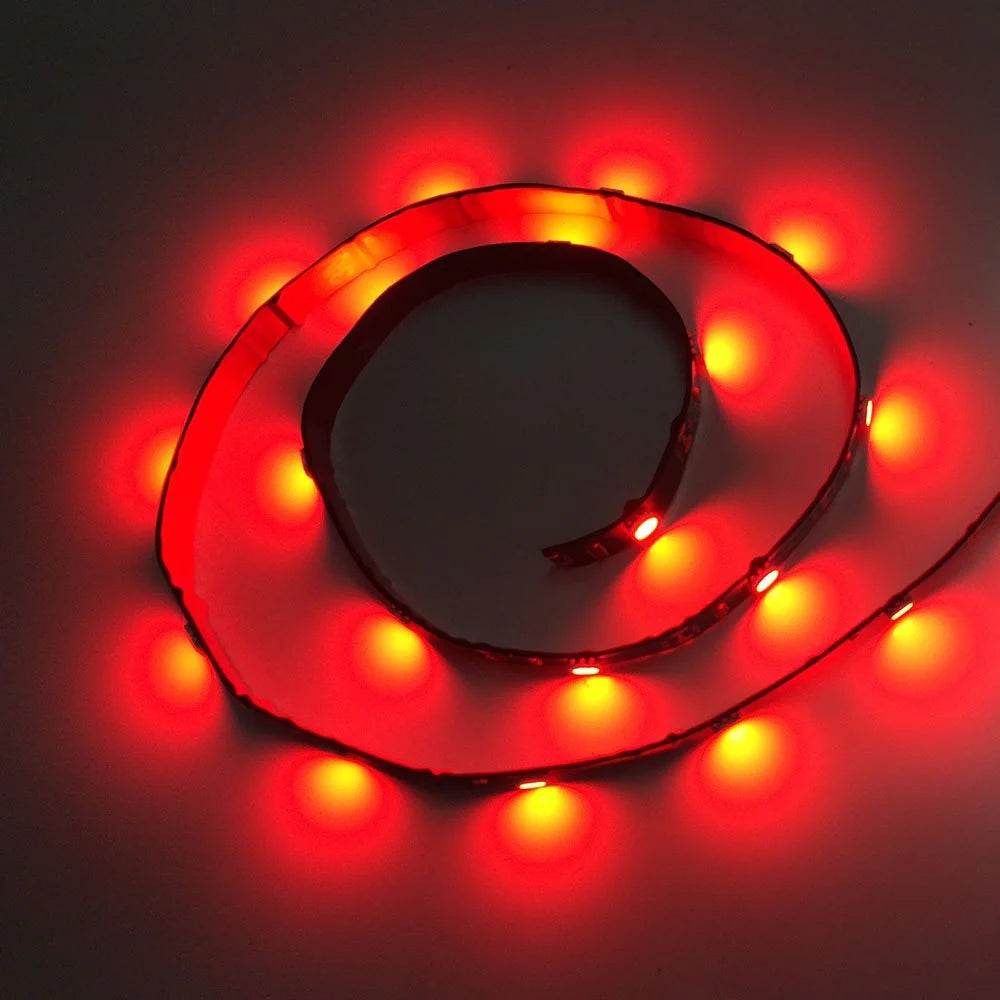
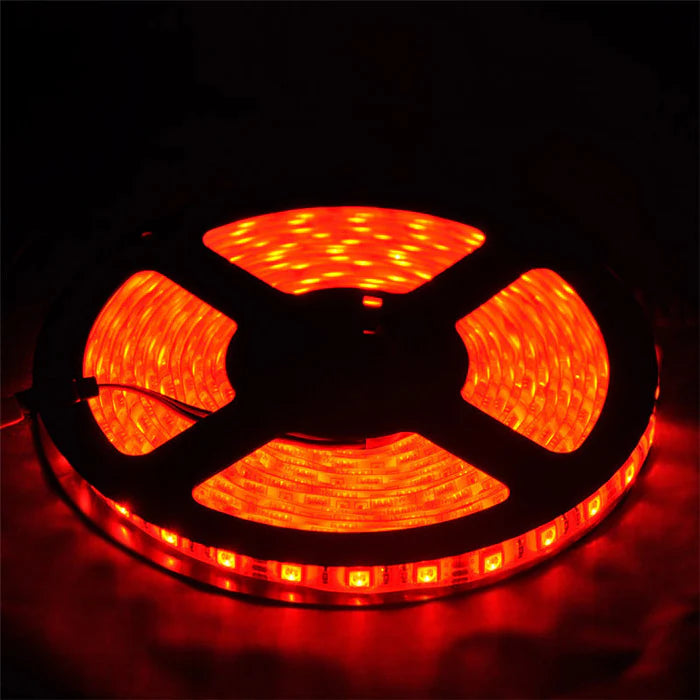
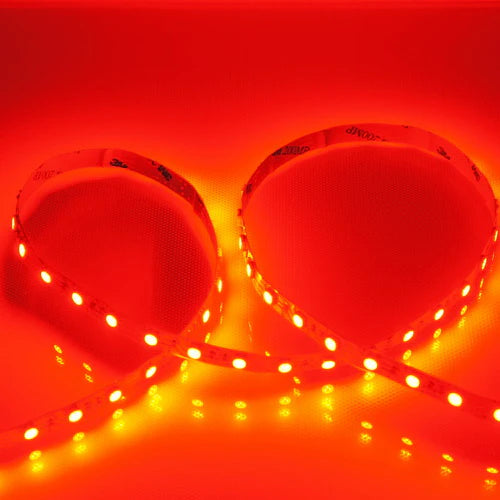
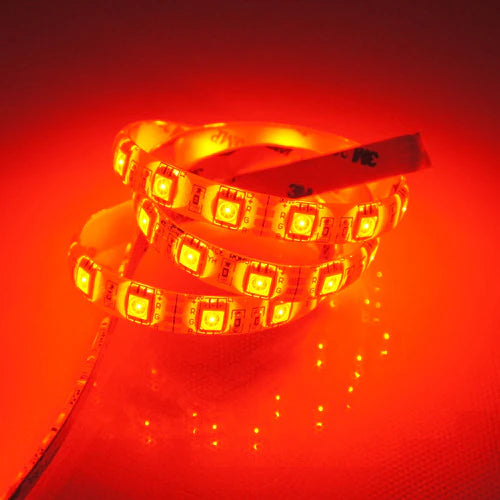
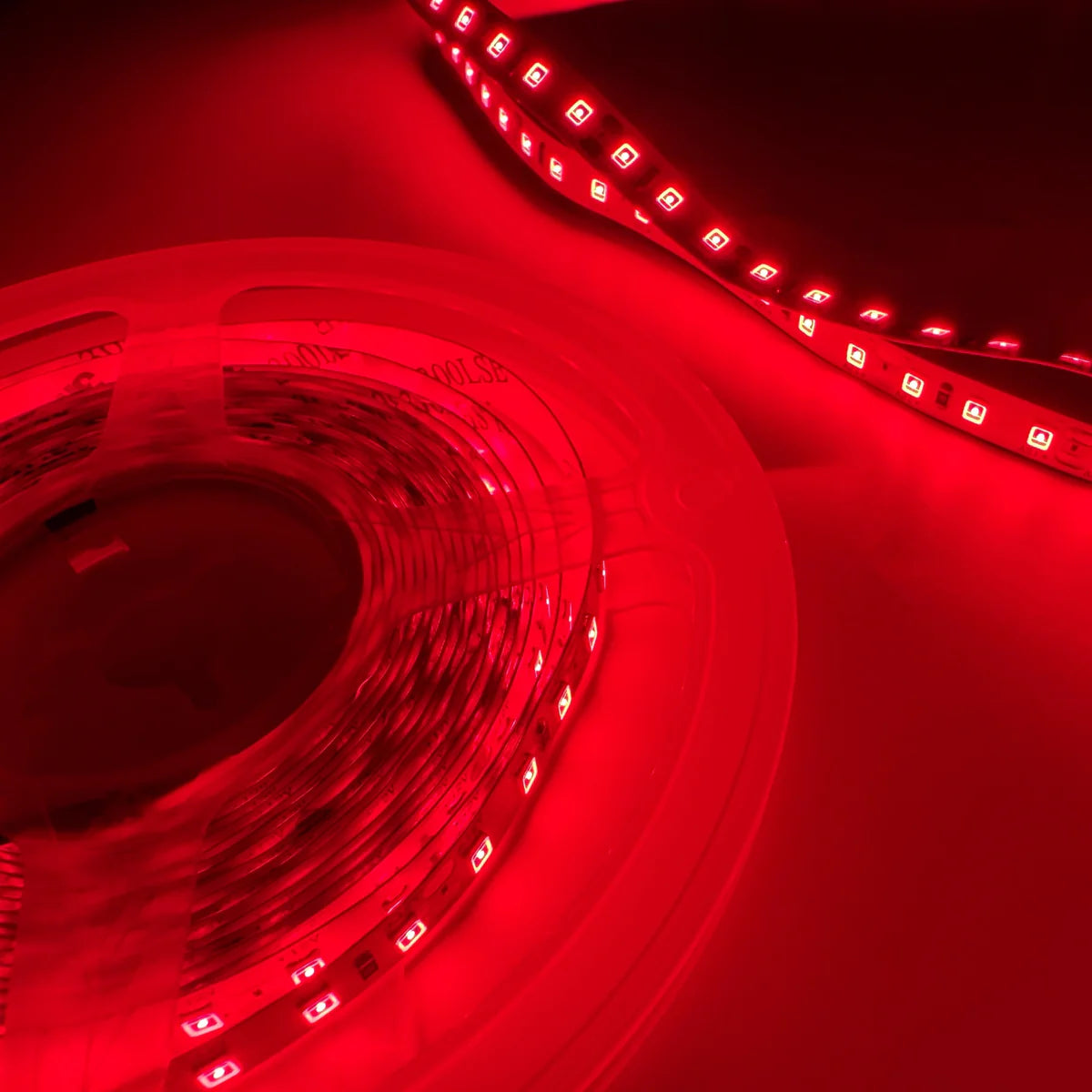
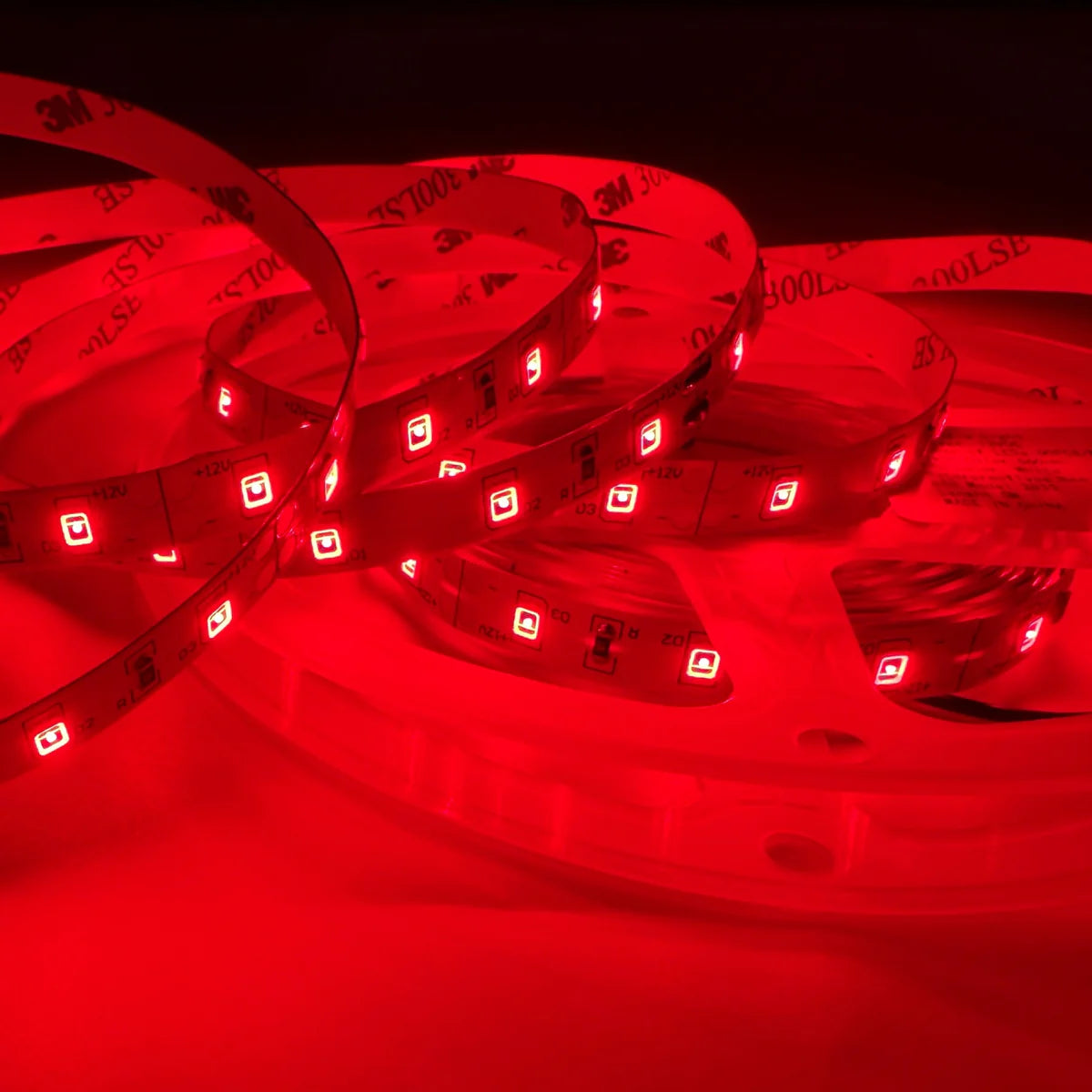
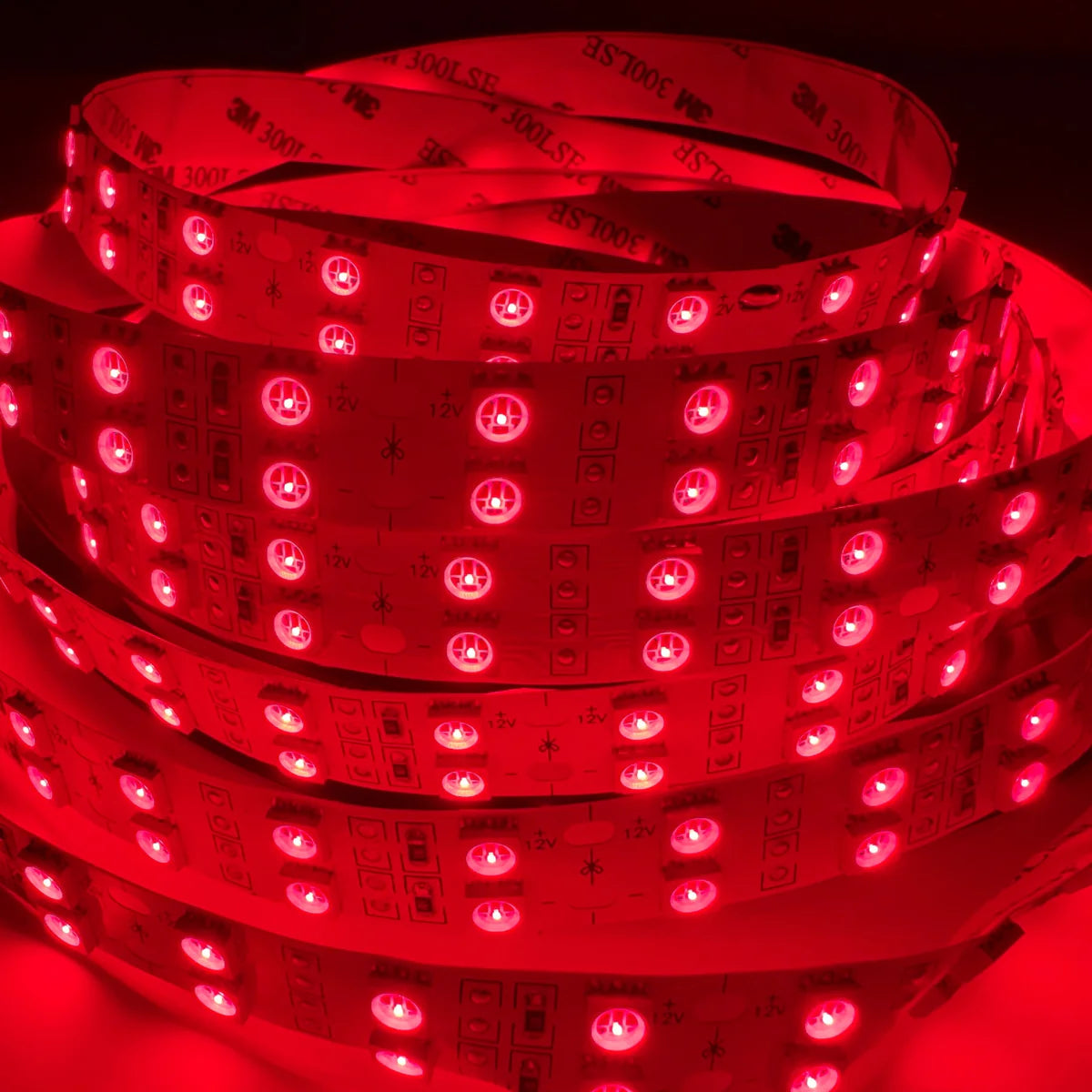
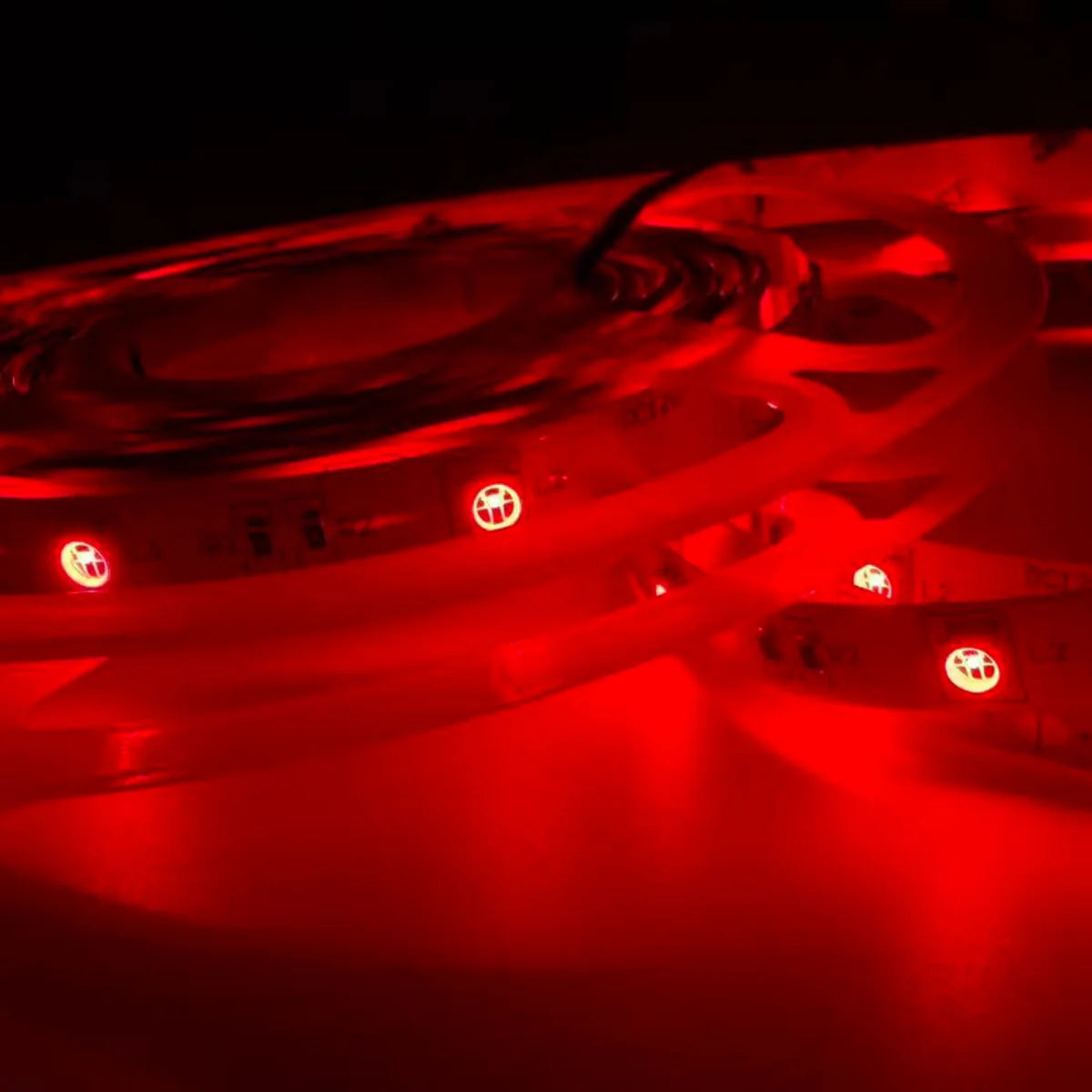
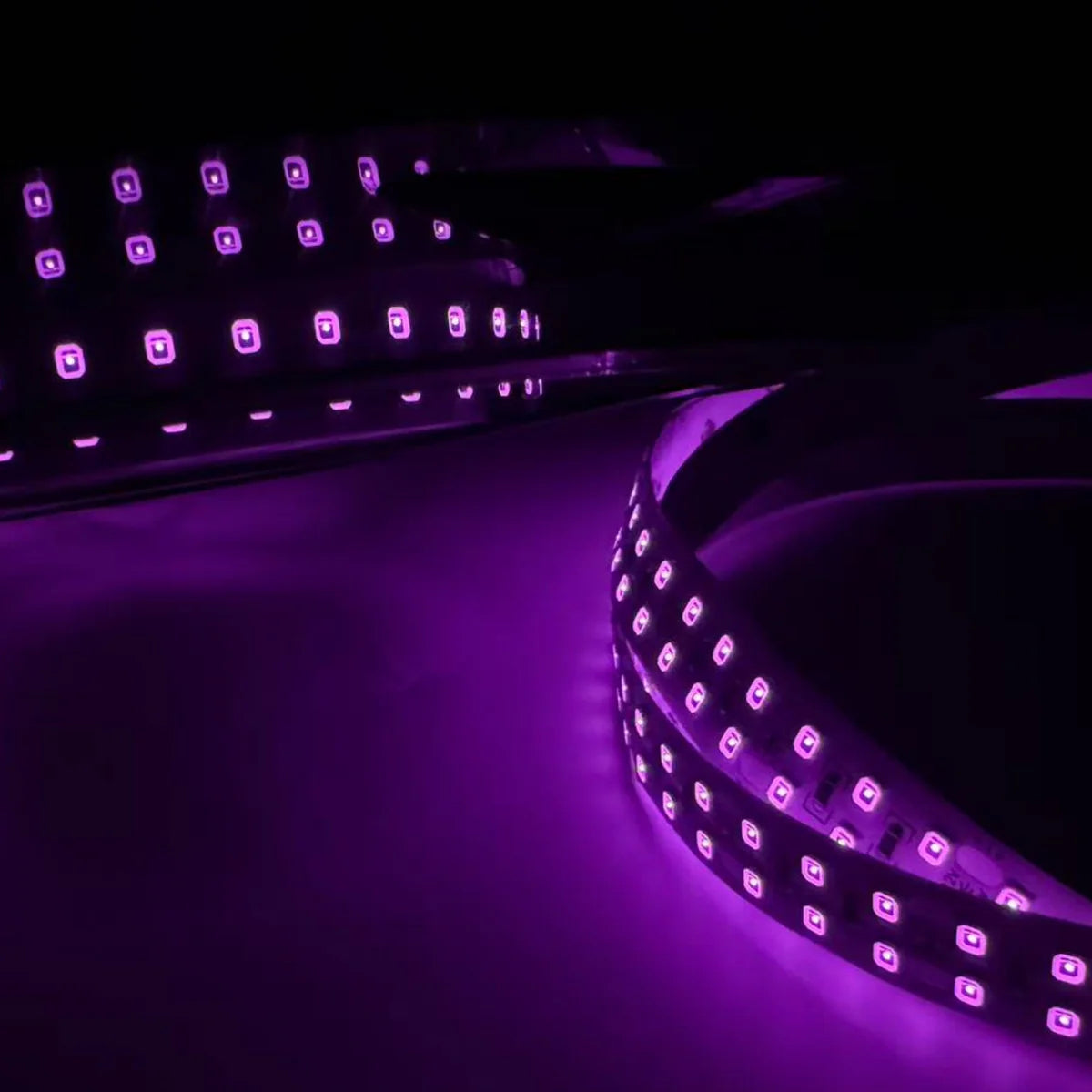
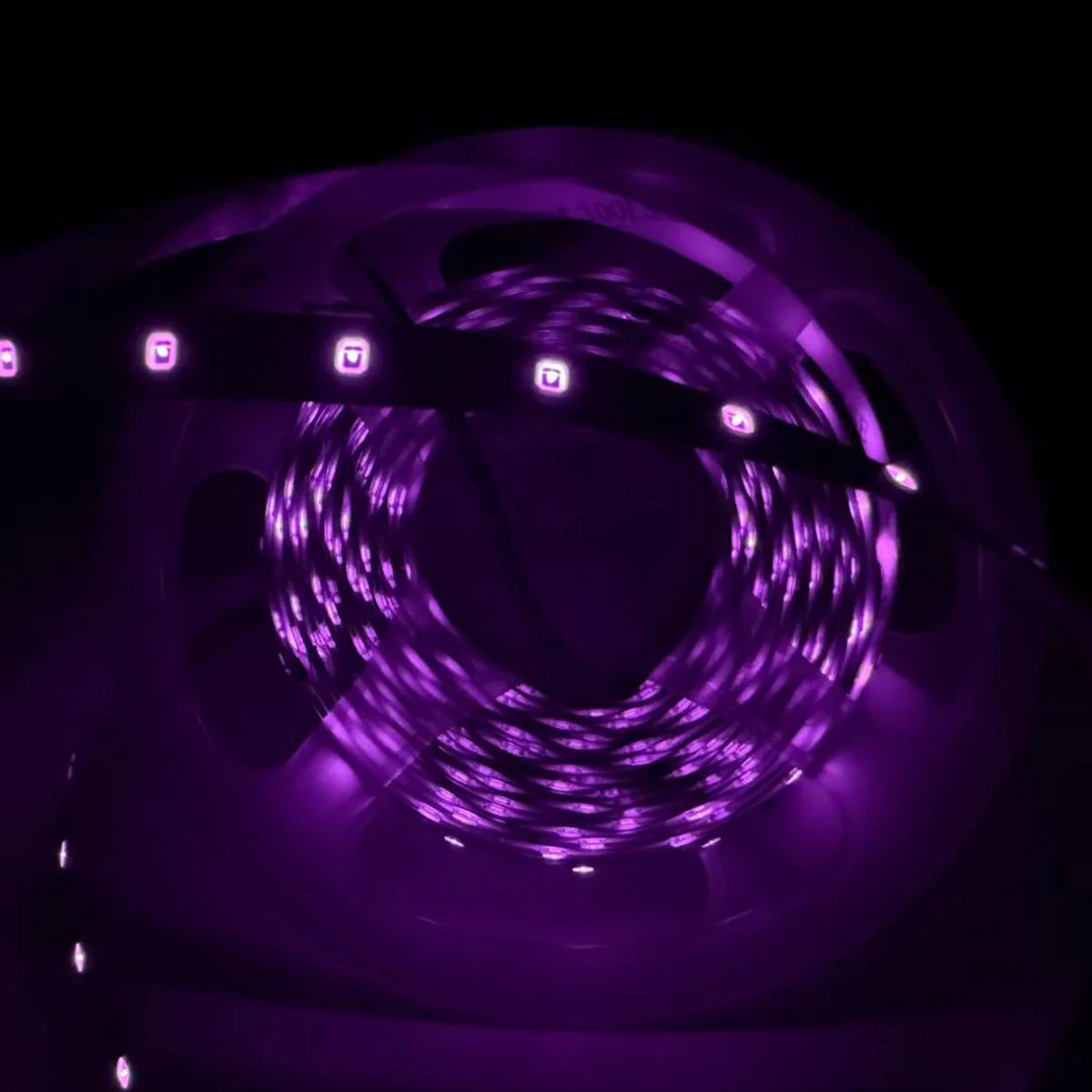
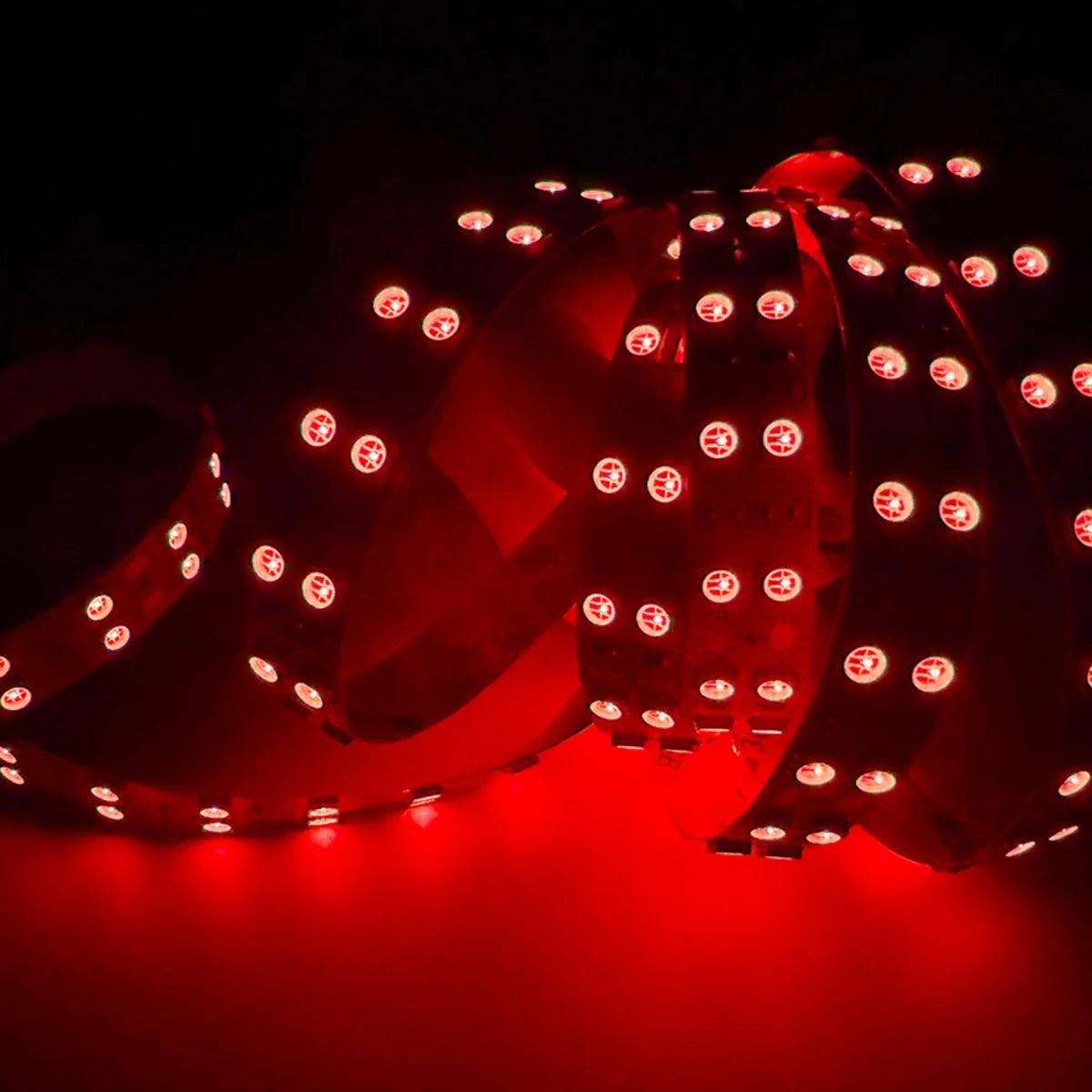
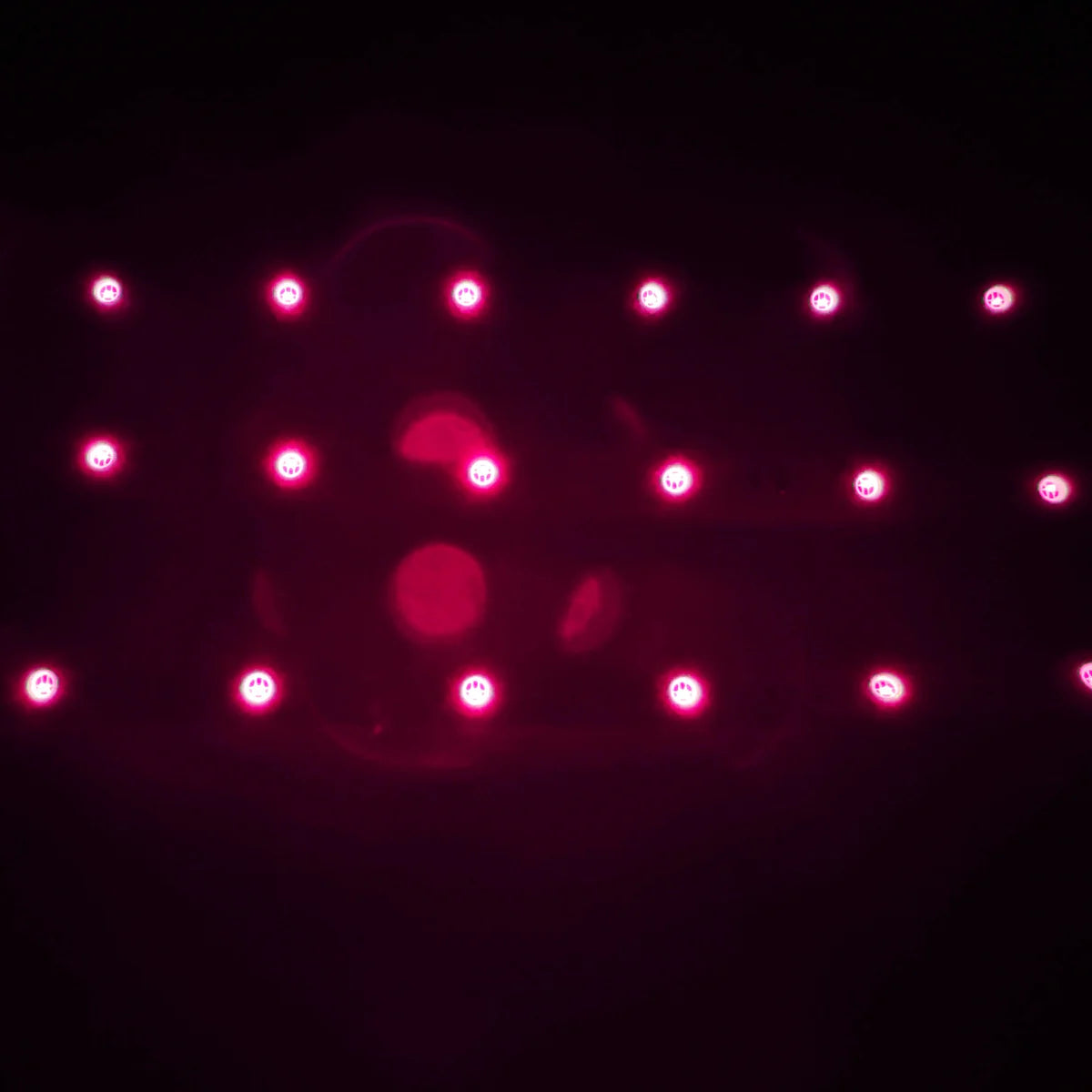
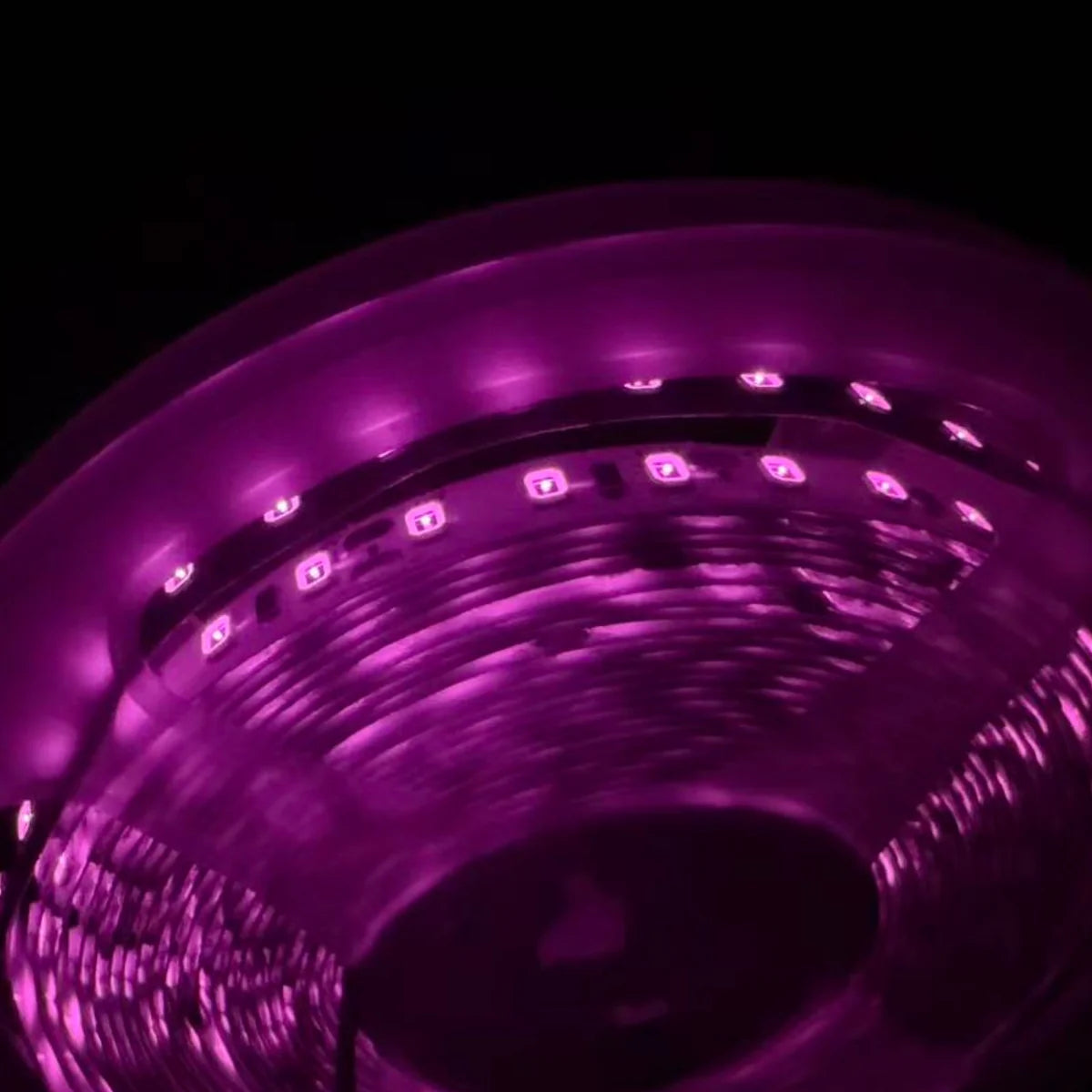
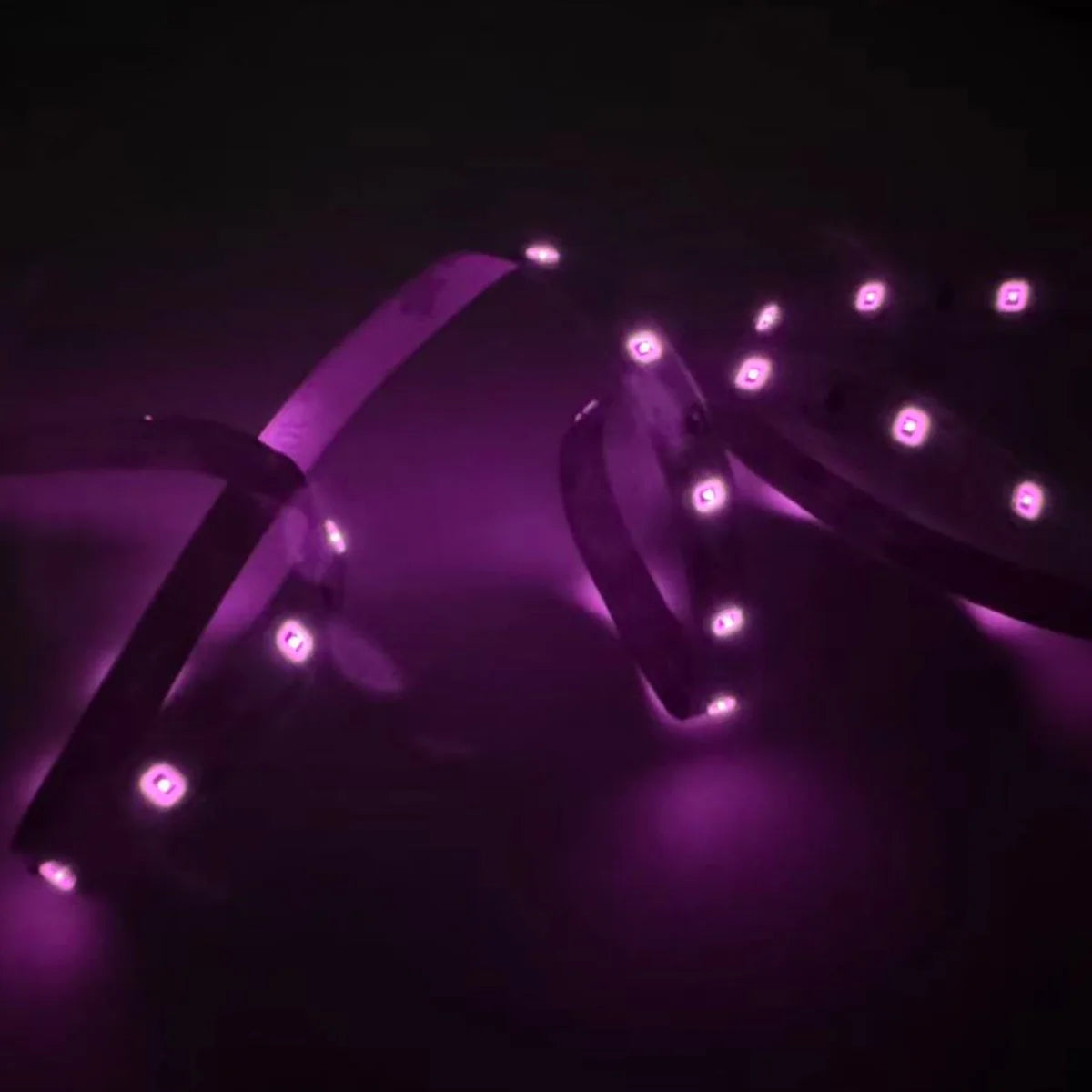
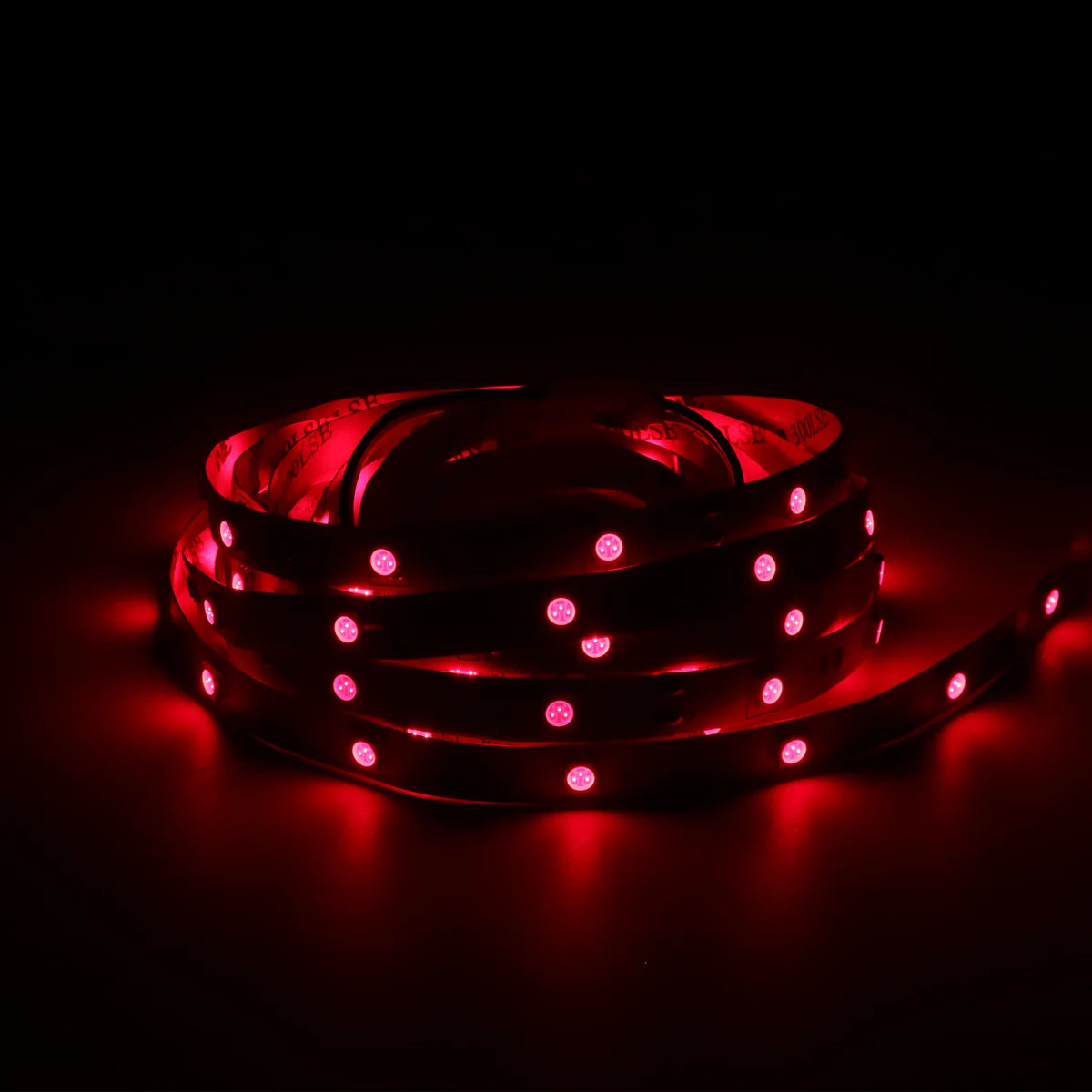
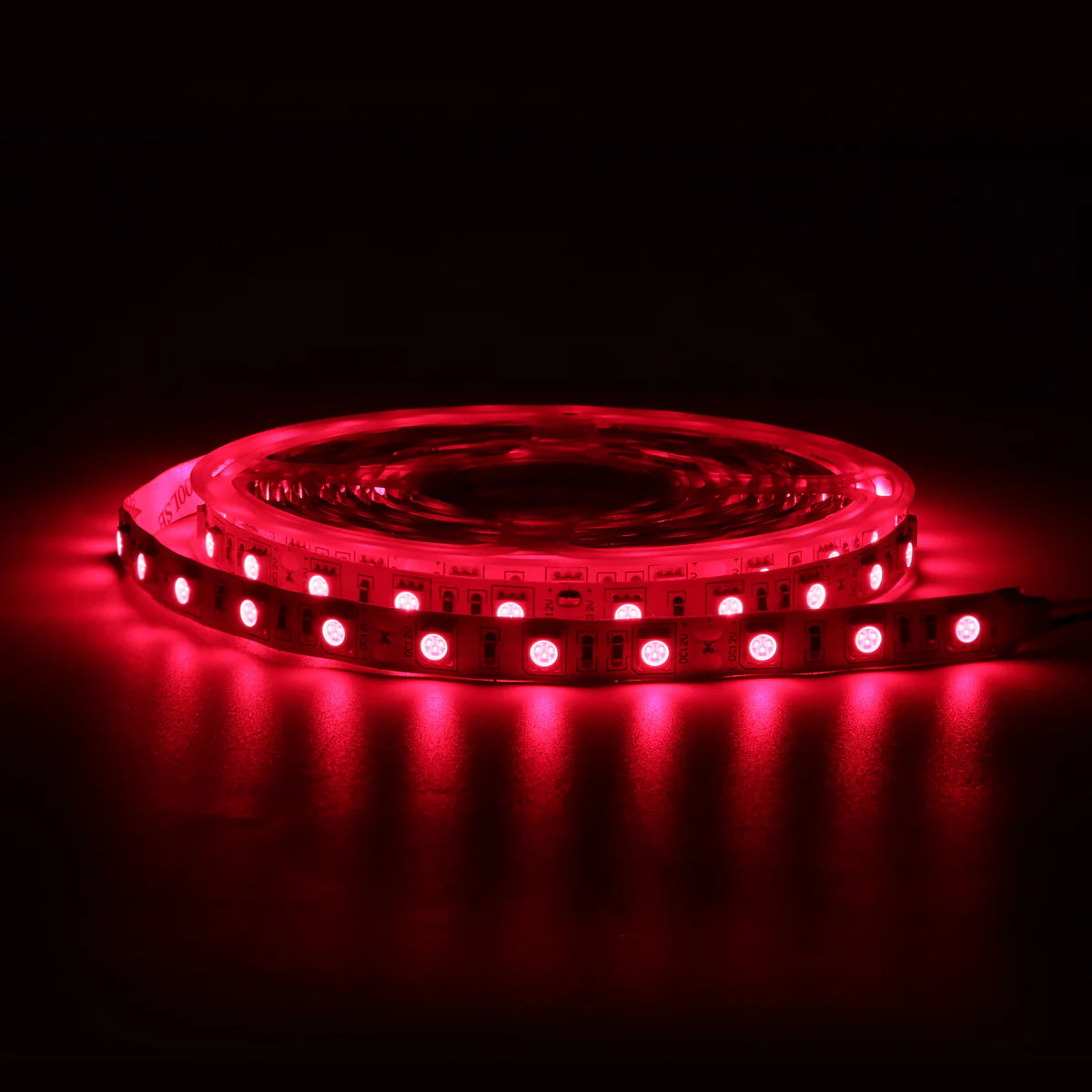
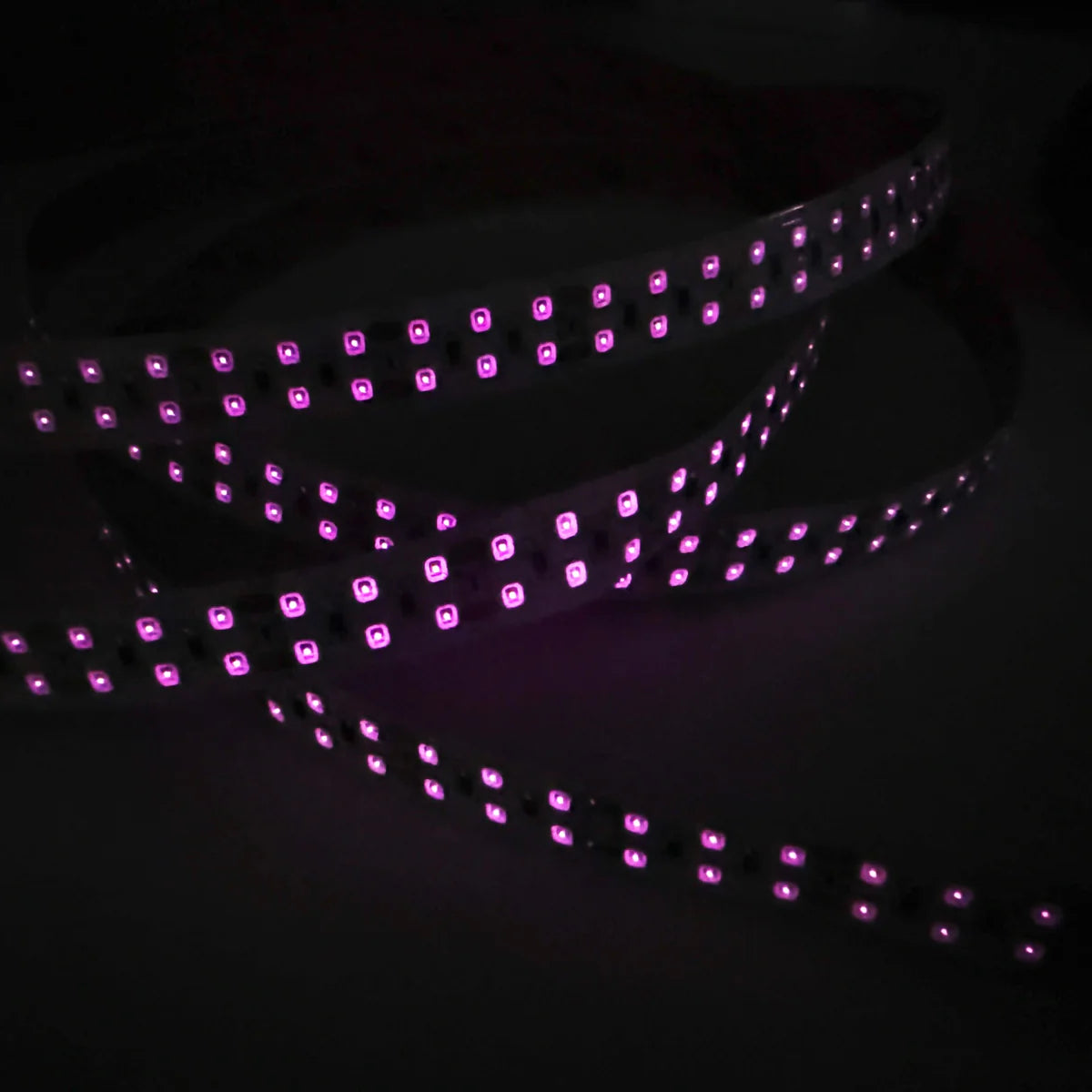
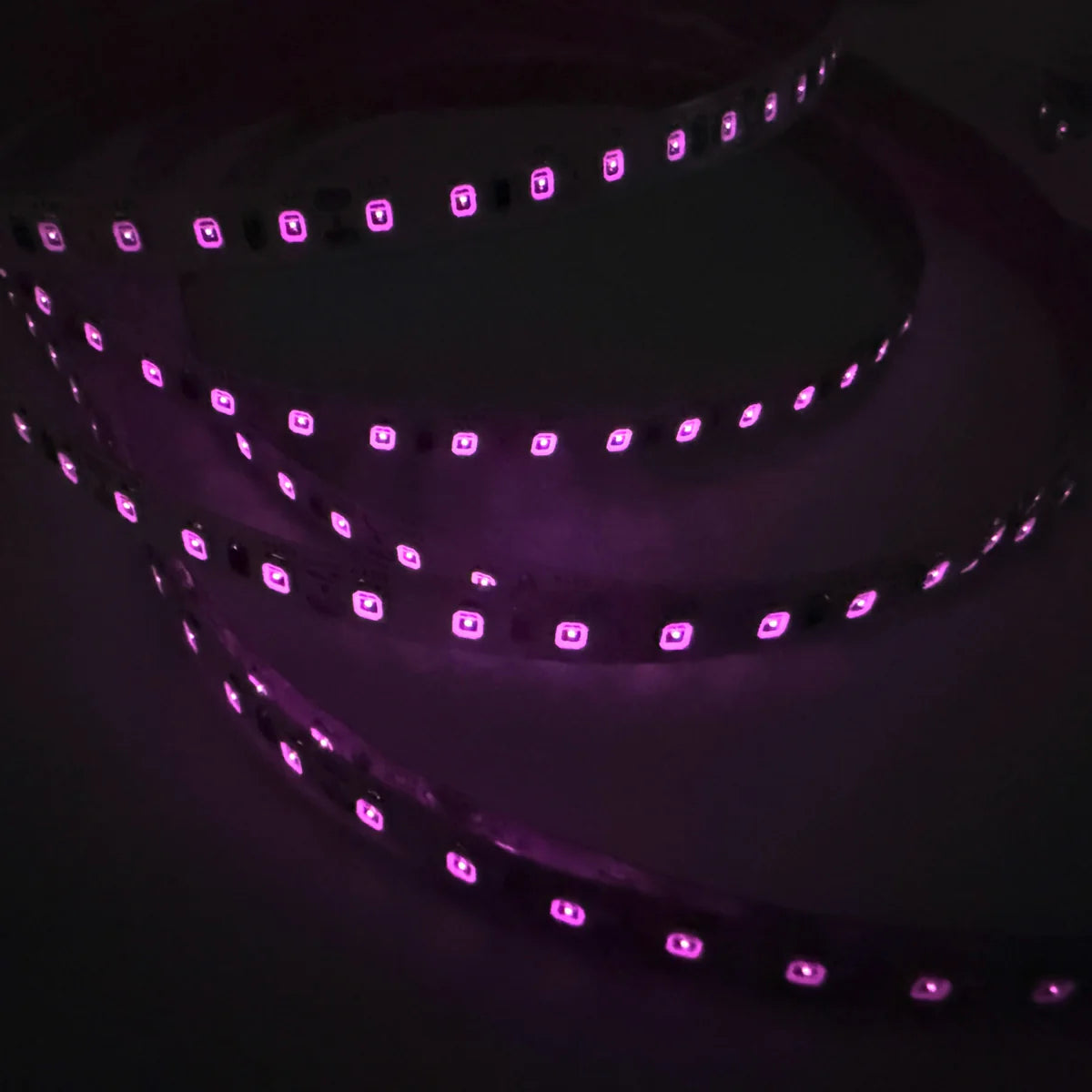
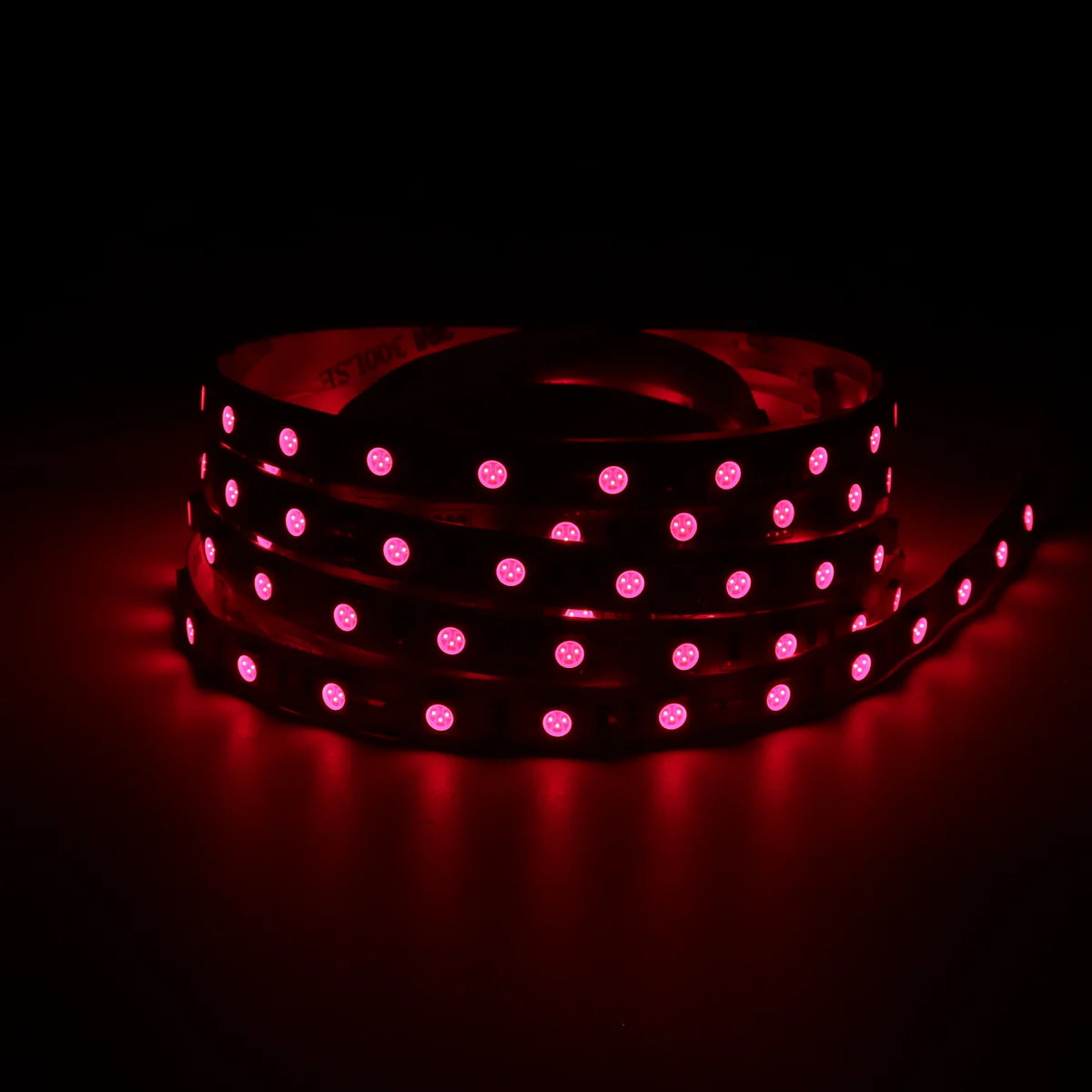
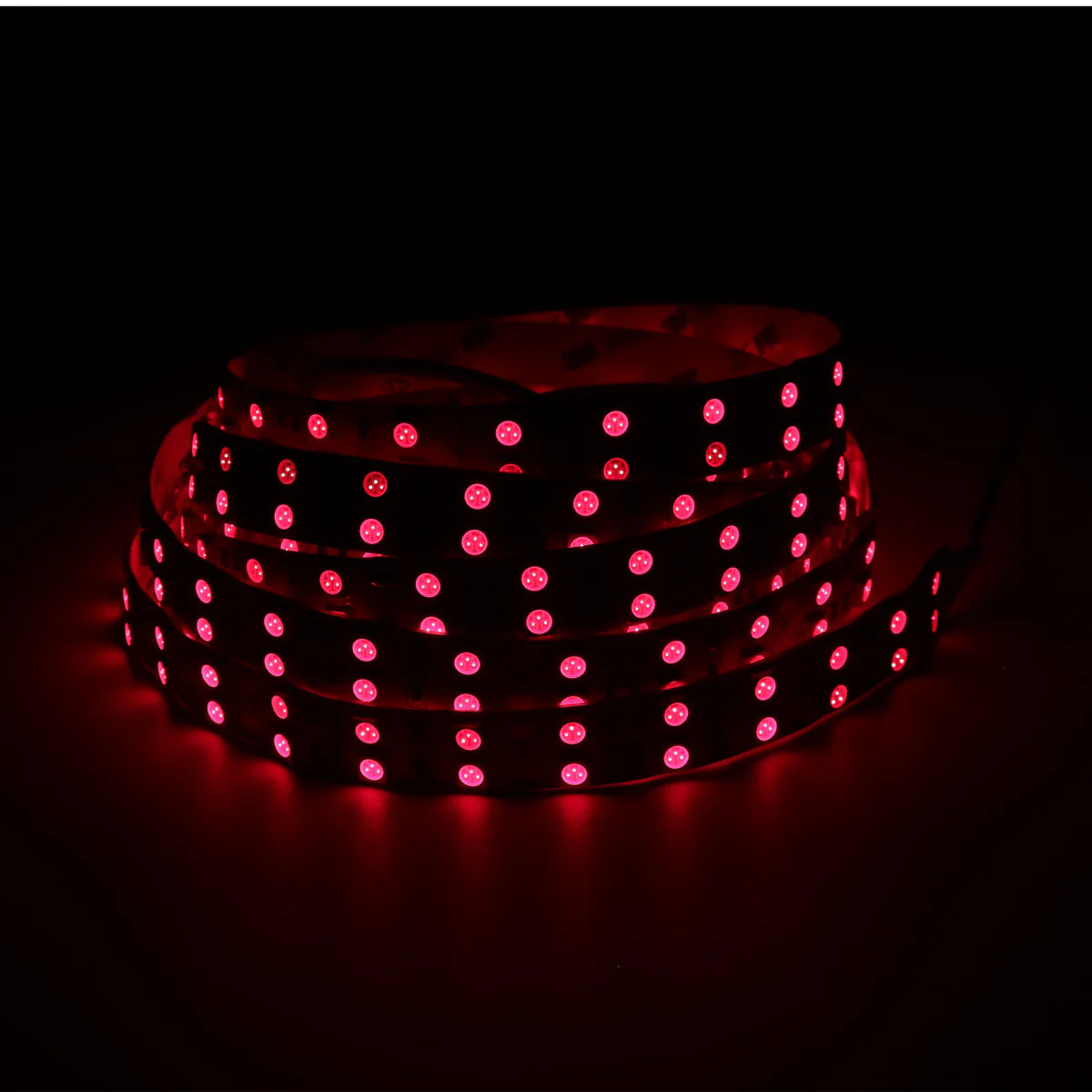
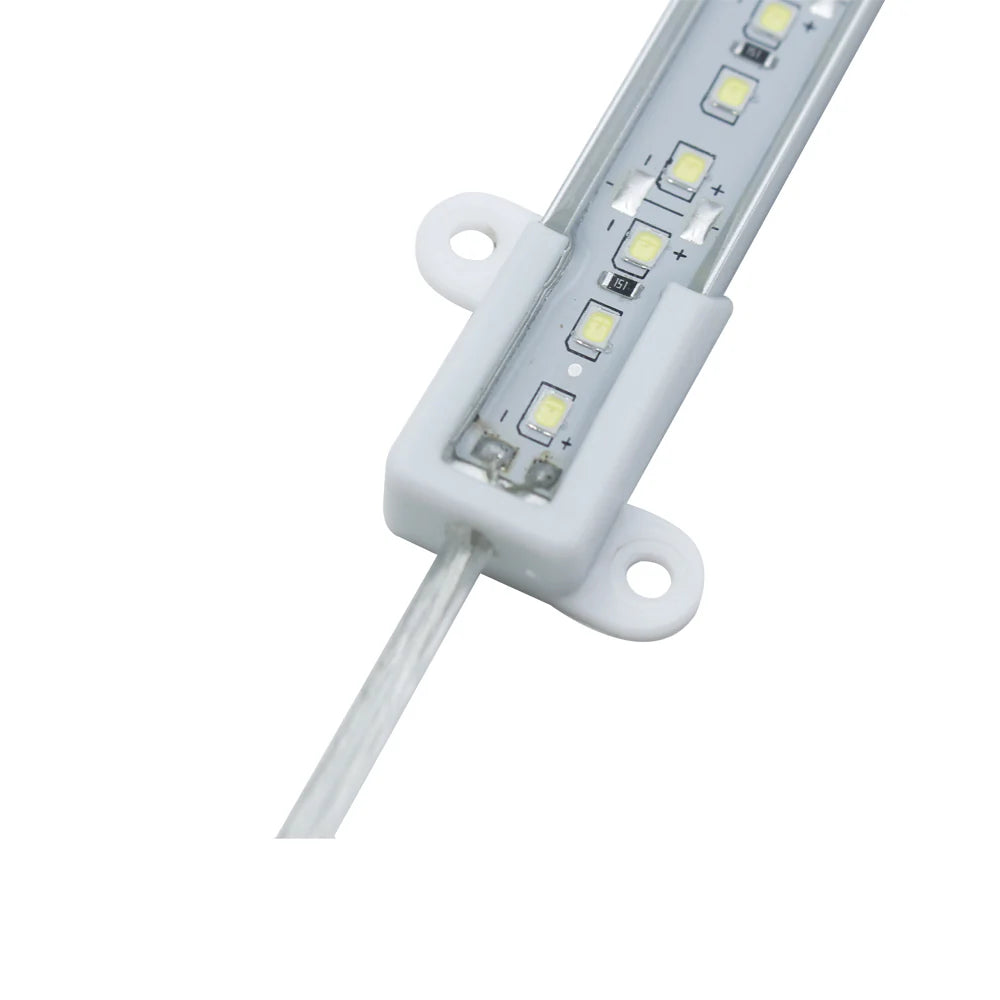
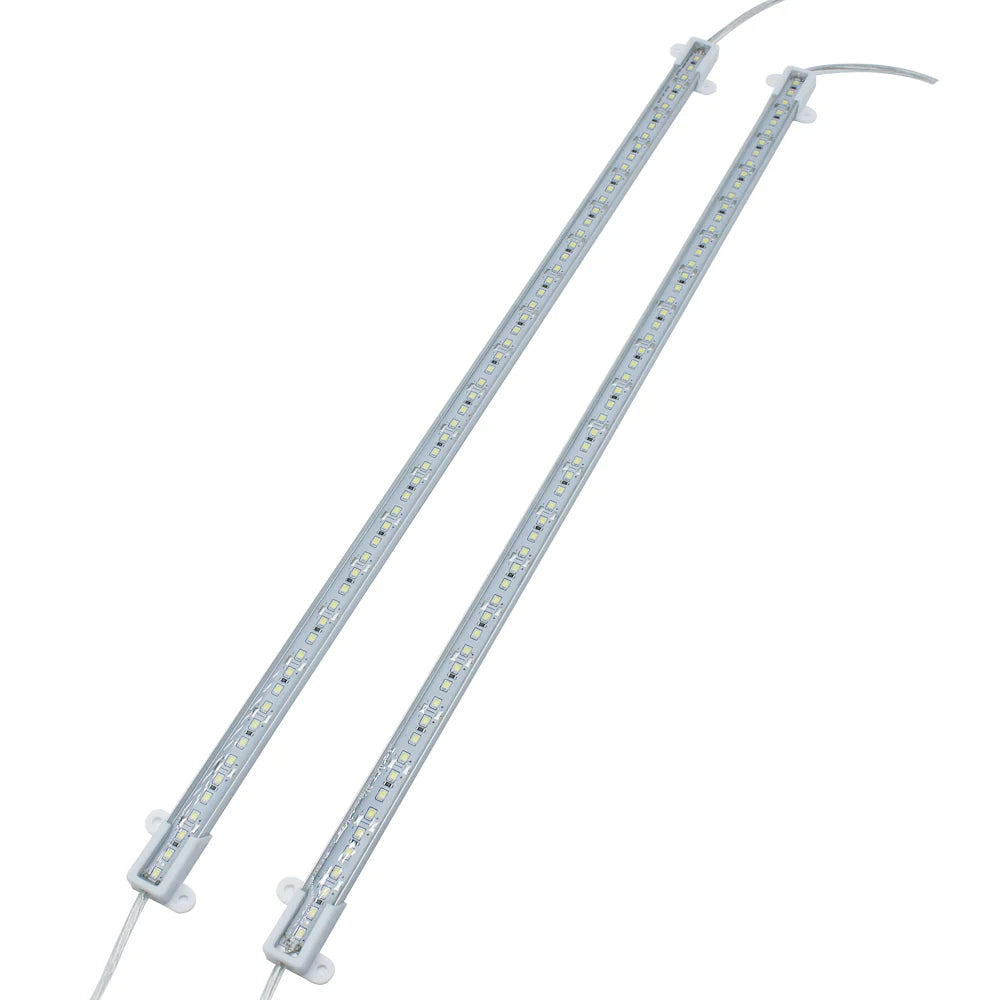
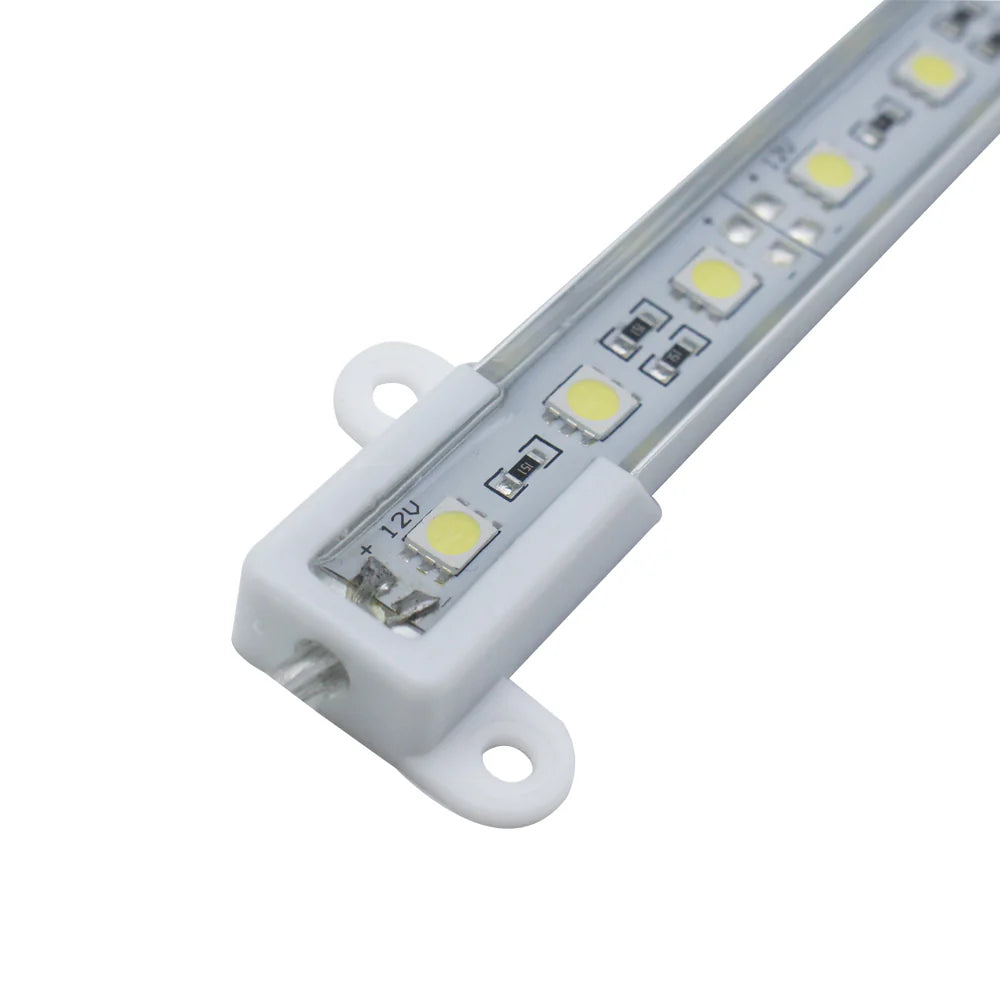
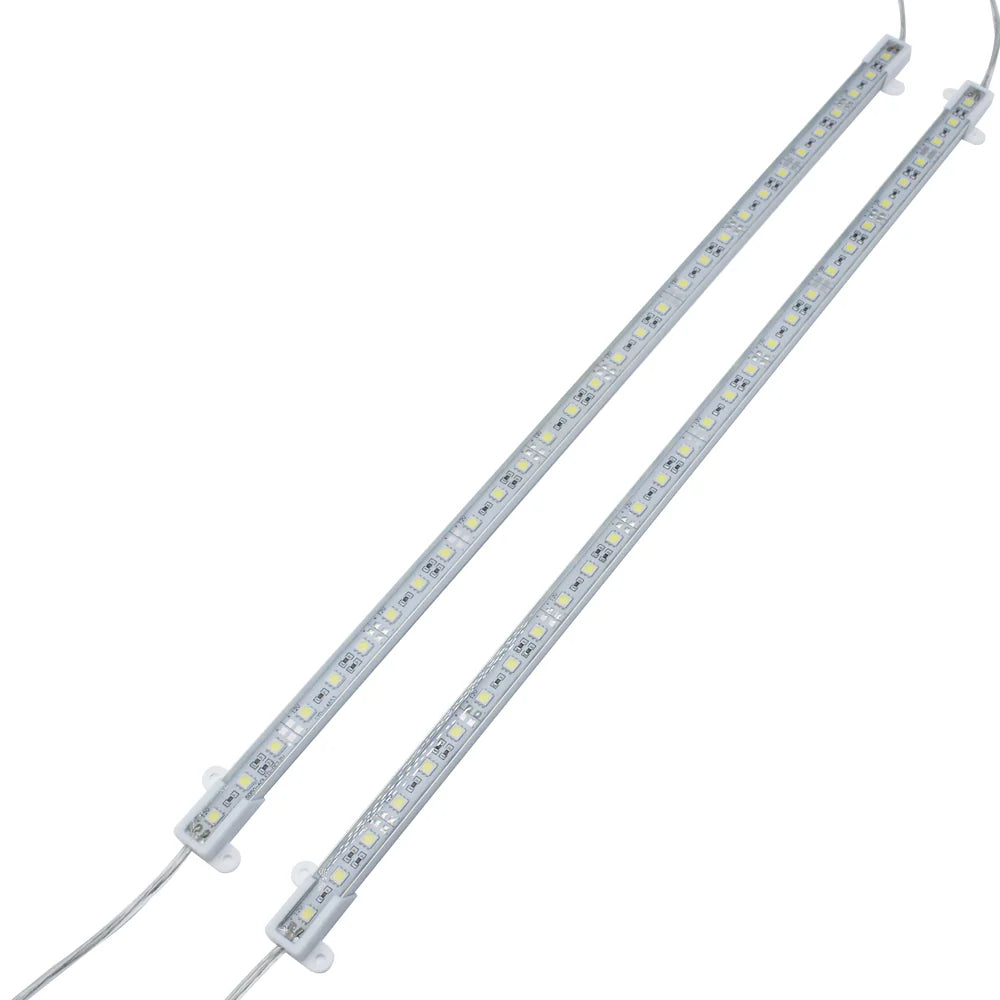
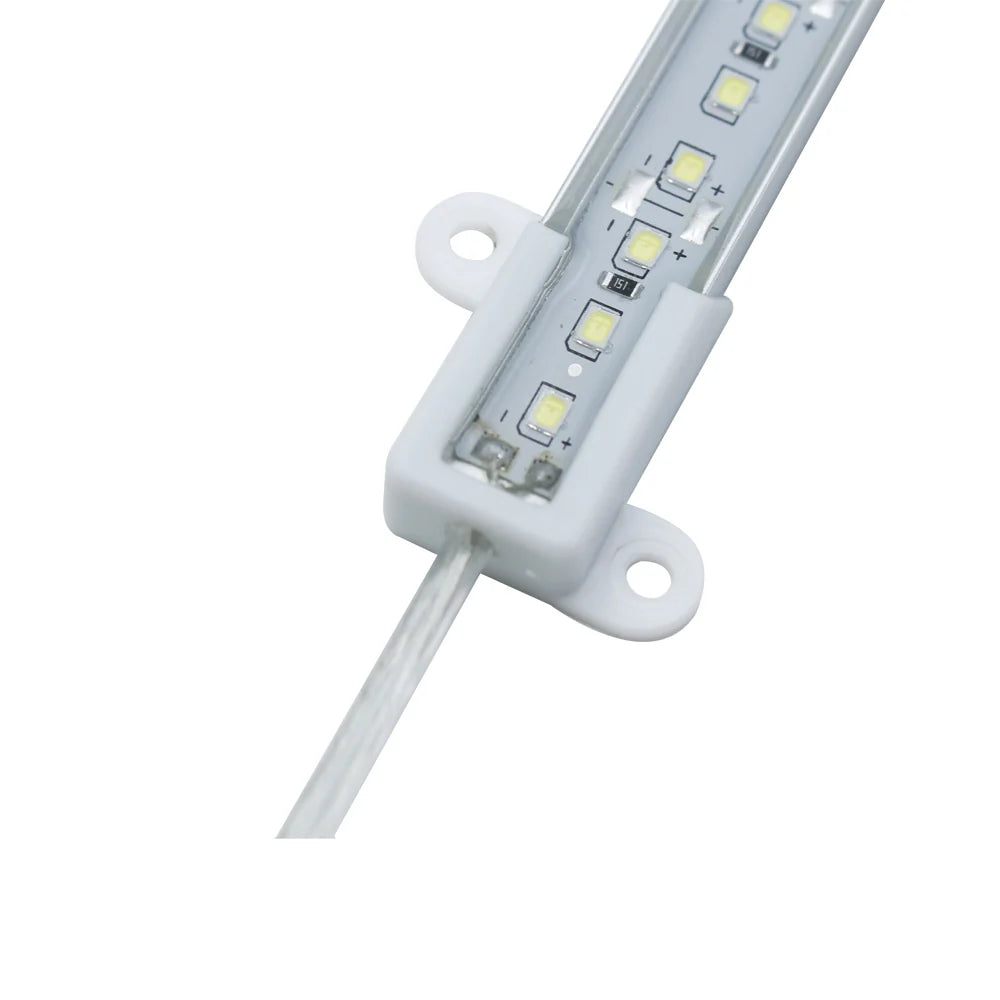
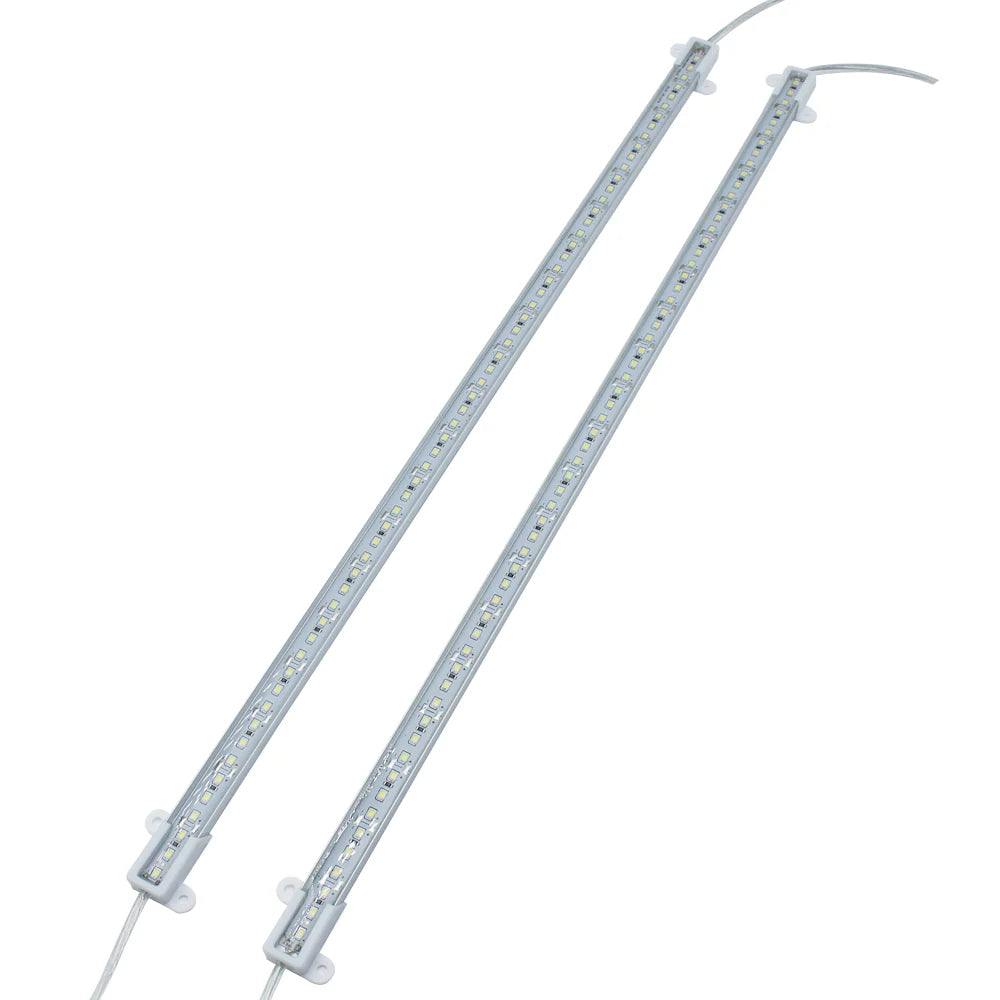
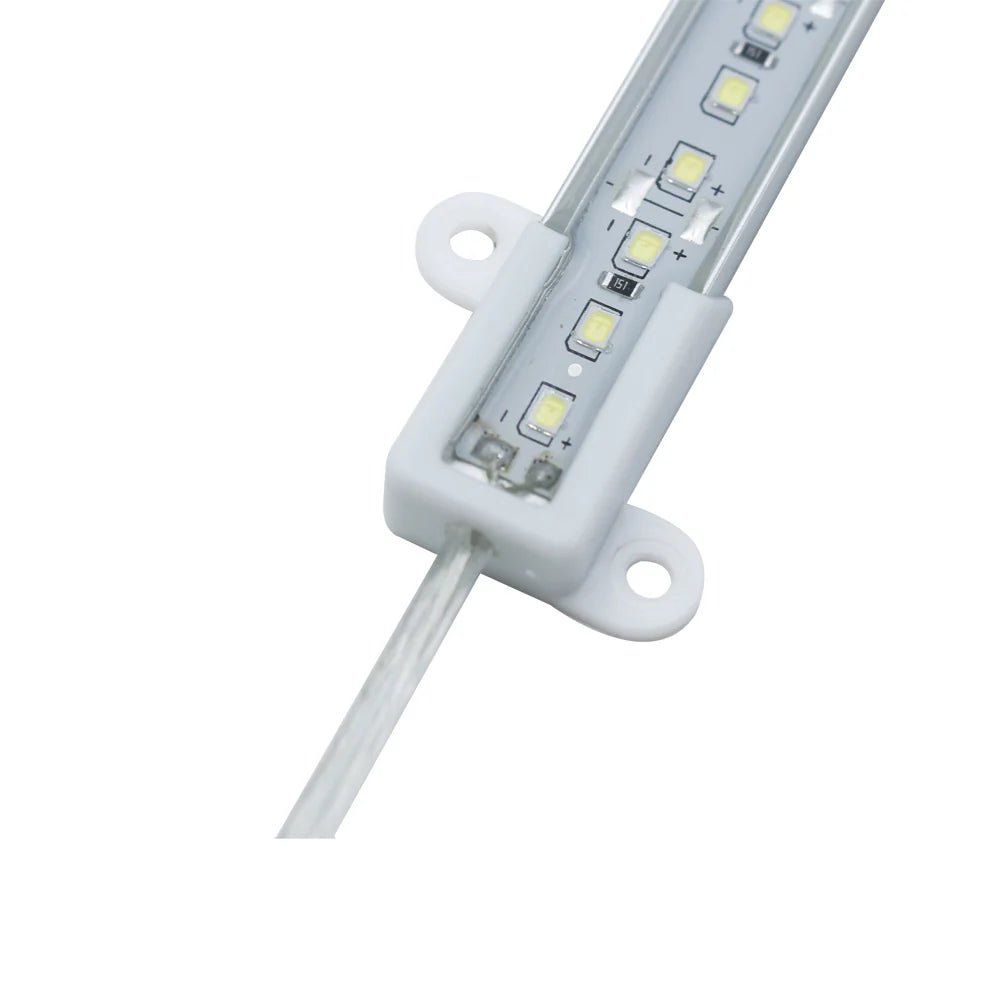
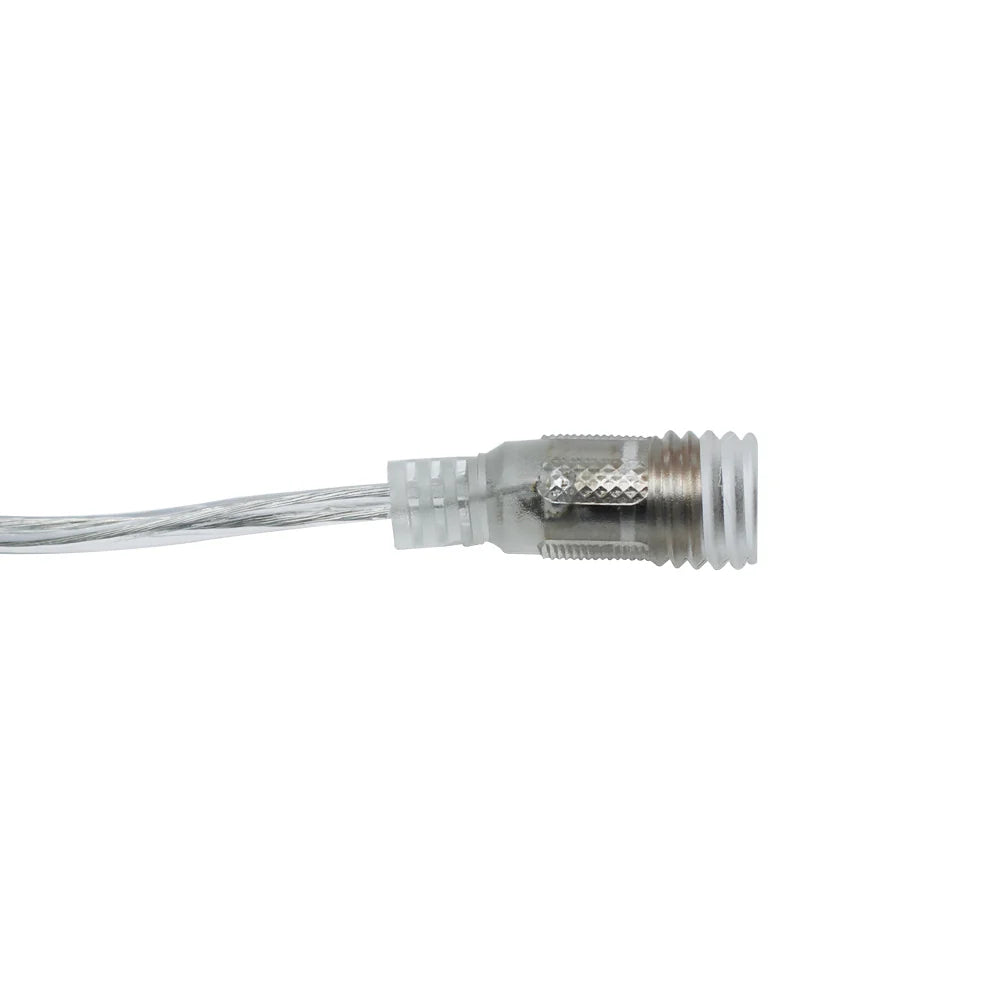
See It in Action
Real unboxings, product demos, and customer videos for a closer look before you buy.
Shipping & Delivery
Most in-stock orders ship from our warehouse within 3–5 business days.
LED Strip Configuration Table
Compare chip types, LED densities, power consumption, PCB widths and layouts to choose the right LED strip configuration for your project.
| Chip Type | LED Density | Typical Power Consumption | PCB Width | LED Layout |
|---|---|---|---|---|
| SMD2835 | 60 LEDs/m | <6W/m | 8mm | Single Row |
| SMD2835 | 120 LEDs/m | <10W/m | 8mm | Single Row |
| SMD2835 | 240 LEDs/m | <16W/m | 15mm | Dual Row |
| SMD5050 | 30 LEDs/m | <6W/m | 10mm | Single Row |
| SMD5050 | 60 LEDs/m | <12W/m | 10mm | Single Row |
| SMD5050 | 120 LEDs/m | <18W/m | 15mm | Dual Row |
Scroll to view all LED strip configurations
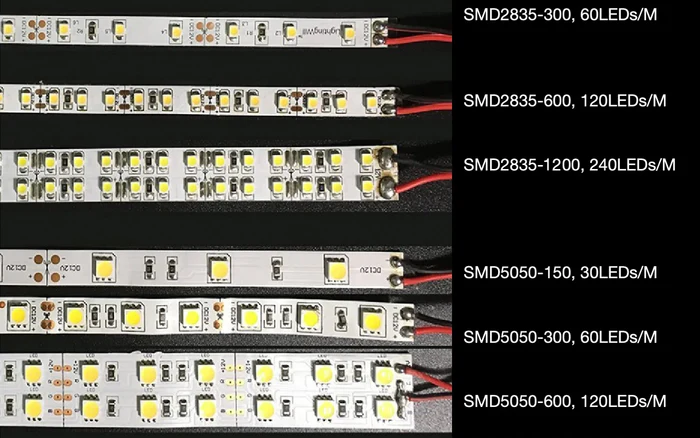
Visual Comparison of SMD2835 vs SMD5050 LED Strips
See how different chip types and densities affect the structure and brightness of LED strips.
From single-chip SMD2835 to triple-chip SMD5050, and from 30 to 240 LEDs per meter,
this visual comparison helps you understand the differences in LED layout,
projection angle, and power configuration.
1
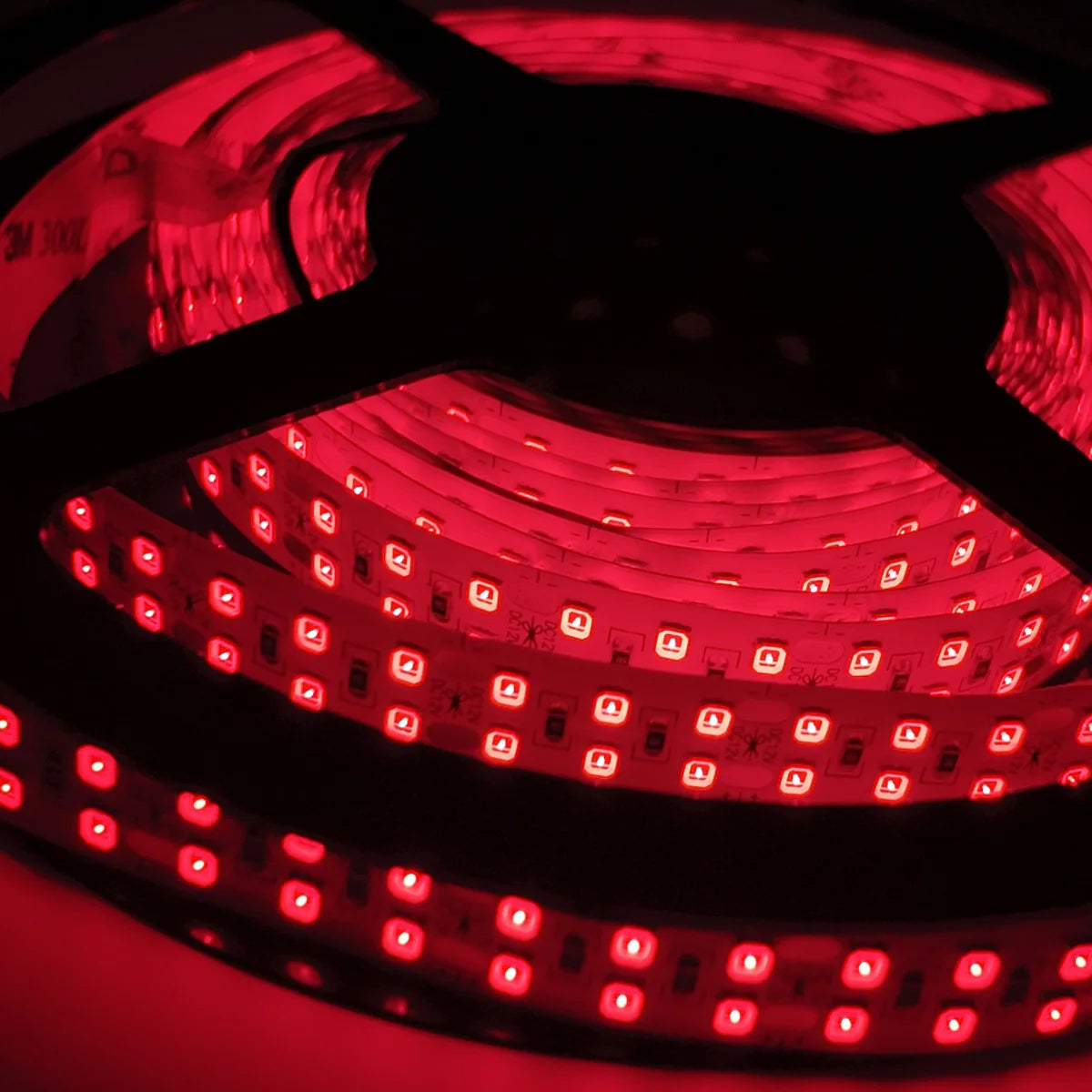
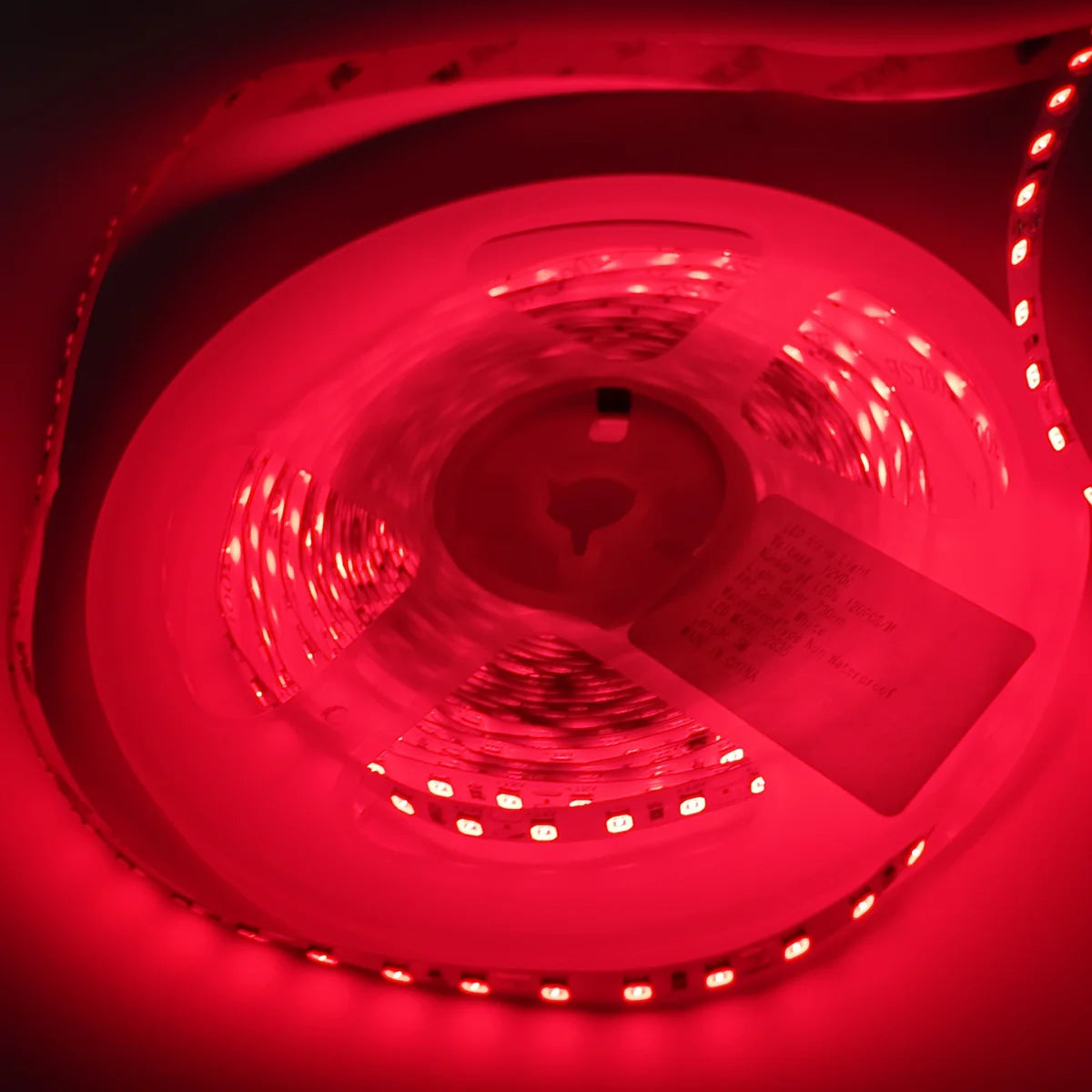
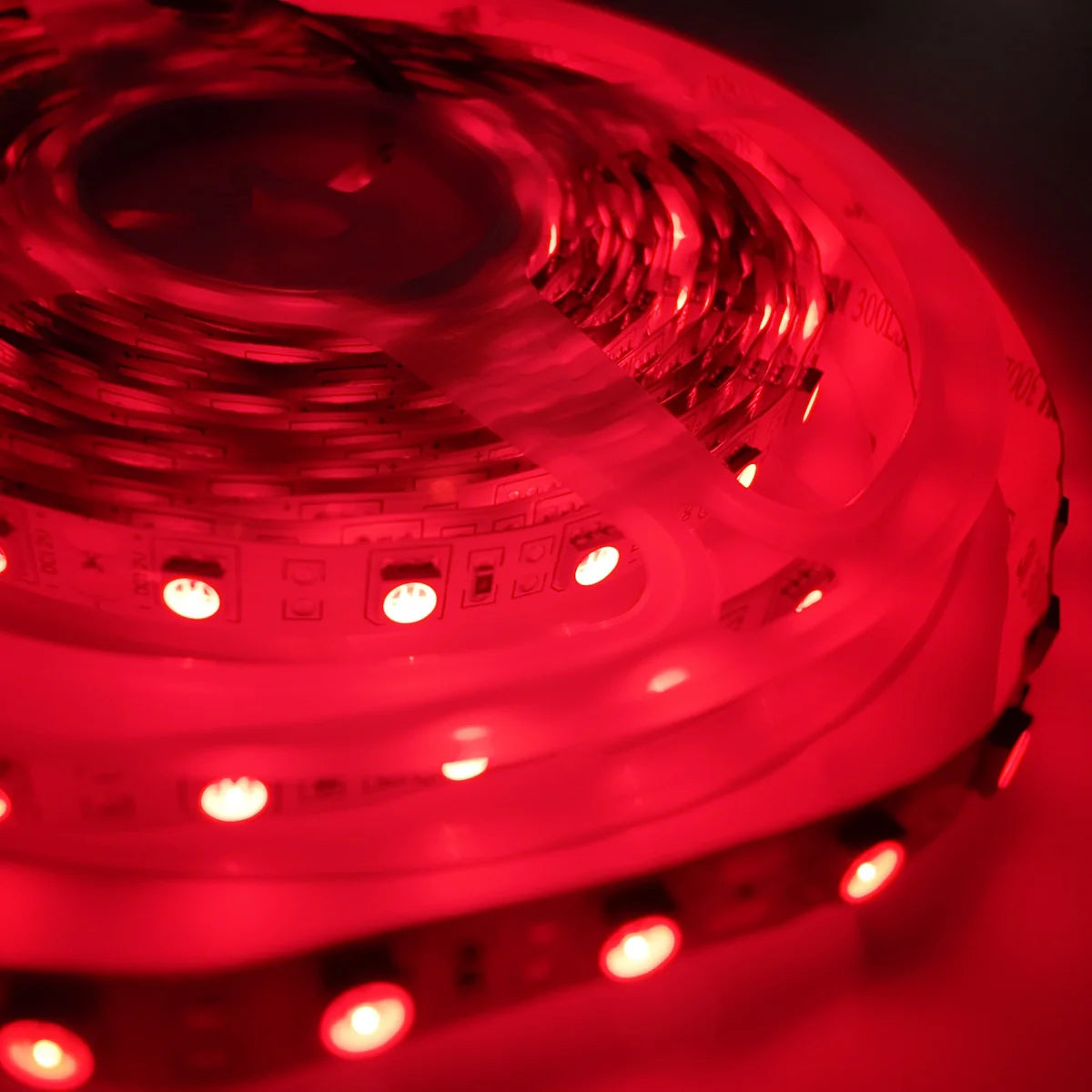
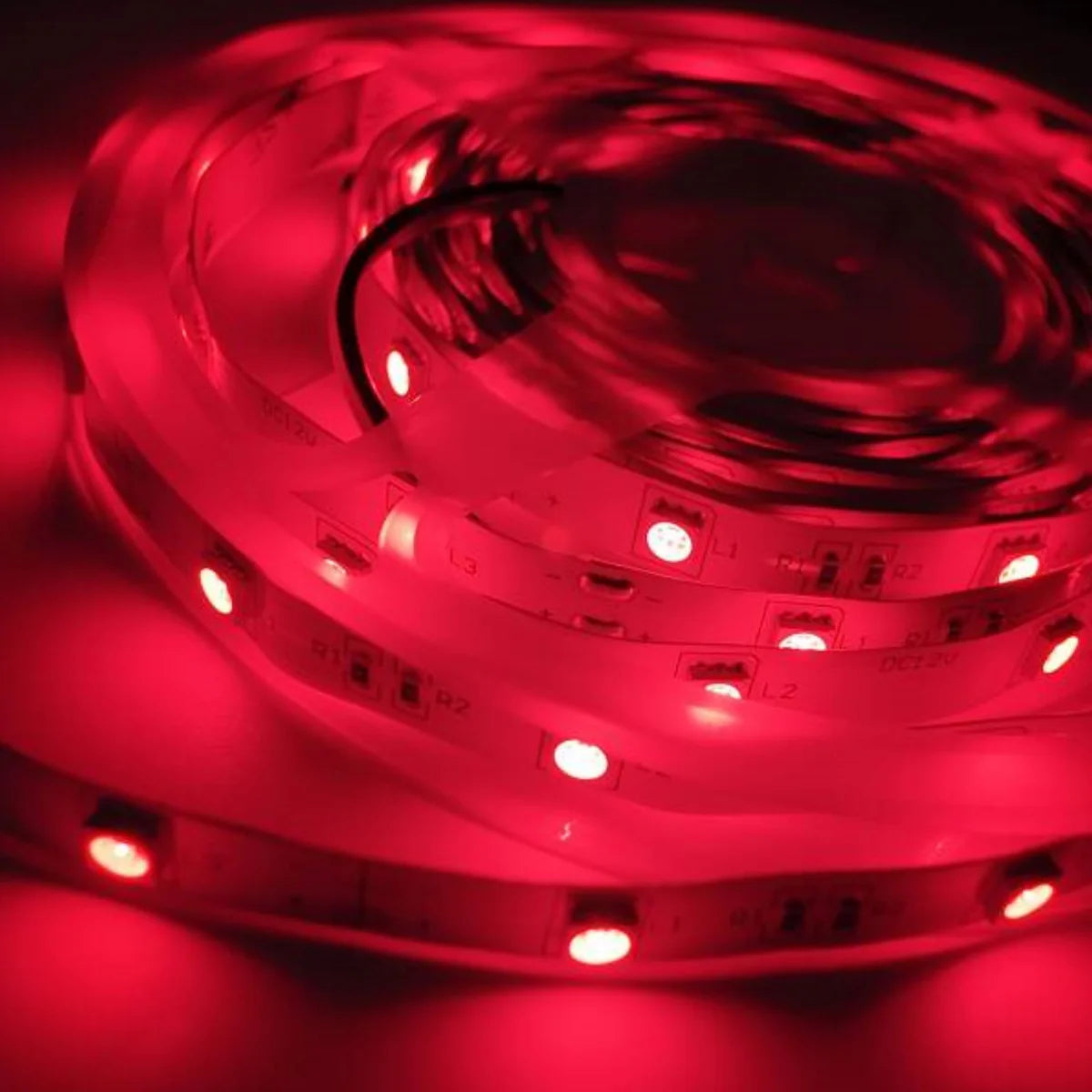
Made with various LED component types (SMD5050 and SMD2835 IR LEDs), providing different options in color, wattage, and light density.
2
With great flexibility, infrared LED light tape is suitable for demanding installation conditions.
3
Supplied with a self-adhesive back, these IR LED light strips are easy to install.
For Red Light Therapy or Near-Infrared Light Therapy
Red light falls into the visible part of the light spectrum between 630–700 nm on the electromagnetic scale and is used to treat the surface of the skin. Near-infrared wavelengths fall into the invisible part of the light spectrum between 700 and 1200 nm.
Near-infrared light, with wavelengths between 700–1400 nm, generates the most heat but does not penetrate deep into human tissues. In addition, the 760–895 nm range of infrared light can stimulate the mitochondria function, which can increase metabolism, improve tissue repair, and reduce inflammation.
For Night Vision
Active near-infrared illumination allows people or animals to be observed without the observer being detected. Flexible infrared LED strips produce invisible infrared light. When an IR strip is used with a compatible night-vision camera without an IR filter, the infrared illumination can support nighttime imaging.
These LED light strips are suitable for surveillance or security, multi-touch displays, imaging, sensing, and night-vision lighting applications.
Infrared Applications
Application of Infrared LED Beads in Infrared Therapy Lamps
Infrared LED beads are widely used in infrared therapy lamps due to their non-invasive nature, safety, and portability. These lamps utilize specific infrared wavelengths to penetrate tissues, promoting blood circulation, pain relief, and anti-inflammatory effects. Below are the common wavelength combinations, product types, and their applications.

Section 01 Common Wavelength Combinations and Their Effects
Infrared therapy typically utilizes near-infrared (NIR), mid-infrared (MIR), and far-infrared (FIR). The most commonly used wavelengths include:
Near-Infrared (700nm–1400nm)
- Common wavelengths: 850nm 810nm 940nm
- Characteristics: Deep penetration (5–10 mm), directly affects muscles and nerves, enhances cell repair and ATP production.
- Applications: Deep tissue repair, arthritis, muscle pain.
Far-Infrared (1400nm–3000nm)
- Common wavelengths: 1550nm 2000nm
- Characteristics: Absorbed by water molecules, producing a thermal effect that improves blood circulation and metabolism.
- Applications: Chronic pain, rheumatism, skin inflammation.
Section 02 Main Product Types
(1) Portable Therapy Devices

Infrared LED braces
(e.g., waist belts, knee pads, wristbands)
- Equipped with 850nm / 940nm LED arrays for localized pain relief.
- Advantages: Lightweight, wearable, suitable for home use.

Handheld therapy devices
- Small, focused devices (e.g., 810nm for joint or acupoint therapy).
(2) Fixed Therapy Lamps

Panel-type infrared lamps
- Large LED arrays often combining 850nm and 940nm for back or full-body therapy.
- Example: Medical-grade red light therapy panels often paired with 660nm red light for enhanced effects.
Desk / floor lamps
- Far-infrared ceramic or LED sources (e.g., 1550nm) for gentle heat therapy.
(3) Multi-Wavelength Combination Devices

Red + Infrared combo therapy
- E.g., 660nm (red) + 850nm (infrared) for skin repair and deep anti-inflammation (acne treatment).
Infrared + Thermal therapy
- Far-infrared LEDs combined with heating elements (e.g., carbon fiber) for enhanced warmth.
Section 03 Wavelength Ratio Configurations
Different wavelength combinations are optimized for specific therapeutic effects:
(1) Single-Wavelength Dominant
-
850nm (NIR)
- Best for deep muscle / joint pain (e.g., arthritis).
(2) Dual-Wavelength Synergy
-
660nm (red)
+
850nm (NIR)
- Ratio: 1:1 or 2:1 (more red light for skin repair).
- Used in acne treatment + pain relief devices.
Dual NIR Combination
-
810nm
+
940nm
(dual NIR)
- Ratio: 3:2 (more 810nm for nerve repair).
- Used in neuropathic pain devices.
(3) Triple-Wavelength Combination
-
630nm (red)
+
810nm
+
940nm
- Ratio: 3:4:3 (balanced for skin, blood flow, and muscles).
- Used in full-body recovery panels.
-
850nm
+
1070nm
+
1550nm
- Ratio: 5:3:2 (deep healing + metabolic boost).
Section 04 Key Considerations
- Penetration depth: NIR (850nm) for deep tissue, FIR (1550nm) for thermal effects.
Questions, projects & expert answers
Explore real customer questions, application ideas and answers from our team.
Featured discussion · Buying guide
850nm or 940nm for a security camera — which one should I use?
Choosing IR illumination for night vision
Answered by LightingWill
Customer question
My 940nm strip looks like it isn’t on — is that normal?
Why invisible IR can be confusing at first
Buying guide

June 14, 2025
Answered by LightingWill
SMD2835 or SMD5050 for an IR camera project?
Choosing the LED package for your setup

June 14, 2025
Application case
Adding 730nm strips to an existing grow-light setup
A separate far-red channel for a grow shelf
Official answer
Which IR LED strip wavelength should you choose?
A quick guide from visible red to invisible infrared
No discussions in this category yet.
Buying guide

Lighting specialist
850nm or 940nm for a security camera — which one should I use?
I’m adding some extra IR lighting around a security camera at the side of my garage.The camera already has night vision, but the far end of the driveway is pretty dark. I’m trying to decide between the 850nm and 940nm strips.I understand that both are infrared, but is there a practical reason to choose one over the other for a normal home security setup?
Answered by LightingWill

Lighting specialist
Both wavelengths are commonly used with compatible IR-sensitive cameras, but they suit slightly different priorities.850nm is a common choice for night-vision and CCTV applications where stronger IR illumination is the main goal.940nm is designed for applications where you want the source to be less visually noticeable and is commonly used for no-glow night vision, wildlife cameras and covert IR illumination.Before ordering, make sure your camera sensor is actually sensitive to the wavelength you choose, since camera response can vary by model.
Customer question
Lighting specialist
My 940nm strip looks like it isn’t on — is that normal?
I just wired up a short section of the 940nm strip for a camera project.Voltage looks correct and nothing is getting unusually hot, but when I turn it on I basically can’t see any light coming from the LEDs.I know infrared is supposed to be invisible, but I wasn’t expecting it to look completely off. Is there an easy way to confirm the strip is actually running?
Installation was easy too. The strip stayed in place and I could remove it again without much trouble.
Honestly, I may end up using it for a project at home now.
Answered by LightingWill
Lighting specialist
Yes, that can be completely normal for a 940nm infrared strip.940nm output is outside the visible range of human vision, so you should not expect it to look like a normal red LED strip.The best way to verify operation is with equipment designed to detect the wavelength, such as a compatible IR-sensitive camera or measuring instrument.Avoid staring closely at the LEDs simply because they appear dark — invisible output can still be present.

Buying guide
June 14, 2025
Lighting specialist
SMD2835 or SMD5050 for an IR camera project?
June 14, 2025
I’m putting together a small IR illumination rig for a camera and noticed the same wavelength is available with both 2835 and 5050 LEDs.I’m not trying to light a huge area, but I do want fairly even coverage at close range.Is 5050 automatically the better option because the LEDs are larger?
Answered by LightingWill
Lighting specialist
Not necessarily.The two packages are useful for different types of installations.SMD2835 uses a single-chip design and is a good option when you want more closely spaced LEDs and relatively even surface illumination.SMD5050 uses three chips per LED package and is intended for higher-output applications where stronger projection is more important.For short-range and even coverage, 2835 can make sense. For greater radiant intensity or longer-range illumination, consider 5050.
Application case
Lighting specialist
Adding 730nm strips to an existing grow-light setup
I already have the main grow lights installed over a couple of indoor plant shelves, but I wanted to experiment with adding a separate far-red channel instead of replacing the whole fixture.The 730–735nm strips caught my attention because I could mount them along the existing frame and control them separately.Would the flexible strip be the better choice for this, or is there any advantage to using the 50cm rigid version?
Answered by LightingWill
Lighting specialist
Both formats use the same general wavelength range, but the installation style is different.The flexible 730–735nm strip is better suited to longer continuous runs or frames where you need more freedom in placement.The 50cm rigid strip is useful when you want a straight, fixed lighting section with a more structured installation.730–735nm is one of the wavelength options LightingWill offers specifically for supplemental horticultural and photoperiod-lighting systems.

Official answer
Which IR LED strip wavelength should you choose?
One of the most common questions with IR LED strips is why there are so many wavelength options that look almost identical when the strip is turned off.The wavelength should be selected based on the equipment and application rather than simply choosing the highest number.
Answered by LightingWill
A simple overview of the current LightingWill range:635nmVisible red. Useful where visible red illumination itself is required.660–670nmDeep visible red, including supplemental plant-lighting applications.730–735nmFar-red / low-visibility output used in selected horticultural and photoperiod projects.810nmNear-infrared output for specialized imaging, optical and research-oriented installations.850nmA widely used infrared wavelength for compatible CCTV, security cameras, machine vision and night-vision systems.940nmInvisible IR intended for compatible cameras, IR imaging, sensing and no-glow applications.The collection includes both flexible and rigid strips, non-waterproof and selected IP65 versions, plus different LED packages and densities.Before ordering, check four things:1: The wavelength required by your camera, sensor or application.2: Flexible vs rigid installation format.3: Indoor vs moisture-resistant installation.4: PCB width, LED density and 12V power requirements.
Lighting Stories & Guides
Product demos, buying guides, installation tips, and lighting inspiration for real projects.

IR LED Strips
LightingWill 940nm Invisible IR LED Strip Demo | 240 LEDs/m IP65 5M
Watch the LightingWill 940nm SMD2835 infrared LED strip light with 240 LEDs per meter. This high-density strip delivers strong invisible IR output for specialized applications....
Read & watch → IR LED Strips
LightingWill 850nm Infrared LED Strip Demo | 30 LEDs/m IP65 5M
Watch the LightingWill 850nm SMD5050 infrared LED strip light with 30 LEDs per meter. This version provides stable IR output for basic infrared lighting applications....
View story
 IR LED Strips
LightingWill 940nm Invisible IR LED Strip Demo | 120 LEDs/m IP65 5M
Watch the LightingWill 940nm SMD2835 infrared LED strip light with 120 LEDs per meter. This high-density strip delivers strong invisible IR output for specialized applications....
View story
 IR LED Strips
LightingWill 660–670nm Deep Red LED Strip Light Demo | 120 LEDs/m IP65 5M
Watch the LightingWill 660–670nm deep red LED strip light with 120 LEDs per meter. This version offers stable output and balanced brightness for various applications....
View story

JUST ARRIVED
New LED Aluminum Channels
Fresh Designs. Seamless Lighting.
Meet our latest LED aluminum channel additions, designed to bring a clean, modern finish to your lighting projects.
DISCOVER NOW
LIMITED-TIME OFFER
Special Series Savings
Great lighting, special pricing.
Discover this period's featured lighting offers.
Check the applicable products and promotion details before ordering.