

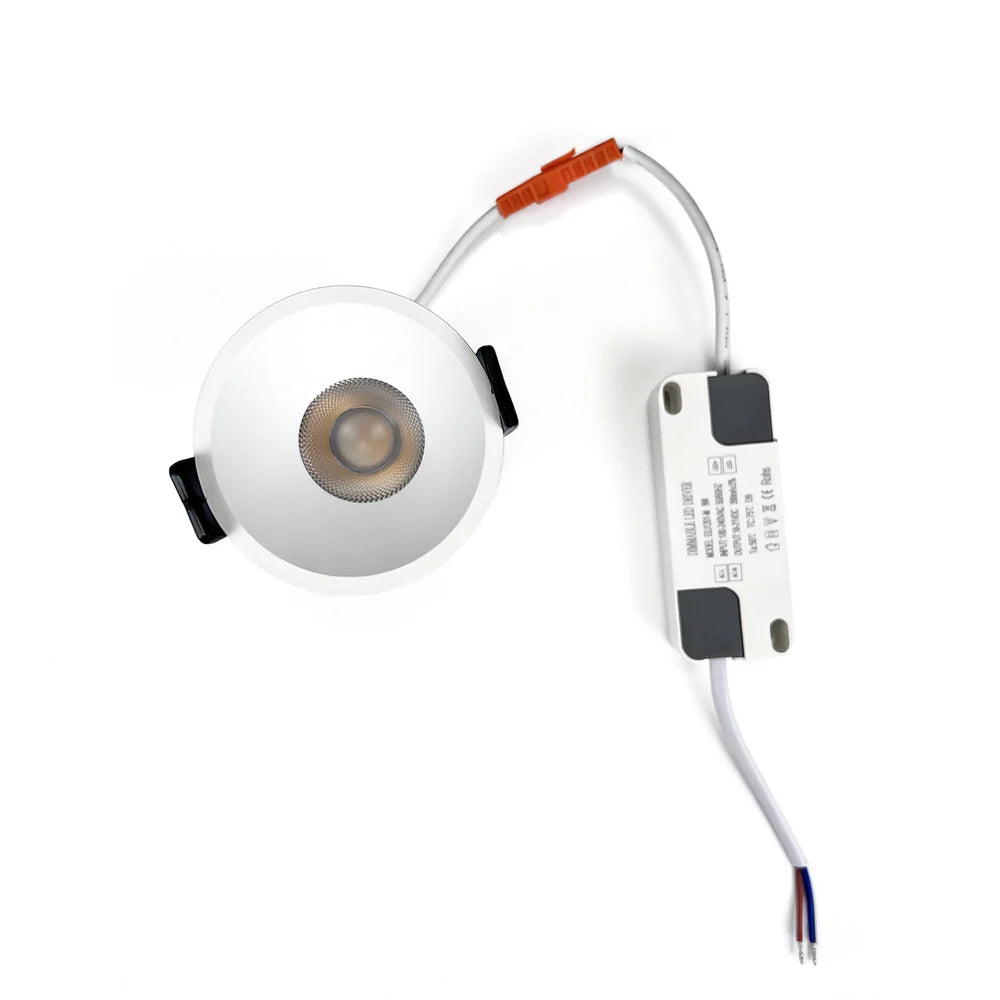
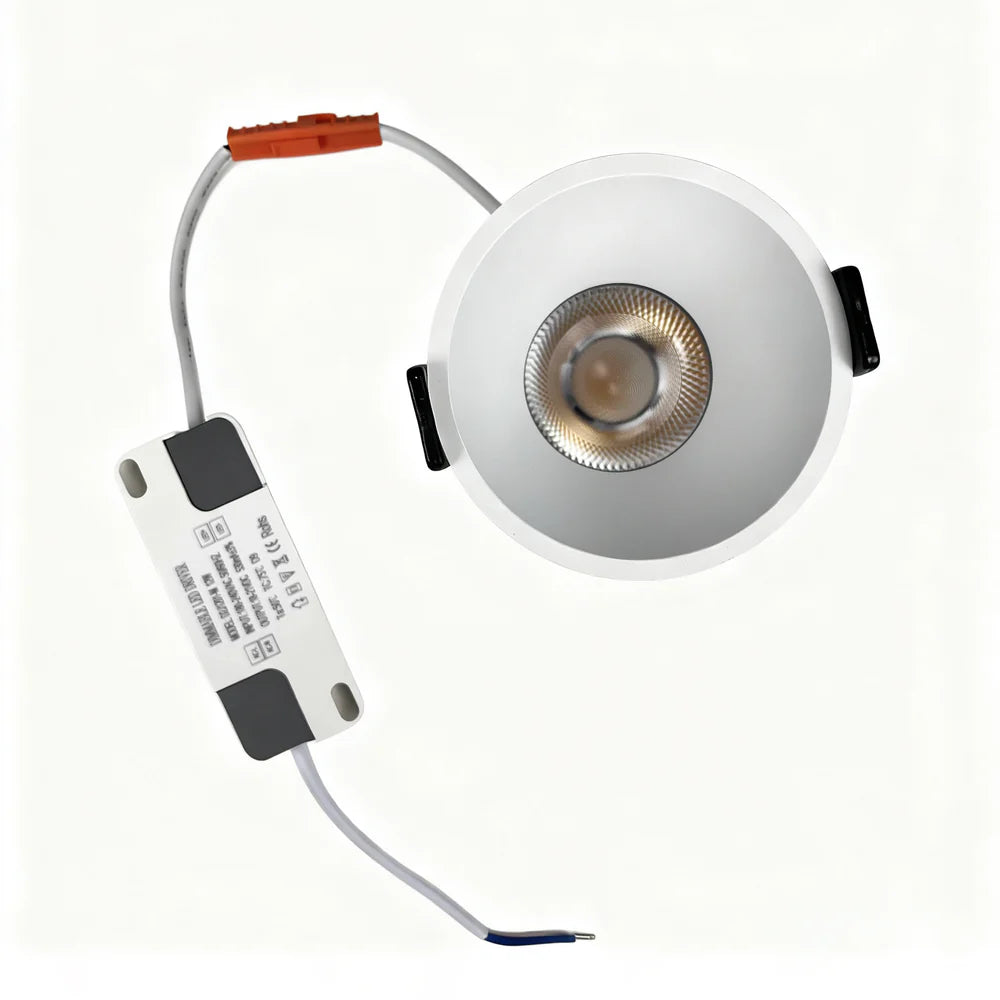
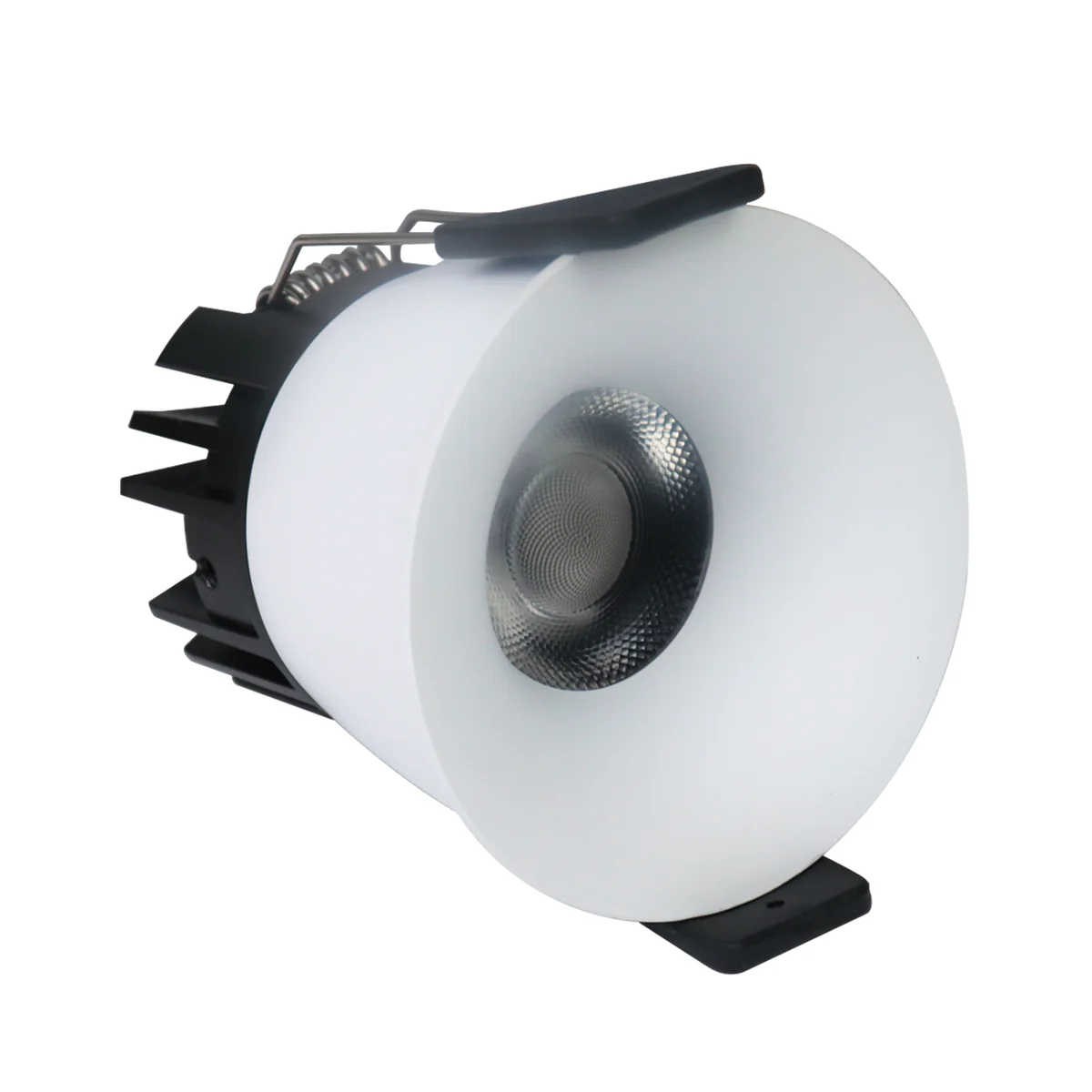
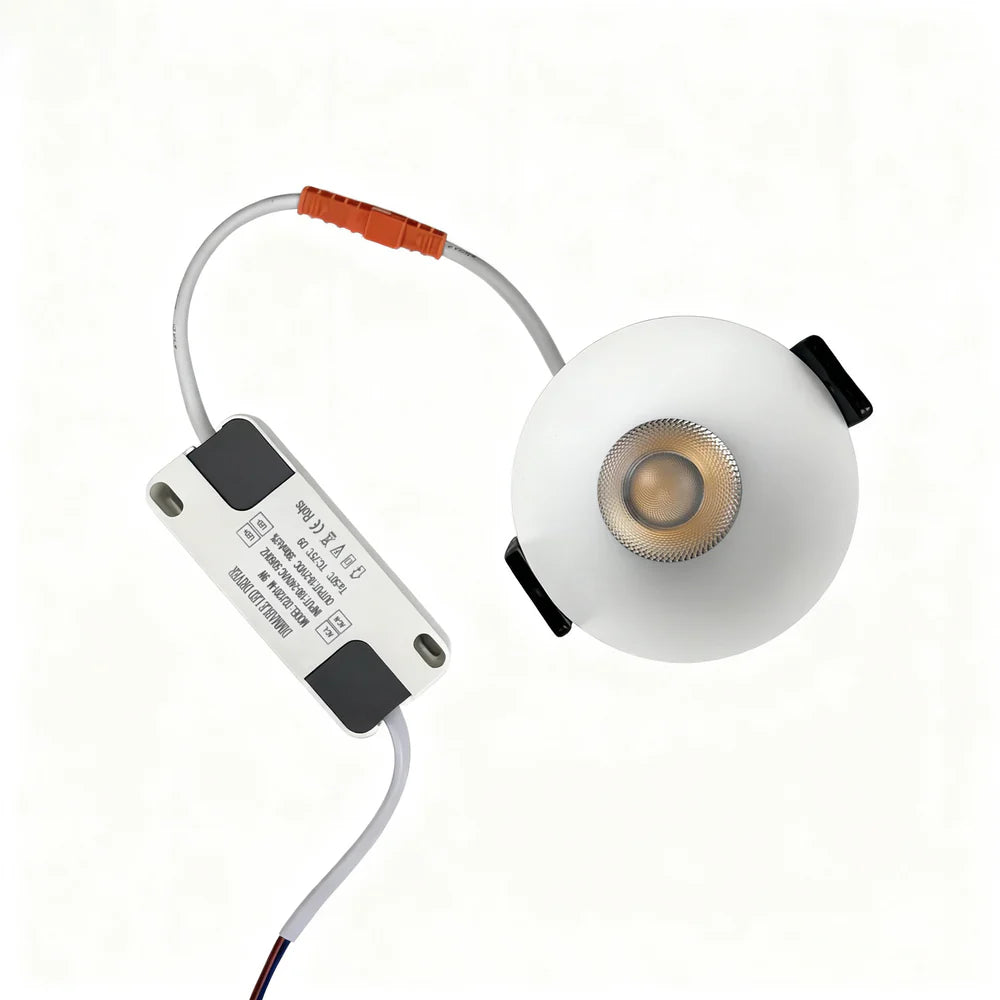
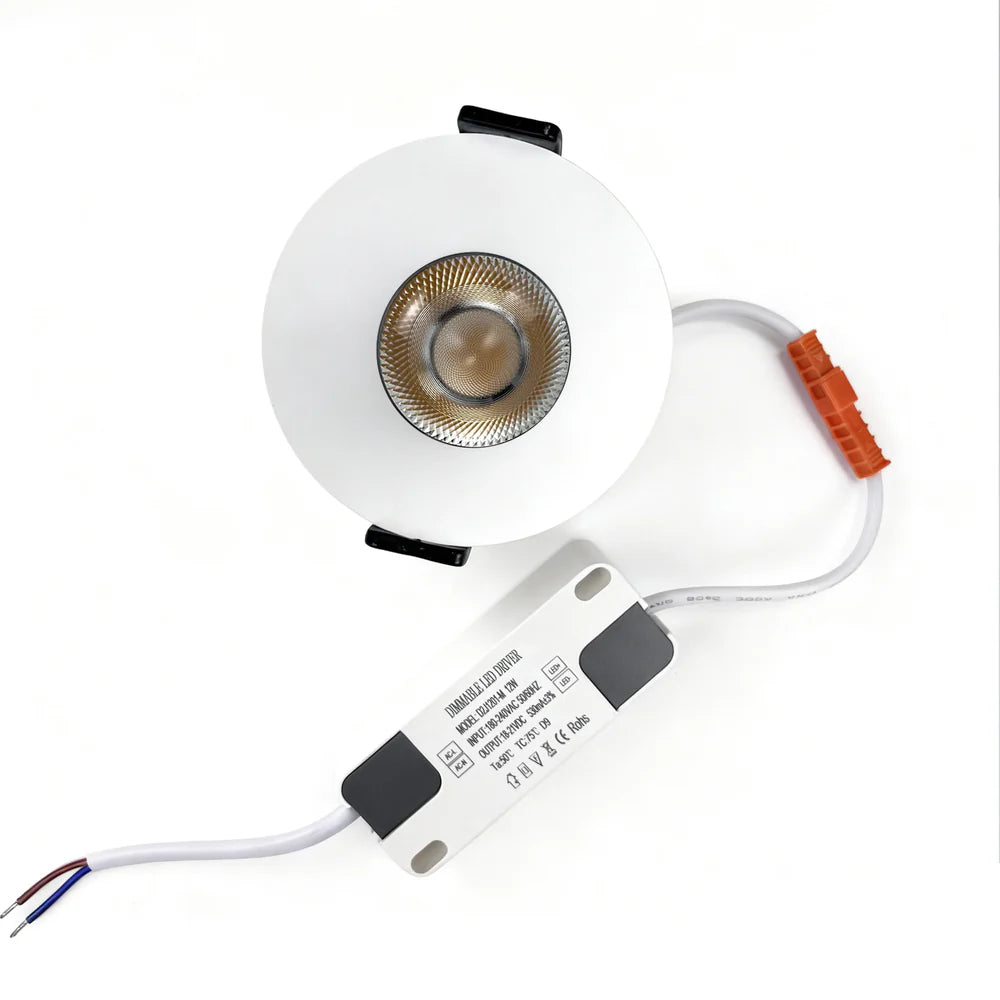
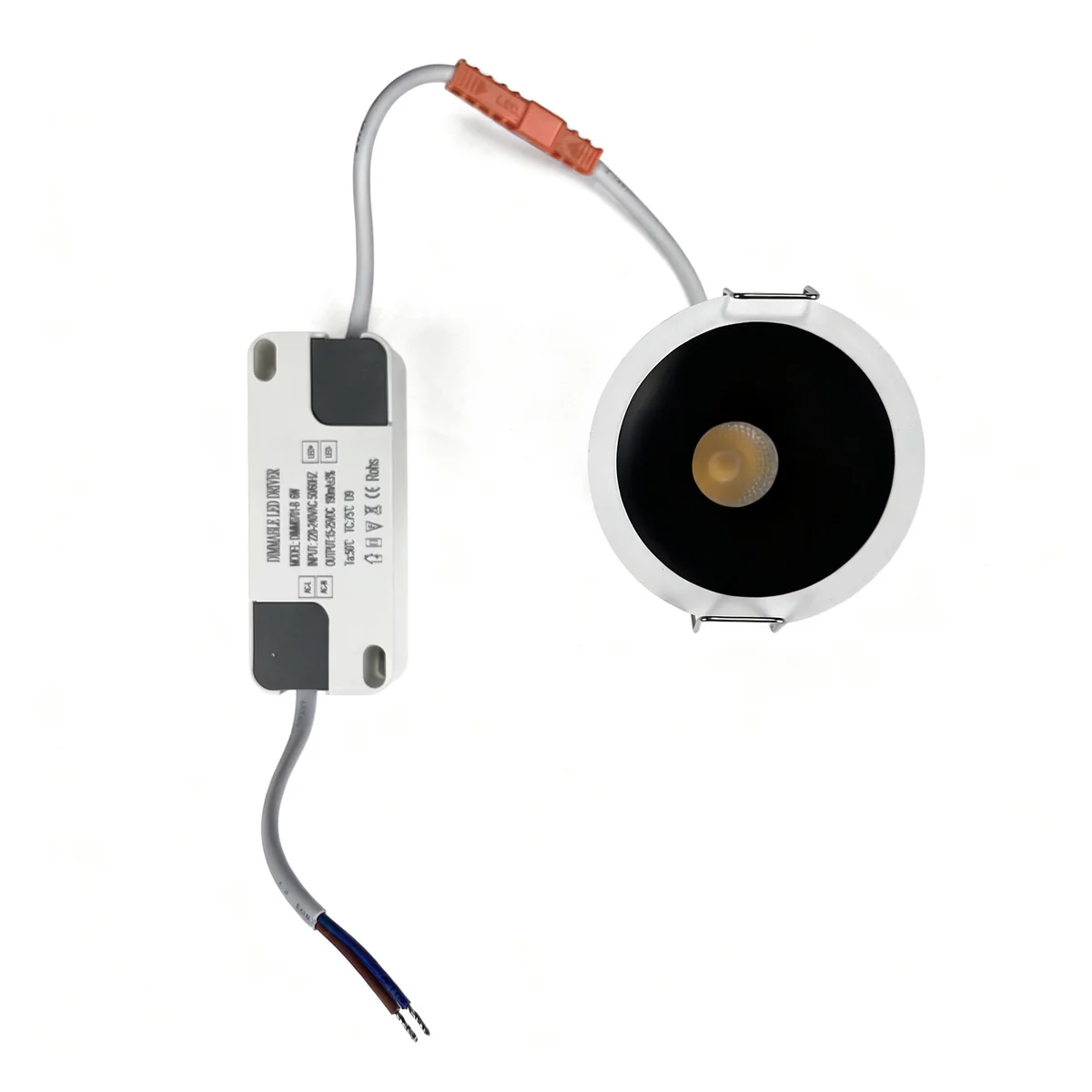
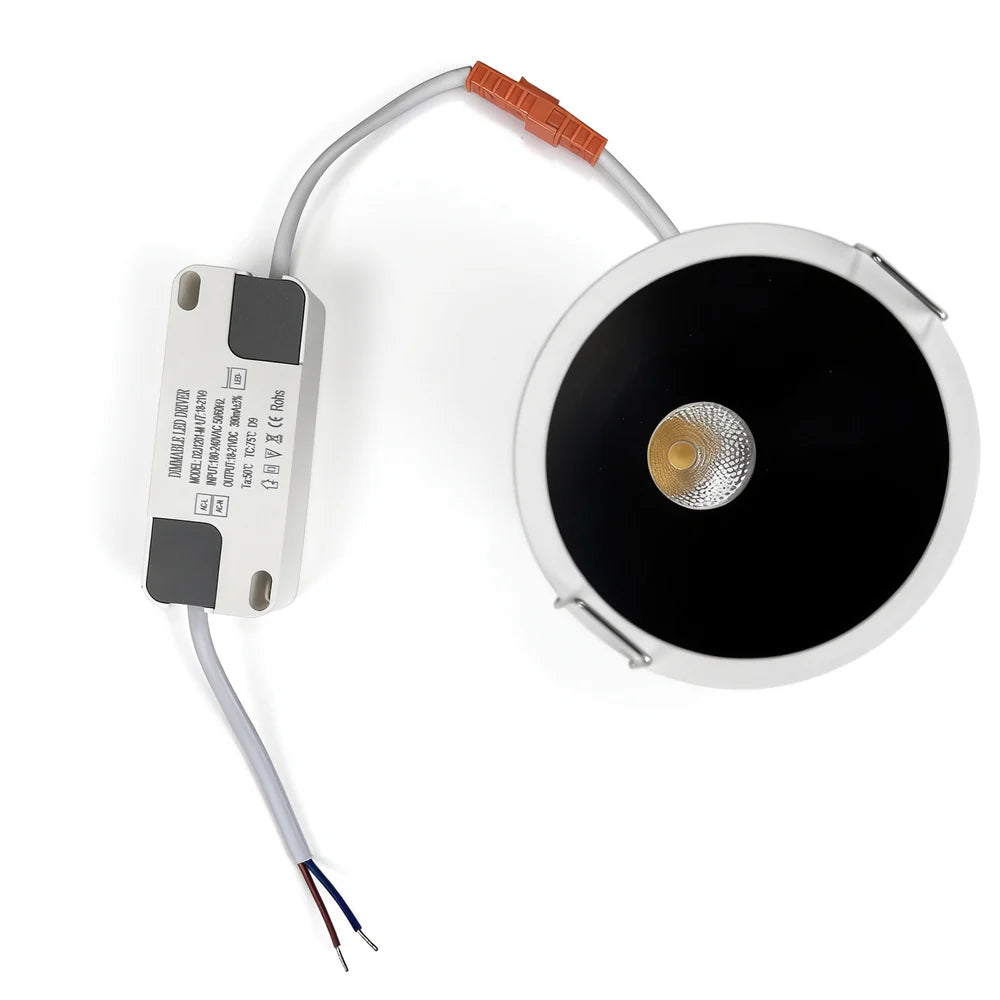

Featured discussion · Application case
Changed the dining room downlights and the glare difference was more noticeable than I expected
A cleaner ceiling and softer visual comfort
Answered by LightingWill
Precision Lighting for Refined Spaces
High-CRI architectural downlights with deep anti-glare optics and precise beam control.
Designed for luxury interiors, hotels, retail spaces, galleries and premium residential projects.
Compare US and EU architectural downlights by voltage standard, reflector type, wattage options, color temperature, and recommended applications.
| Product Cluster | Input Voltage | Reflector Types | Available Wattages | Color Temperature | CRI | Best For |
|---|---|---|---|---|---|---|
| CDG-US Commercial Downlights | 90–140V |
Angled Curved Black |
5W 7W 9W 12W |
5CCT Adjustable 2700K / 3000K / 3500K / 4000K / 5000K |
CRI >97 | North American commercial projects, hospitality, retail stores, offices, and premium residential spaces |
| CDG-EU Commercial Downlights | 200–240V |
Angled Curved Black |
5W 7W 9W 12W |
3000K 4000K 5000K |
CRI >95 | European commercial lighting projects, hotels, restaurants, offices, showrooms, and architectural interiors |
Filters
16 products
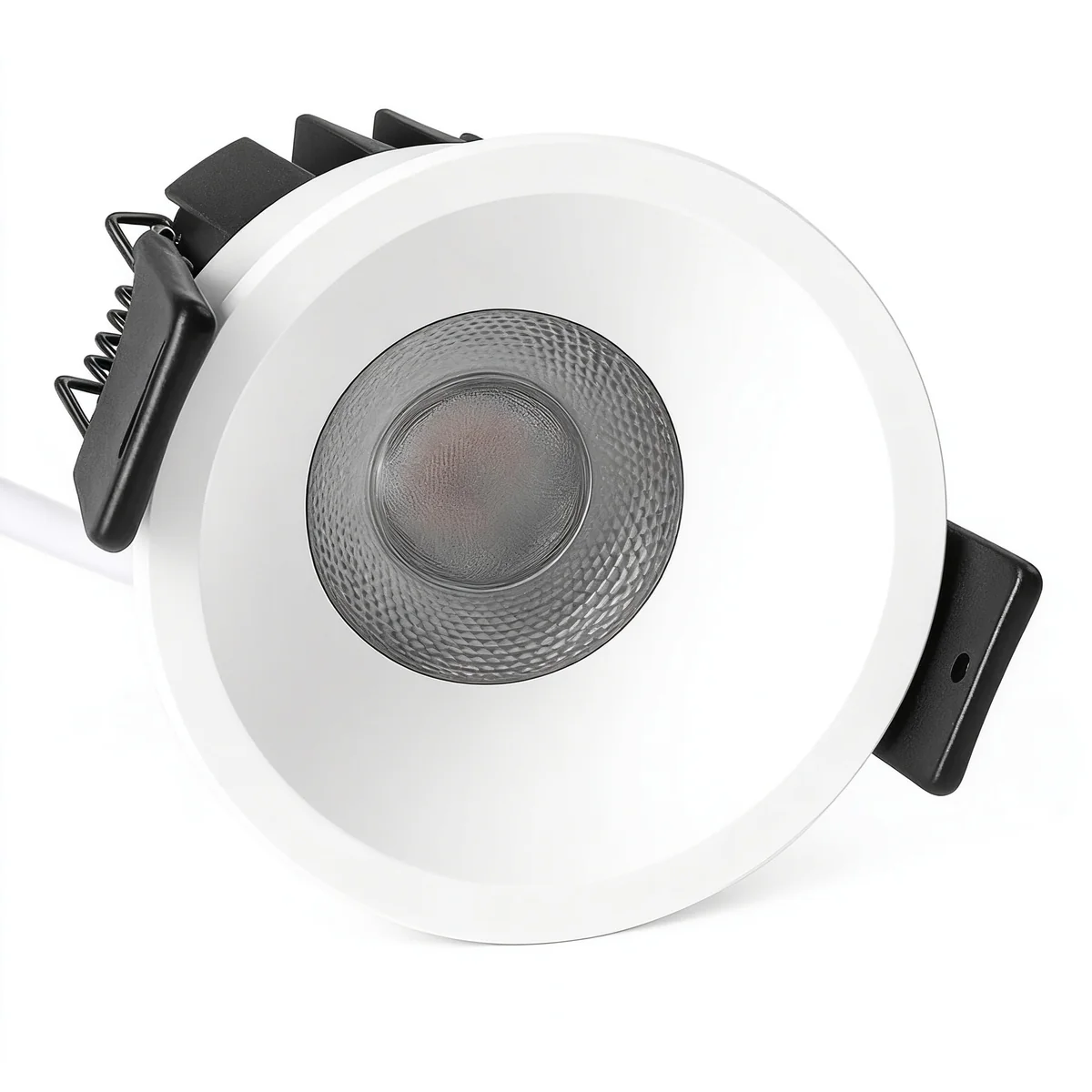
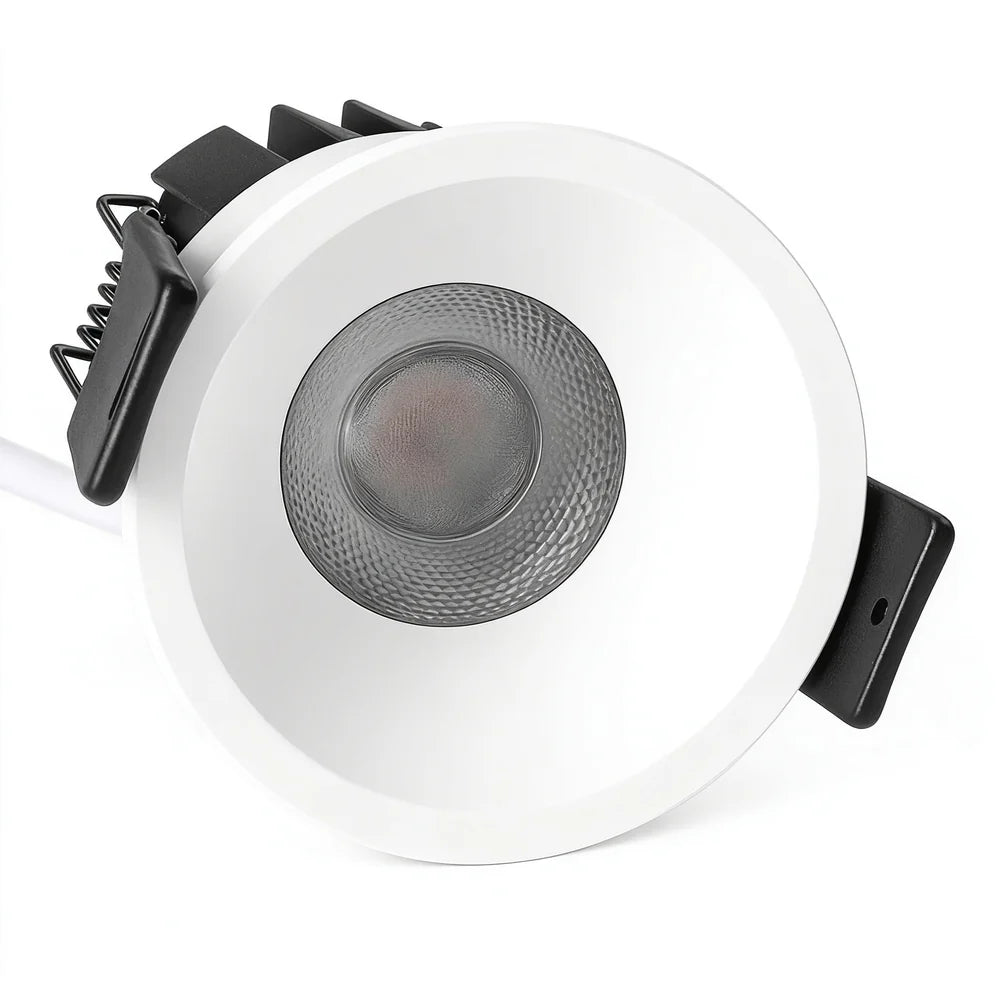
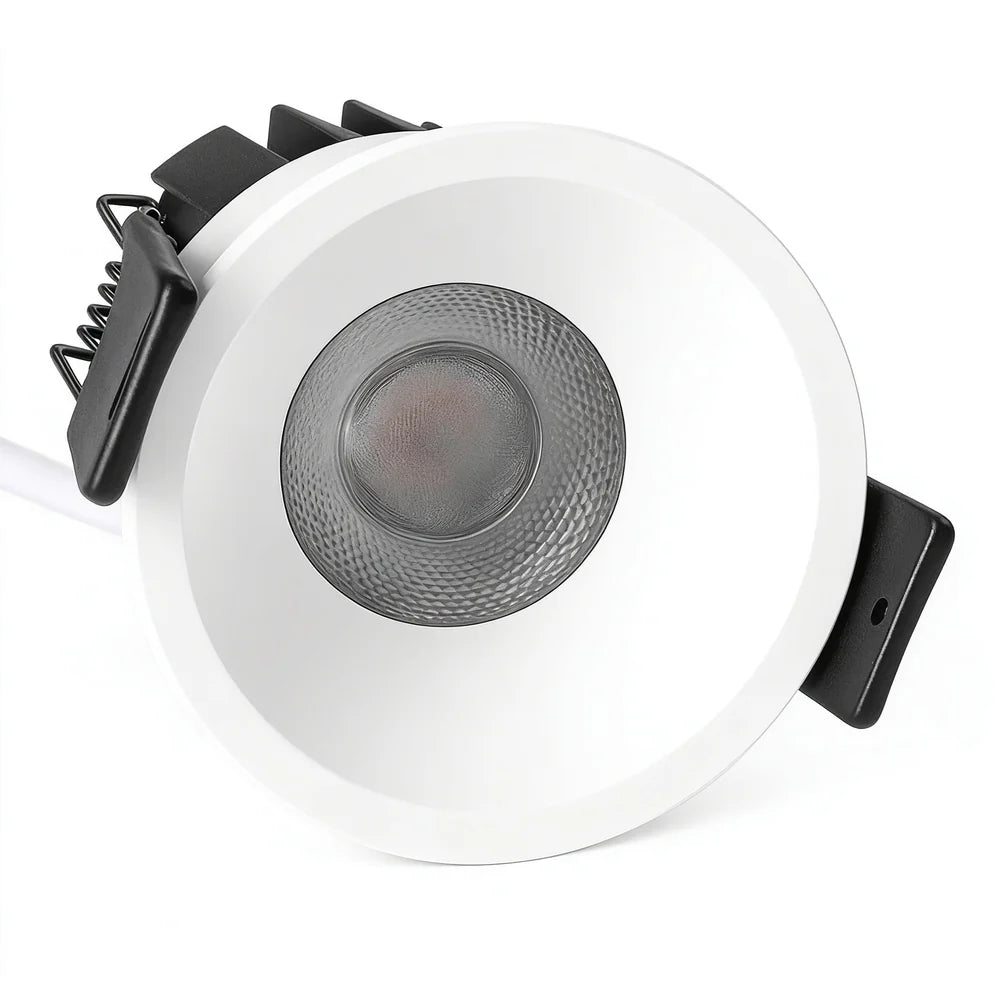
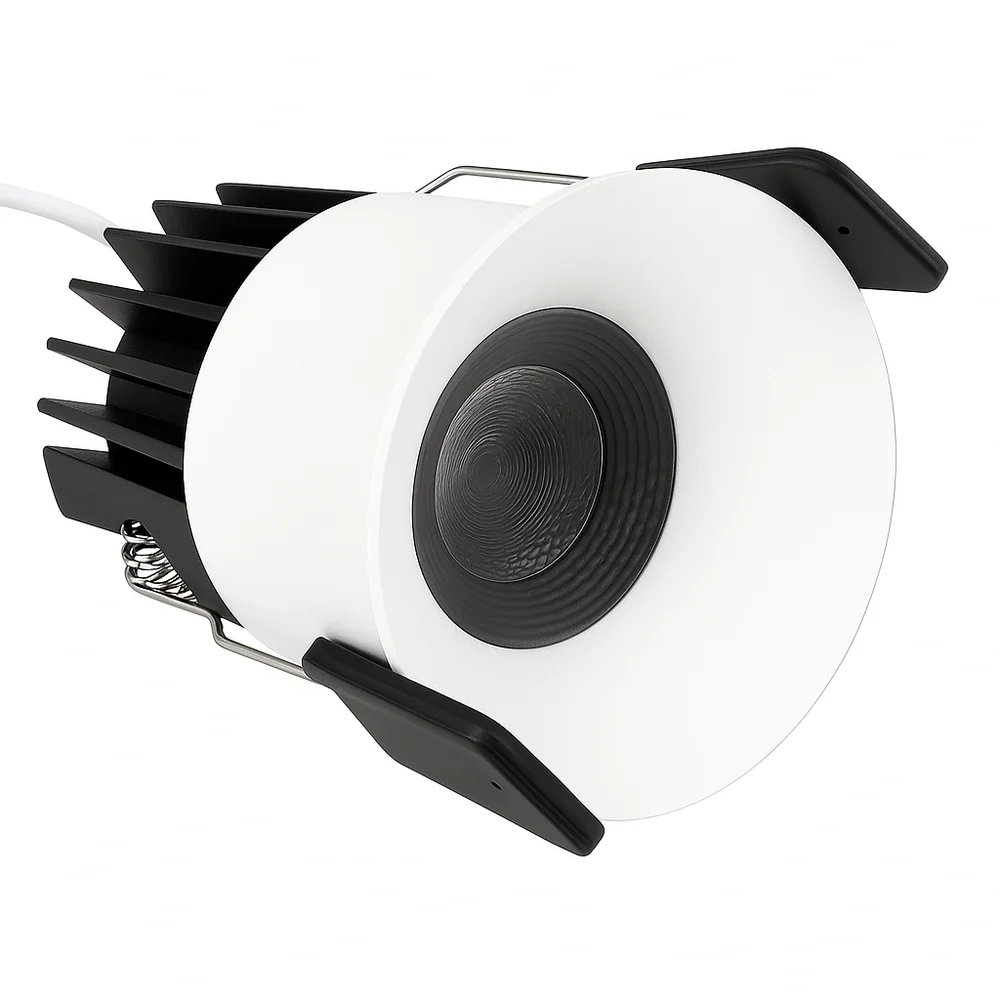
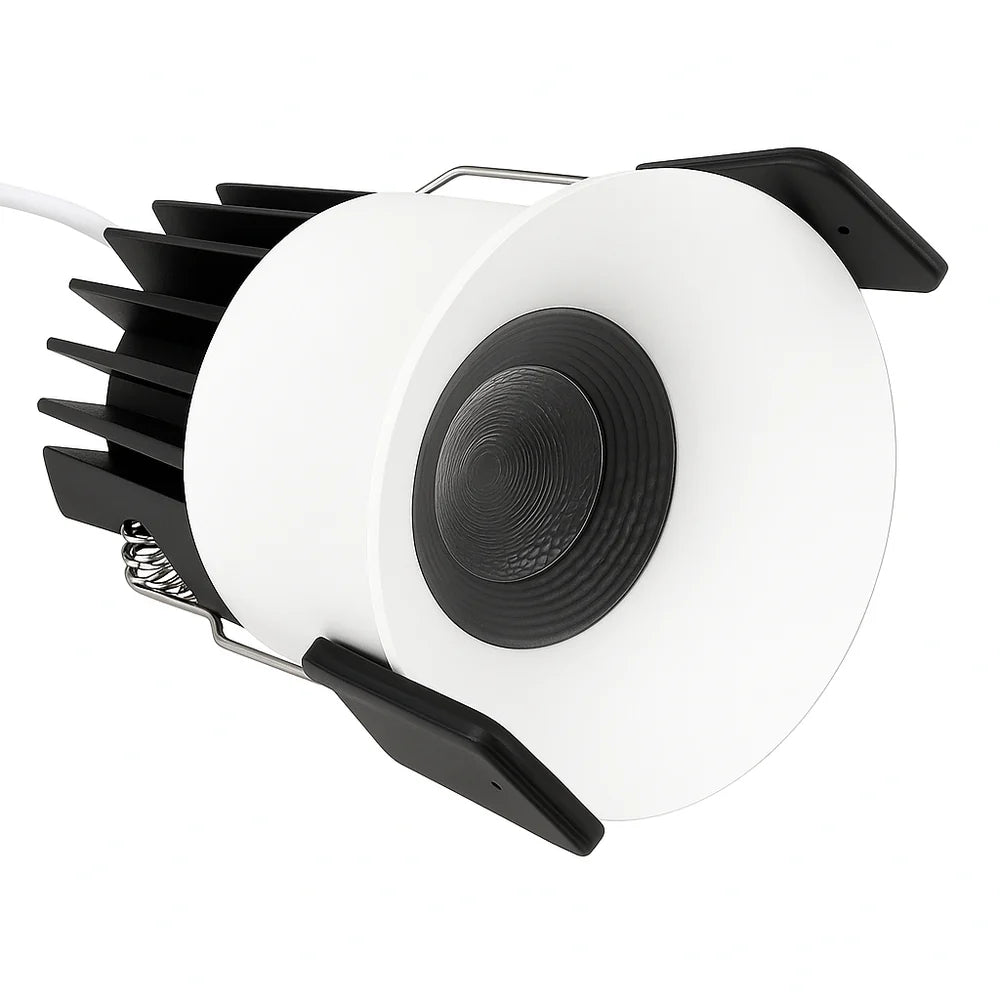
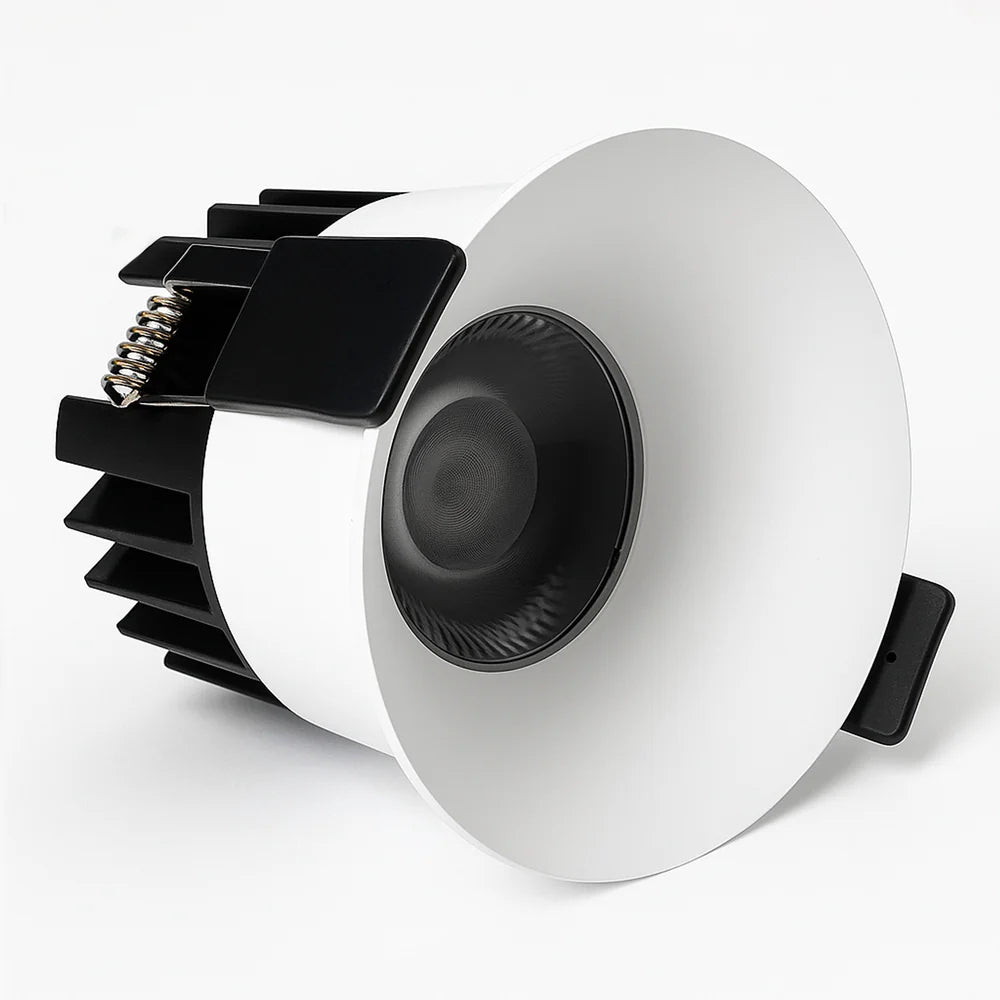
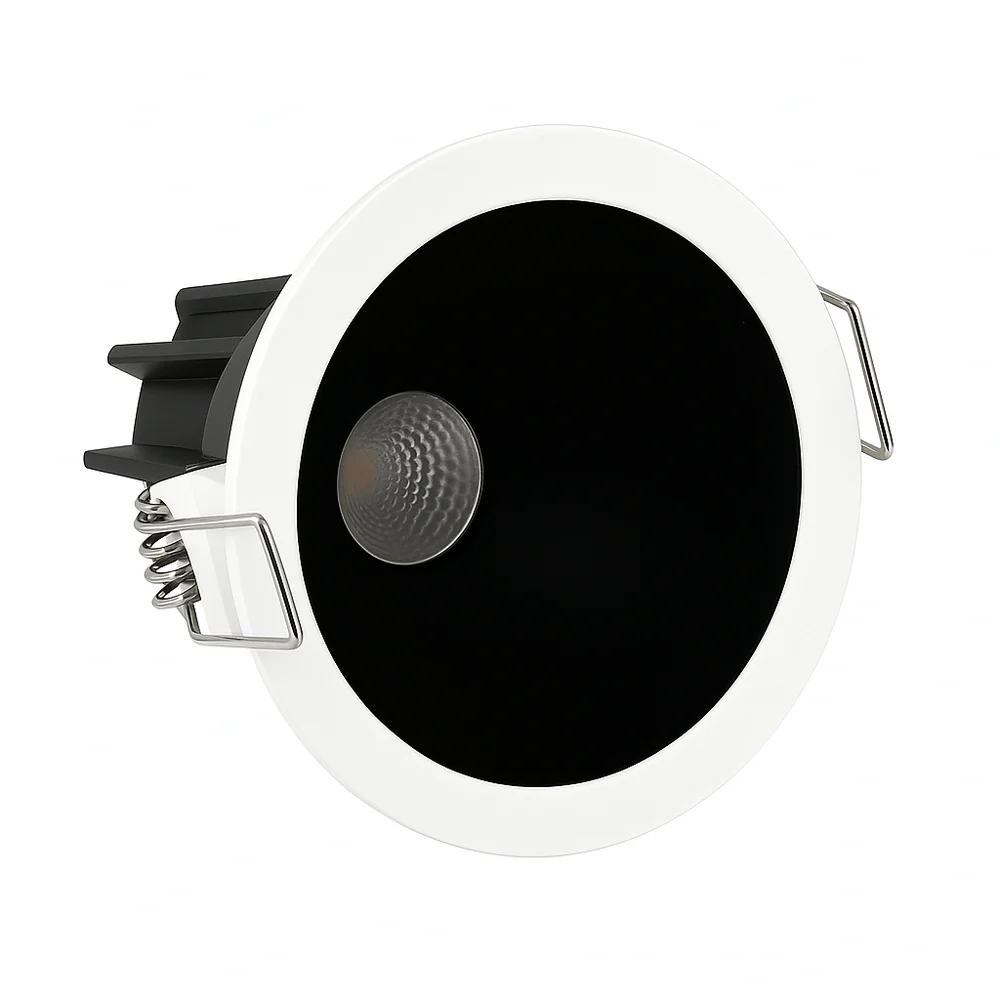
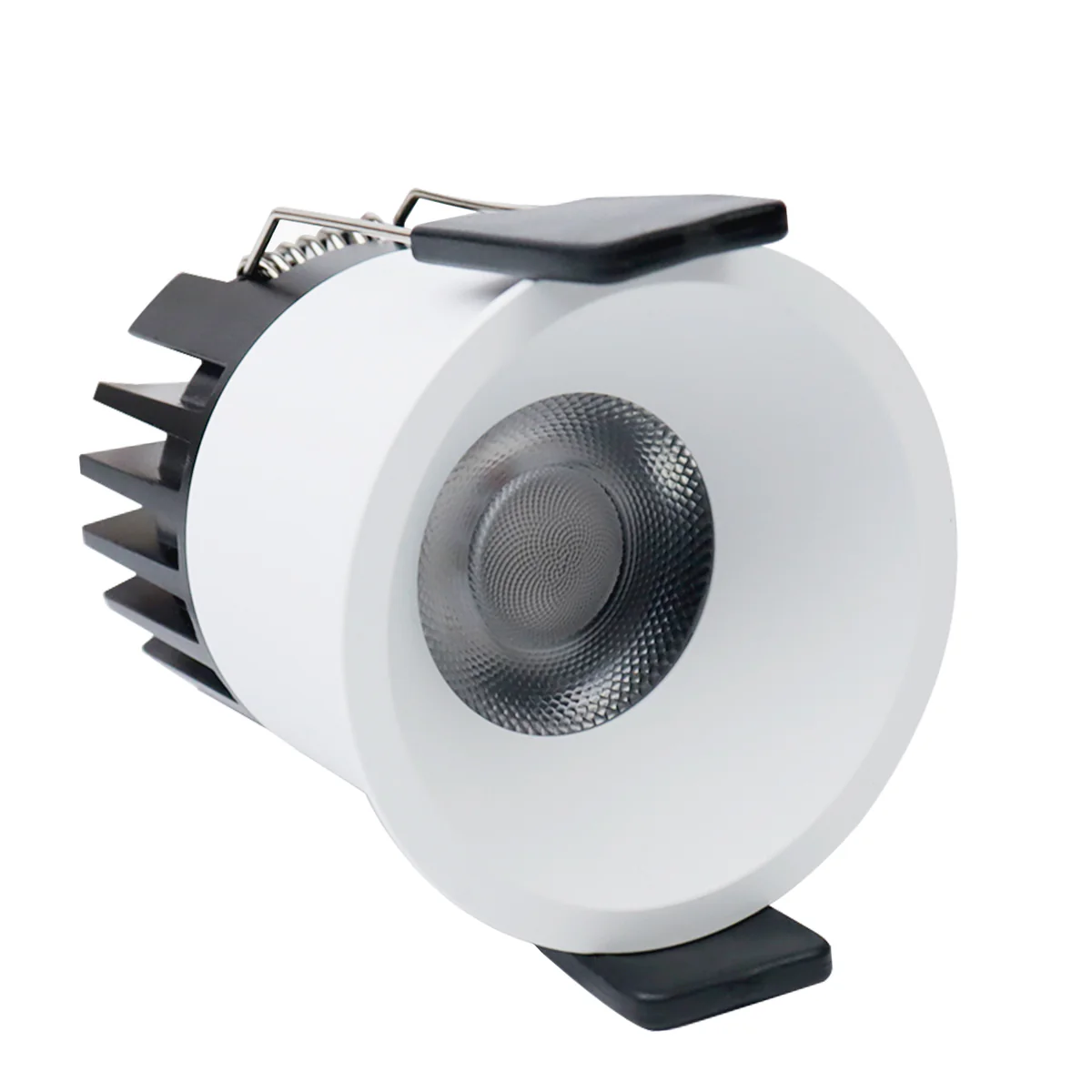
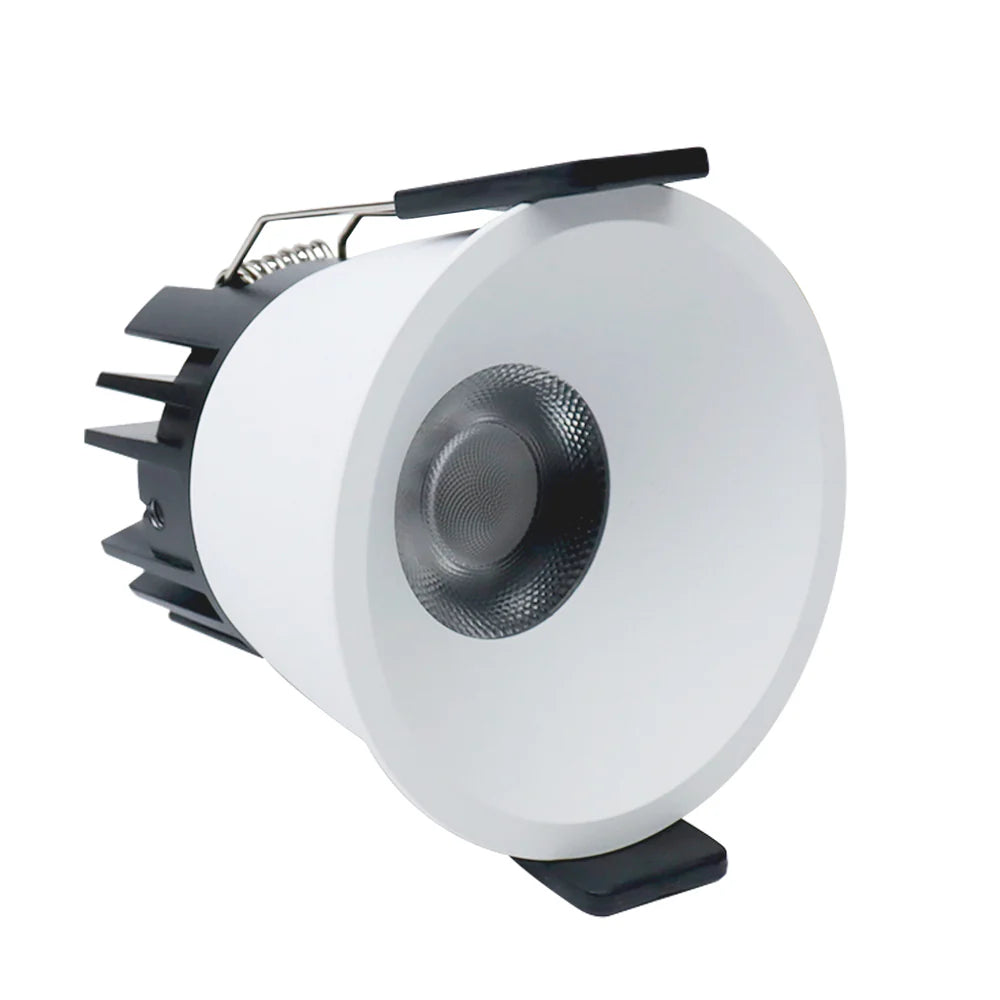
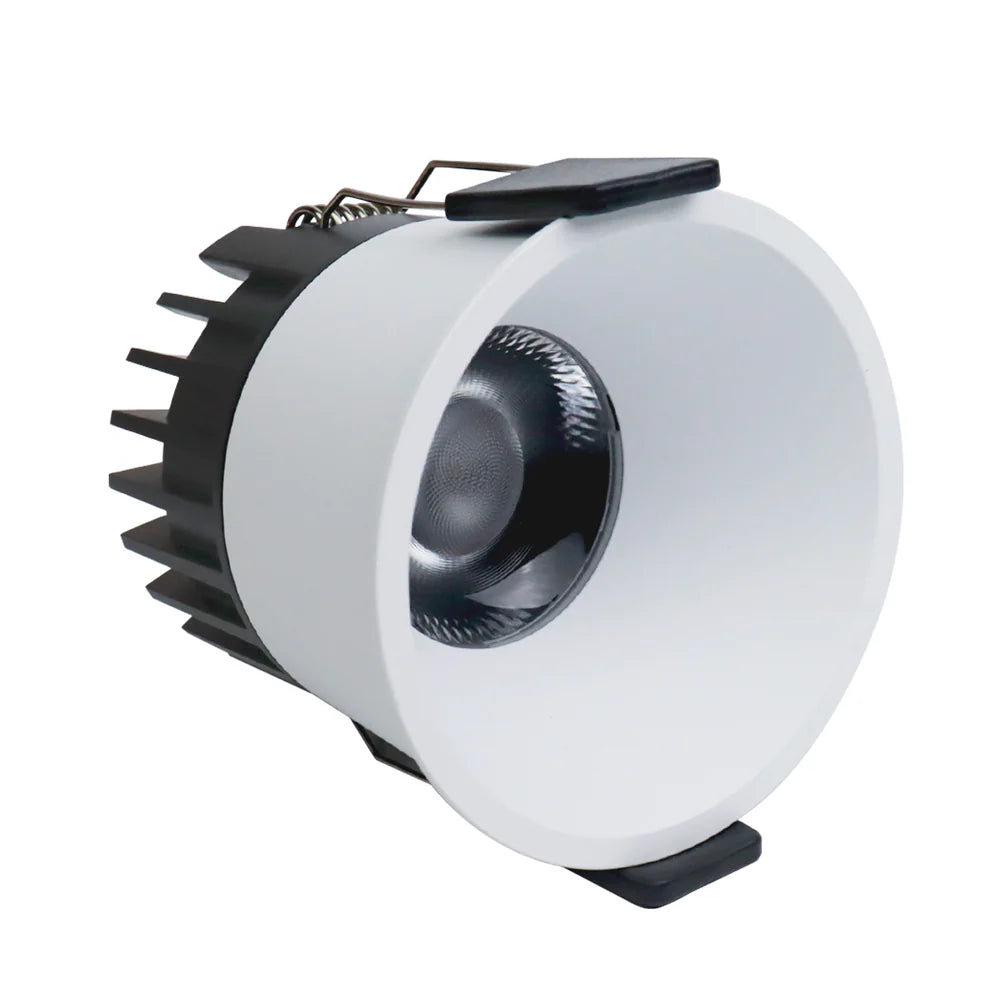
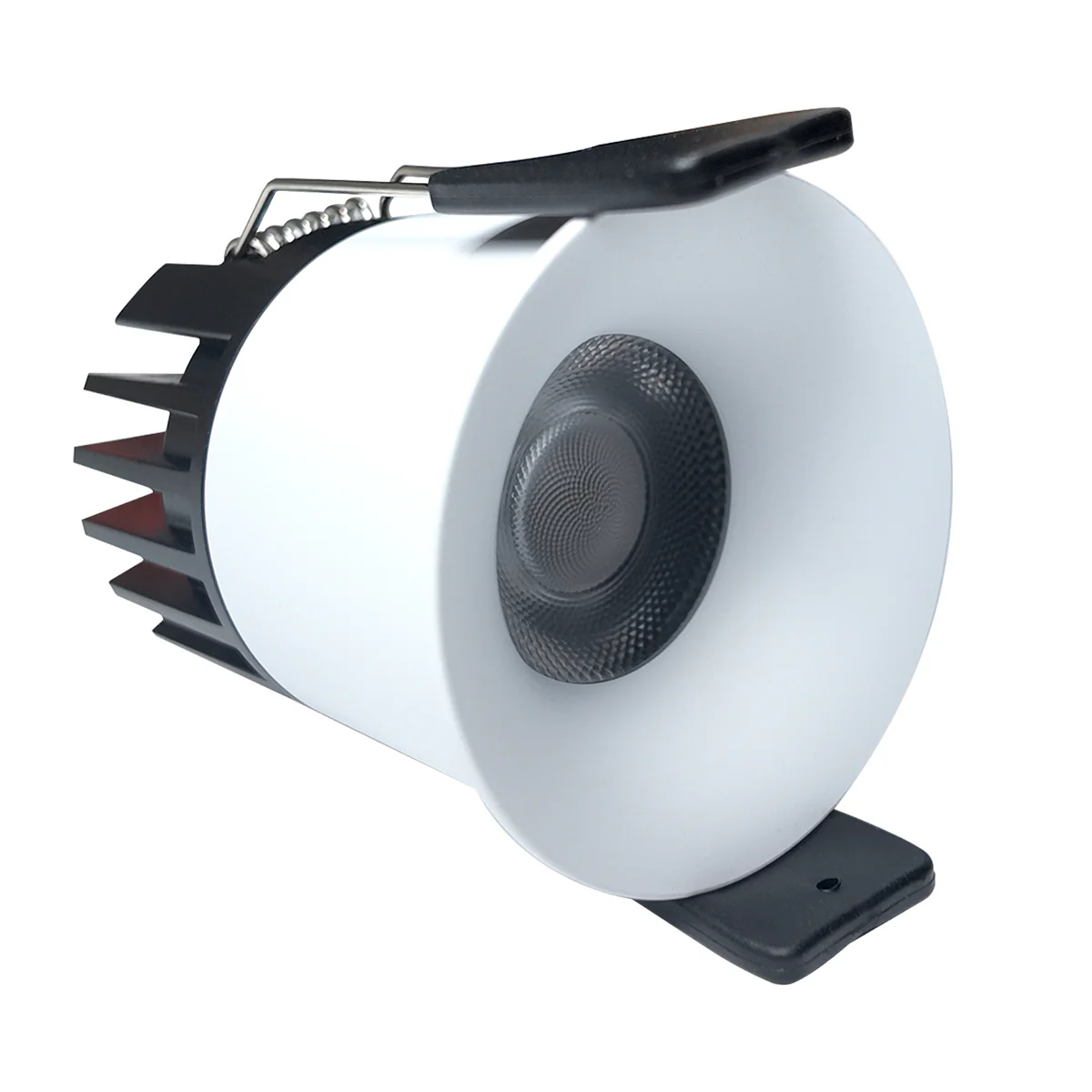
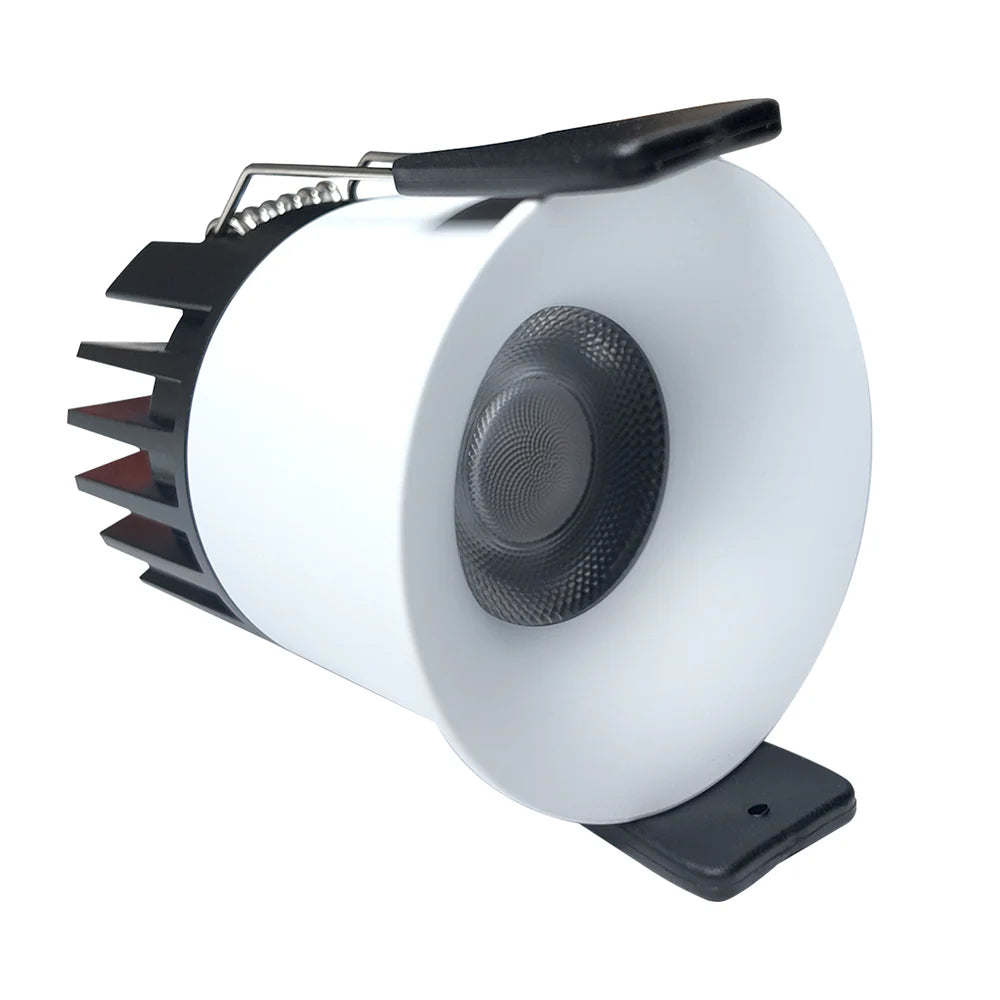
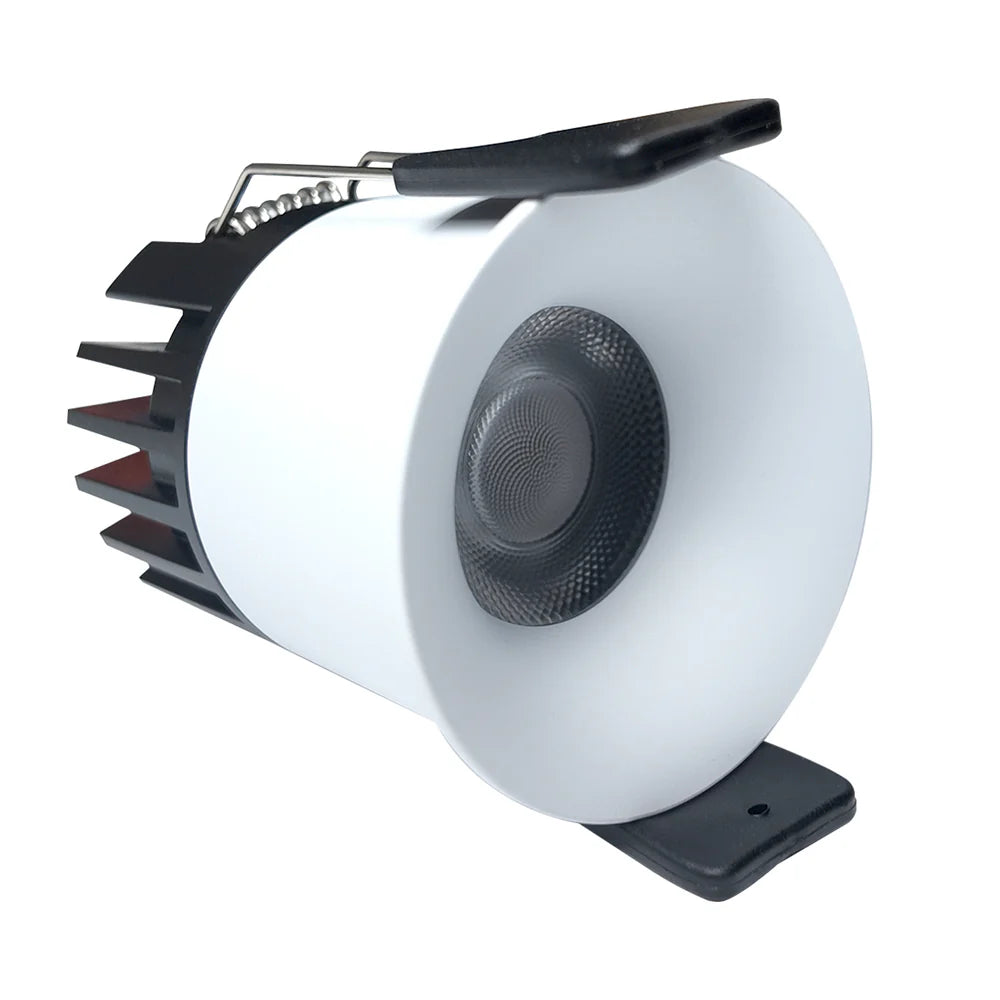
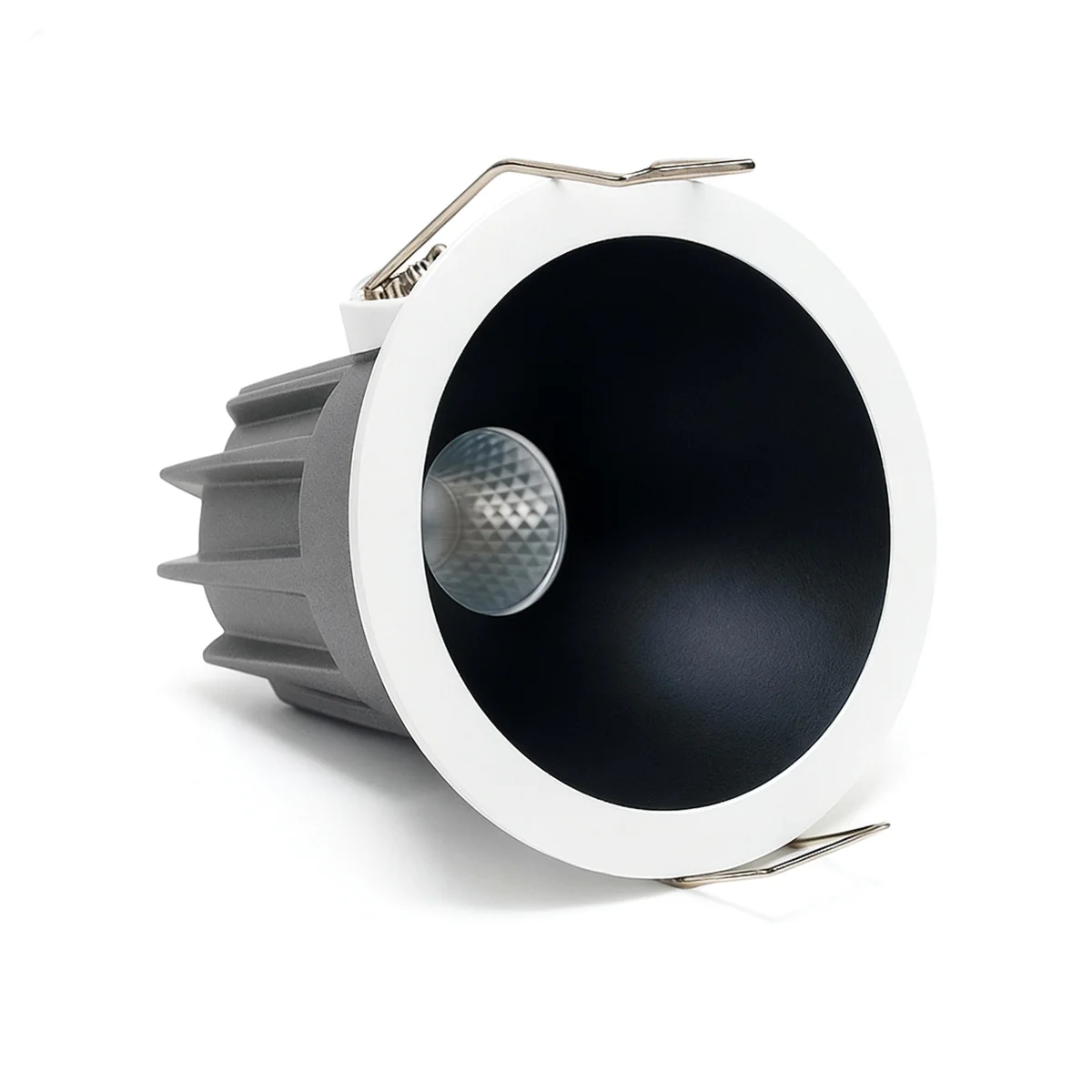
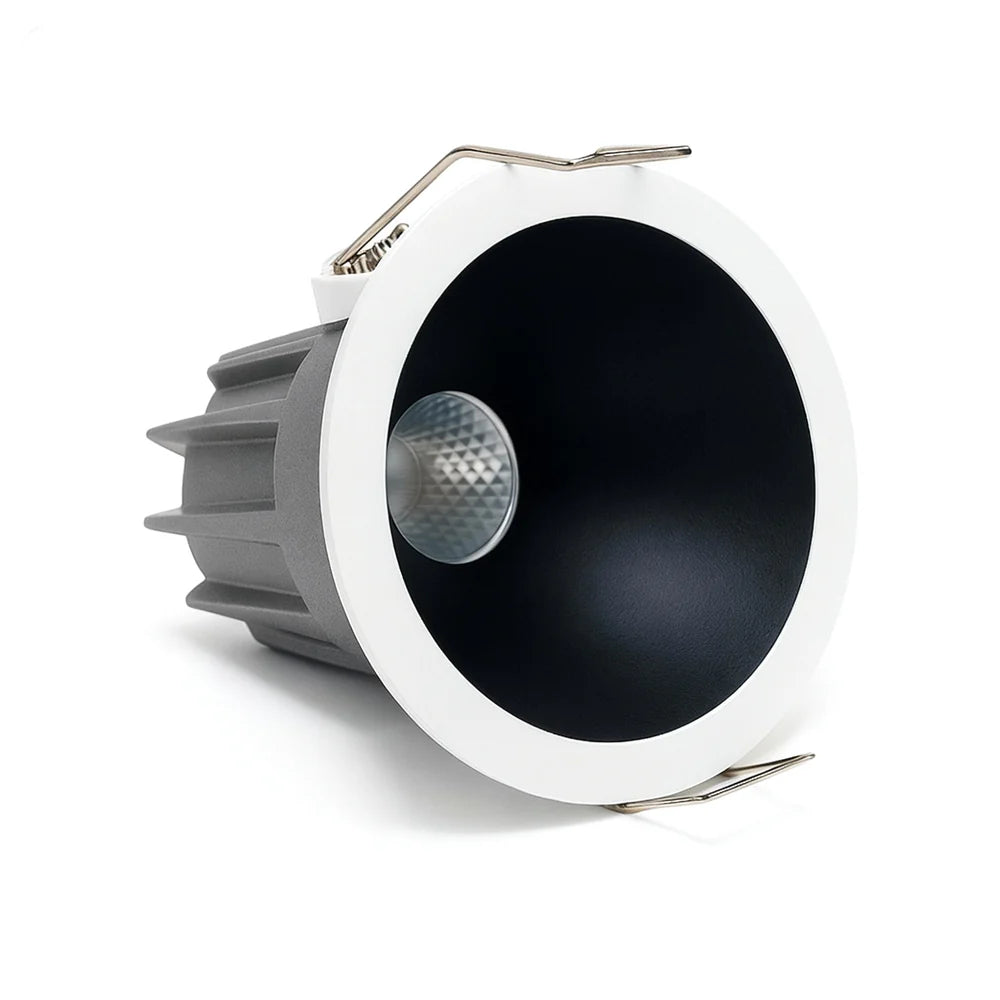
Professional architectural lighting requires more than brightness alone. Visual comfort, beam control, color accuracy, optical design, and proper application all contribute to the overall lighting experience. The following guide helps designers, contractors, and project managers select the most suitable commercial downlight solution.
| Reflector Type | Lighting Characteristic | Best For |
|---|---|---|
| Angled Reflector | Provides directional beam control and strong visual focus. | Retail displays, artwork, merchandise highlighting, feature walls. |
| Curved Reflector | Balanced beam distribution with smooth light transitions. | Offices, hotels, restaurants, reception areas, and general architectural lighting. |
| Black Reflector | Maximum glare control and enhanced visual comfort. | Luxury retail, galleries, museums, executive spaces, and premium interiors. |
Color Rendering Index (CRI) measures how accurately a light source reveals the true colors of objects compared to natural daylight. High-CRI lighting is critical in commercial and architectural environments where color accuracy directly affects product presentation, material appearance, and customer experience.
| CRI Level | Color Performance | Typical Applications |
|---|---|---|
| CRI 80+ | Standard color rendering | Basic commercial lighting |
| CRI 90+ | Enhanced color accuracy | Retail stores, hospitality environments |
| CRI 95–97+ | Exceptional color fidelity and natural appearance | Architectural projects, luxury interiors, galleries, showrooms, museums |
The CDG architectural downlight series is designed for professional commercial and architectural lighting projects requiring visual comfort, precise beam control, and premium lighting quality.
| Project Type | Recommended Reflector | Primary Goal |
|---|---|---|
| Retail Stores & Showrooms | Angled Reflector | Product highlighting and visual merchandising |
| Hotels & Hospitality | Curved Reflector | Comfortable ambient lighting and premium atmosphere |
| Museums & Galleries | Black Reflector | Minimized glare and enhanced visual focus |
| Offices & Conference Rooms | Curved Reflector | Balanced illumination and visual comfort |
| Luxury Residential Projects | Black Reflector or Curved Reflector | Premium aesthetics and comfortable lighting experience |
All CDG Series architectural downlights utilize a 24° beam angle, providing focused illumination and excellent visual control for modern commercial environments.
| Beam Angle | Lighting Effect | Typical Applications |
|---|---|---|
| 24° | Focused accent lighting with strong visual hierarchy and reduced light spill. | Retail displays, artwork illumination, architectural features, reception desks, and premium commercial spaces. |


Upgrade dark, uneven spaces with clean recessed lighting. Enjoy brighter, more balanced illumination and a modern, streamlined ceiling look.
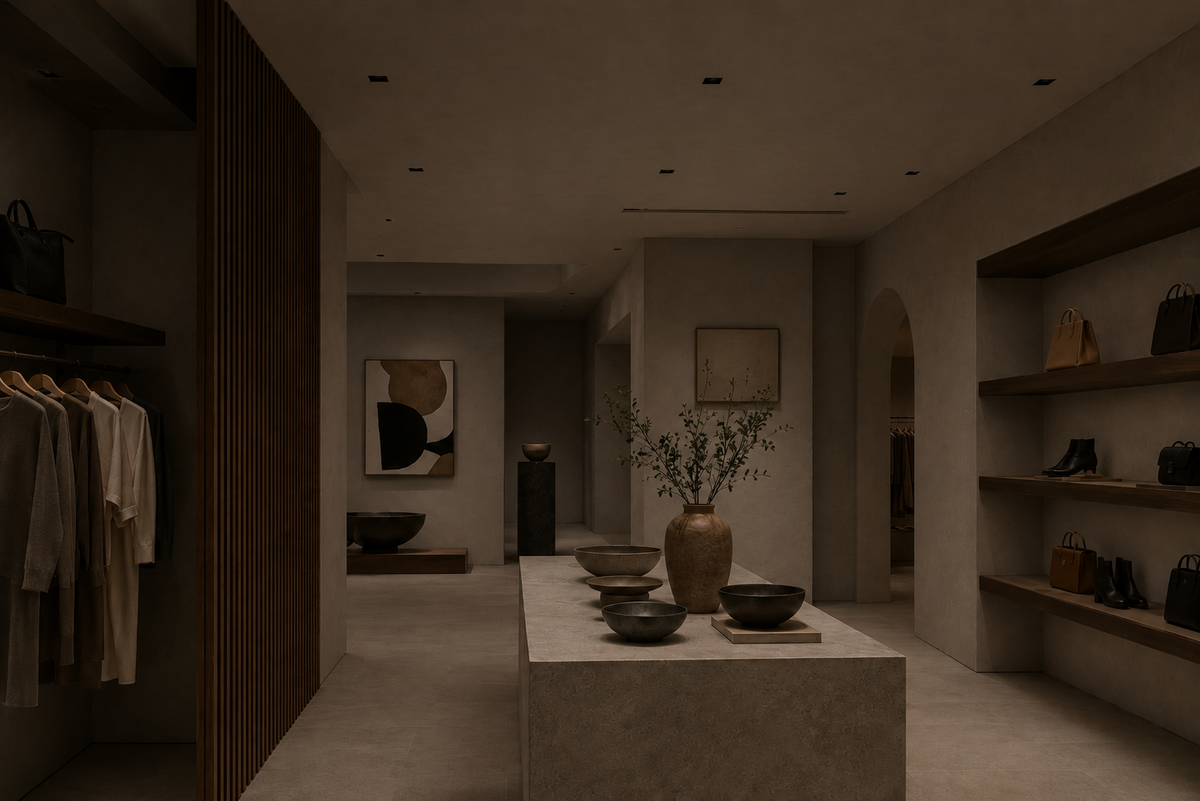
Before
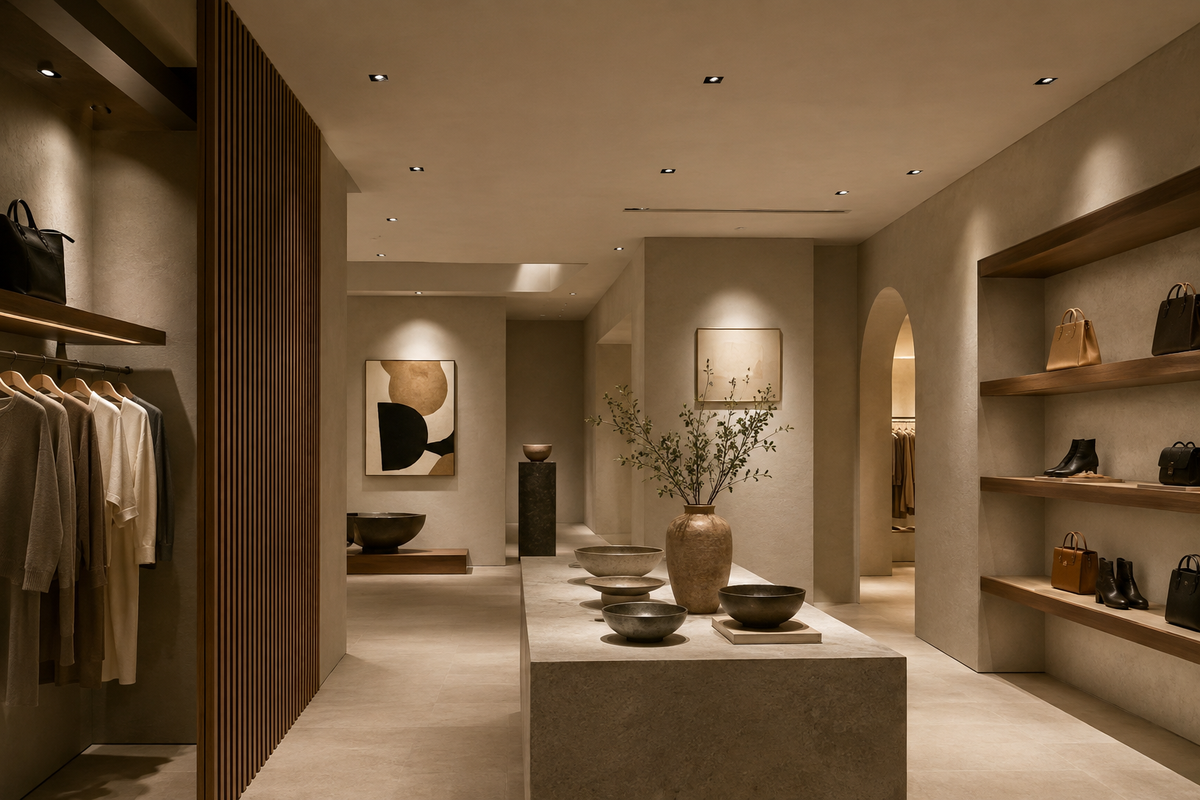
After
Explore real customer questions, application ideas and answers from our team.
A cleaner ceiling and softer visual comfort
Answered by LightingWillMore focused light where we actually wanted it
A simple guide to the three CDG optical styles

Choosing between comfort and general beam distribution
Wattage and fixture size change together
Why adjustable color temperature can help during a renovation
Checking dimmer compatibility before replacing old fixtures
No discussions in this category yet.

We renovated the dining area last year and the old ceiling spots were one of the things I really wanted to change.
They were bright enough, but you could see the light source from almost anywhere in the room, especially when sitting at the tables.
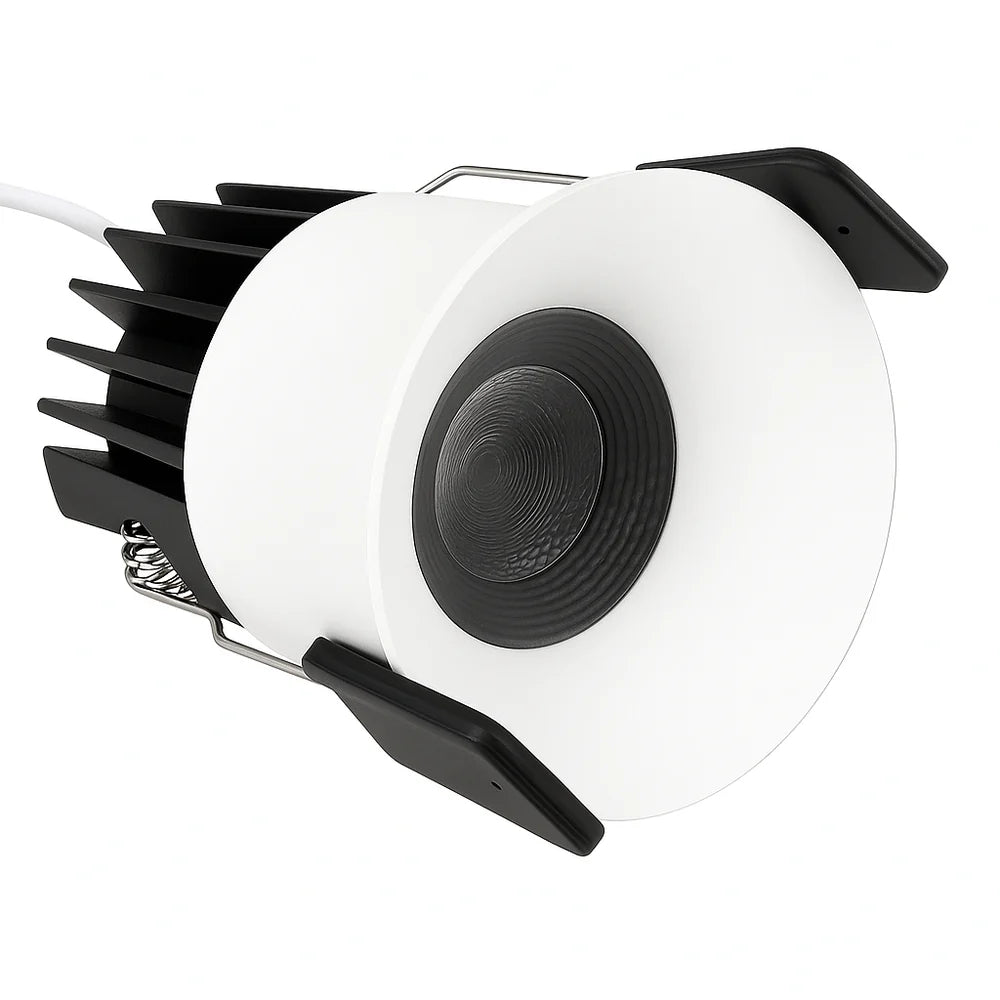
We ended up using the deeper curved-reflector downlights instead. The room still has plenty of light, but the ceiling feels much calmer now and the fixtures don’t grab your attention as much.
I also like the way the light transitions across the tables instead of looking like a series of harsh spots.
The installation took a little longer because we spent quite a bit of time getting the spacing right, but I’m glad we did.
Thanks for sharing the finished project.
The Curved Reflector CDG models are designed for smoother beam transitions and balanced architectural illumination, which is why they work well in restaurants, hotels, reception areas and similar spaces where visual comfort matters.
All CDG models use a focused 24° beam and deep anti-glare optical structure.
We have three framed pieces along one wall in the living room and the old recessed lights mostly lit the floor in front of them.
During the renovation we changed that section to the angled reflector version.
That worked much better for what we were trying to do. The light feels more intentional and there’s less spill across the rest of the wall.
Getting the fixture positions right mattered more than I expected. We mocked up the locations before cutting the ceiling and I’m glad we did because moving one of them a few inches made the artwork look much more balanced.
This is exactly the type of application the Angled Reflector is intended for.
LightingWill positions the angled CDG reflector for artwork, merchandise, feature walls and display lighting, where directional control and stronger visual focus are preferred. The series uses a 24° beam for focused architectural illumination.
The CDG architectural downlight series uses the same focused 24° beam concept across several reflector styles, but the reflector shape changes how the fixture is best used.
Here’s the simplest way to choose between them.
Angled Reflector
Best when you want stronger directional emphasis. Recommended for artwork, merchandise, feature walls and retail displays.
Curved Reflector
Designed for smoother beam transitions and balanced architectural illumination. A good choice for hotels, offices, restaurants, reception areas and general premium interiors.
Black Reflector
Designed for maximum glare control and visual comfort. Best suited to galleries, museums, luxury retail, media rooms and upscale residential projects.
The US product family uses 90–140V, CRI>97 and 5CCT adjustable output, while EU models use 200–240V, CRI>95 and fixed 3000K / 4000K / 5000K options. All current CDG models use a 24° beam angle.
I’m choosing downlights for a media room where the ceiling lights will be visible from the sofa.
I’m deciding between the curved reflector and black reflector versions.
I don’t need the room extremely bright. My main concern is being able to sit down without feeling like I’m looking directly into the LEDs.
Is that where the black reflector makes more sense?
Yes. If minimizing perceived glare is the priority, the Black Reflector is the stronger starting point.
LightingWill positions the Black Reflector for maximum glare control and premium visual comfort, including galleries, luxury retail, executive spaces and refined residential interiors.
The Curved Reflector is more focused on balanced beam distribution and smooth transitions for general architectural lighting.
I’m replacing recessed lights in a hallway and already have ceiling openings from the old fixtures.
I was originally comparing the 7W, 9W and 12W versions based on brightness, but then I noticed the cutout sizes are different too.
Should I match the existing ceiling opening first and then choose the wattage?
For a renovation with existing ceiling holes, check the cutout first.
Across the CDG series, wattage and fixture size are linked. For example, current models include roughly:
7W — 2.2″ cutout
9W — 2.6″ or 3″ depending on reflector model
12W — 3″ cutout
Once you know which fixture physically fits, you can compare wattage, reflector type and color temperature within that size range.
I’m almost certain I want 3000K in our living room, so I’m wondering whether there’s any real advantage to buying the adjustable US version.
The paint and flooring aren’t finished yet, though.
Is it worth having the different CCT settings just in case the room looks different once everything is installed?
For a project where finishes are still being selected, adjustable CCT can be useful.
The CDG-US models allow selection between 2700K, 3000K, 3500K, 4000K and 5000K, giving you more flexibility to evaluate the light against wall colors, flooring, furniture and materials before settling on the final setting.
If the project specification already requires one fixed color temperature, the EU-style fixed-CCT approach is simpler.
We already have a wall dimmer controlling the recessed lights in our dining room.
I’m looking at the CDG downlights and would rather not replace the switch if I don’t need to.
Are they meant to work with a normal TRIAC LED dimmer, or does the driver require something specific?
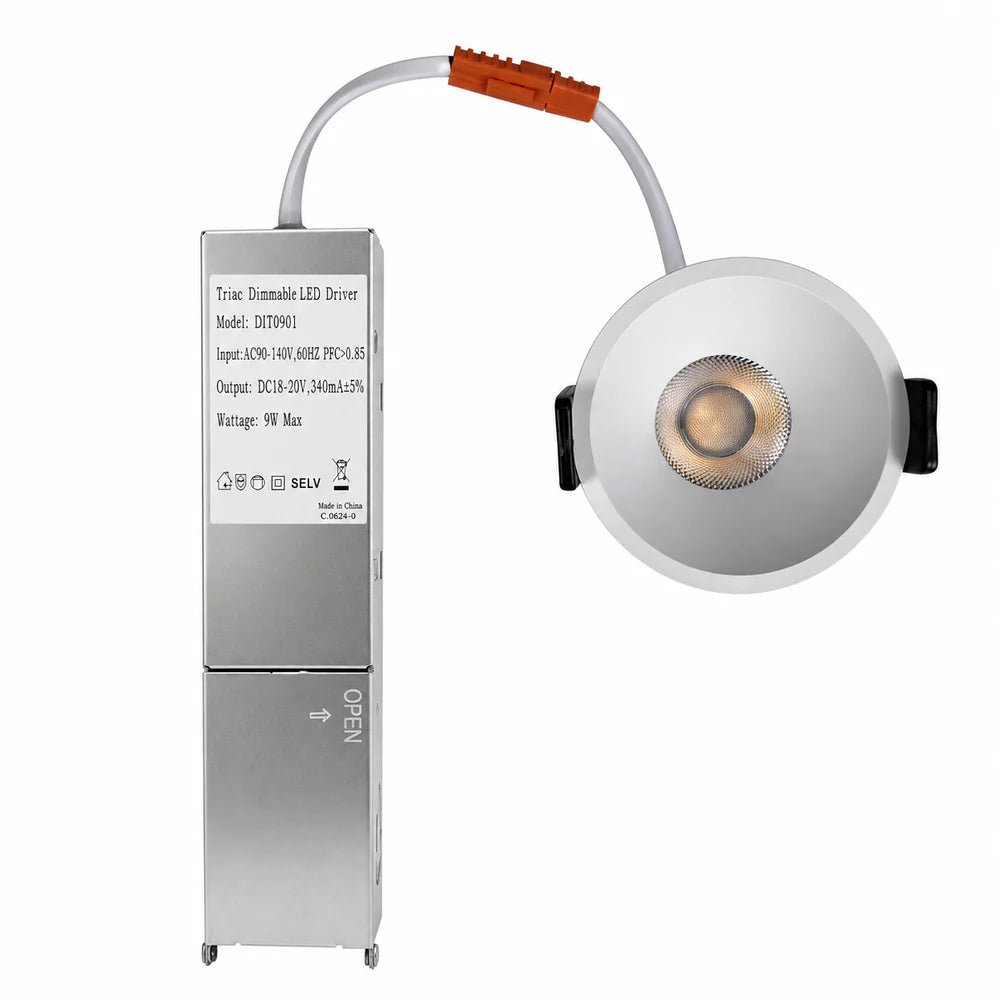
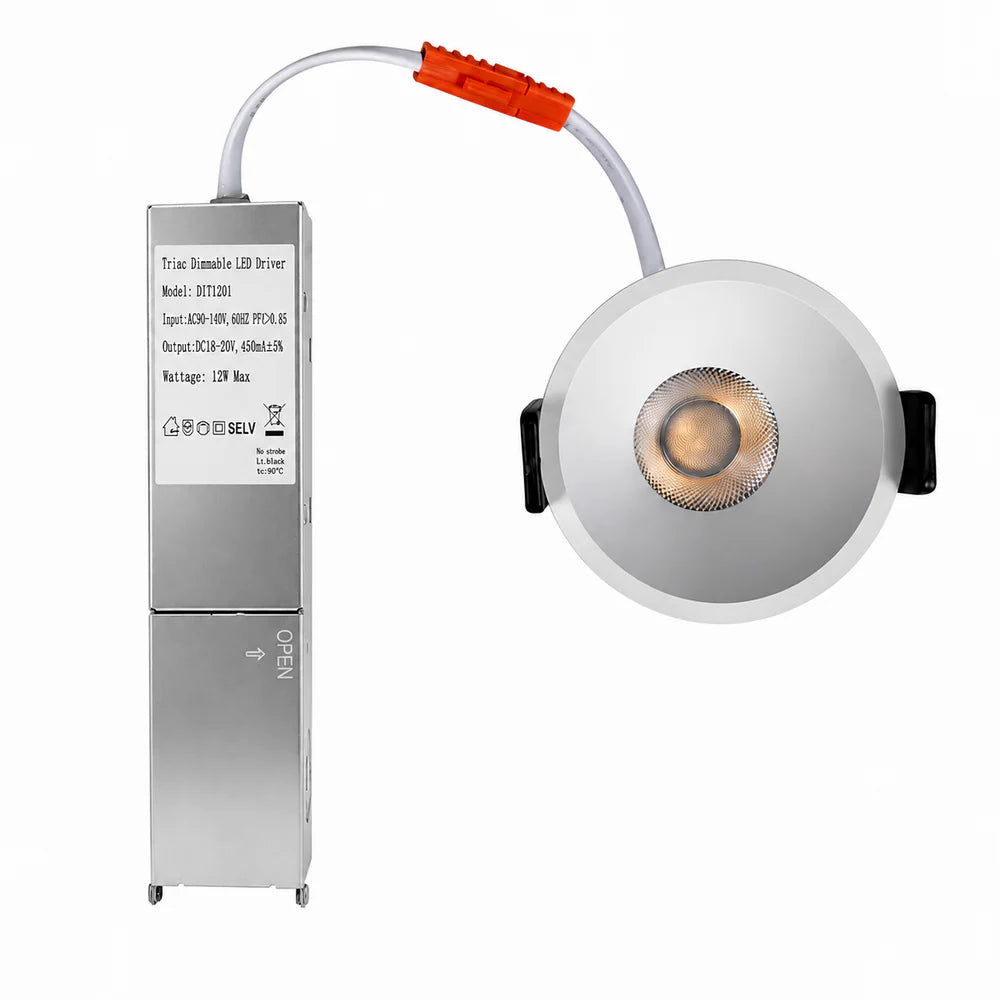
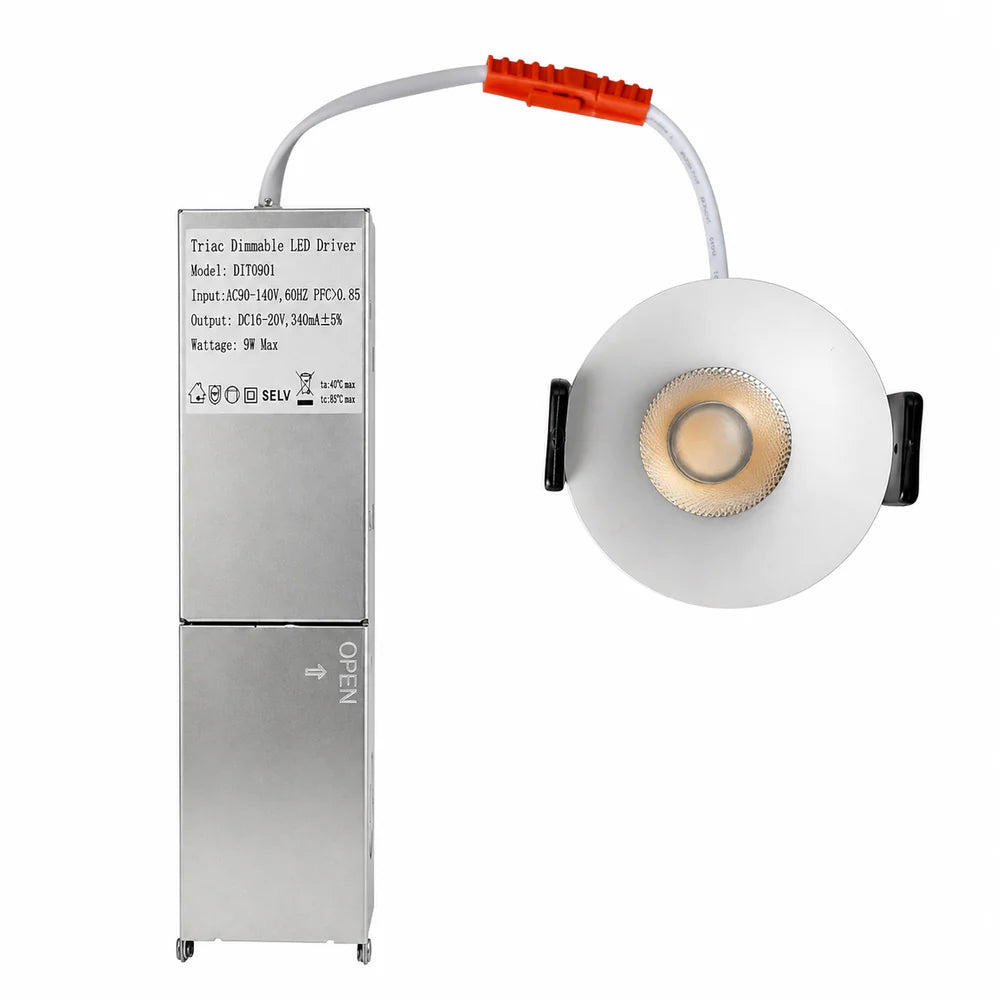
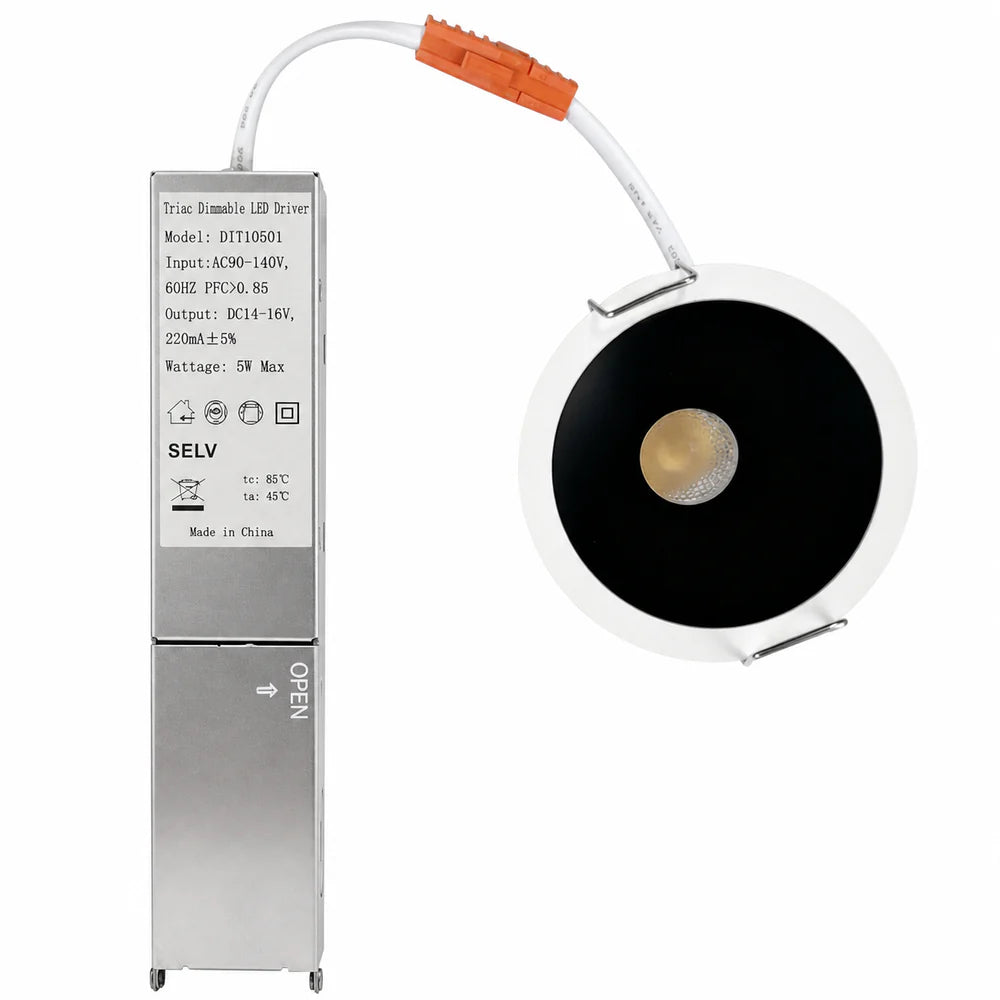
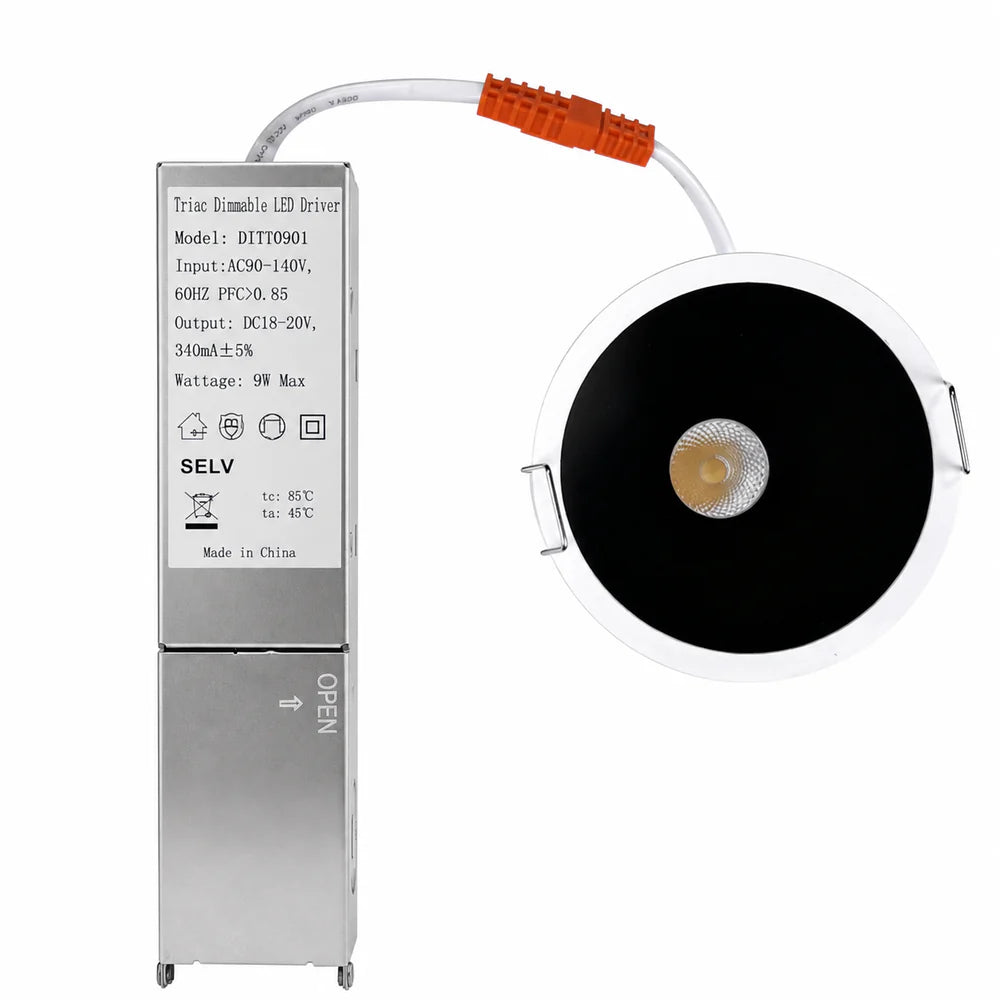
The current CDG architectural downlights are TRIAC dimmable and should be paired with a compatible LED TRIAC dimmer.
For example, the CDG-US Black Reflector is specified for approximately 10–100% TRIAC dimming, and EU CDG models also use TRIAC dimmable isolated drivers.
Because dimmer performance varies by model and load, we recommend confirming compatibility before completing a larger multi-fixture installation.

Fresh Designs. Seamless Lighting.
Meet our latest LED aluminum channel additions, designed to bring a clean, modern finish to your lighting projects.
DISCOVER NOW
Great lighting, special pricing.
Discover this period's featured lighting offers.
Check the applicable products and promotion details before ordering.
