

Light for Everyday Wellness
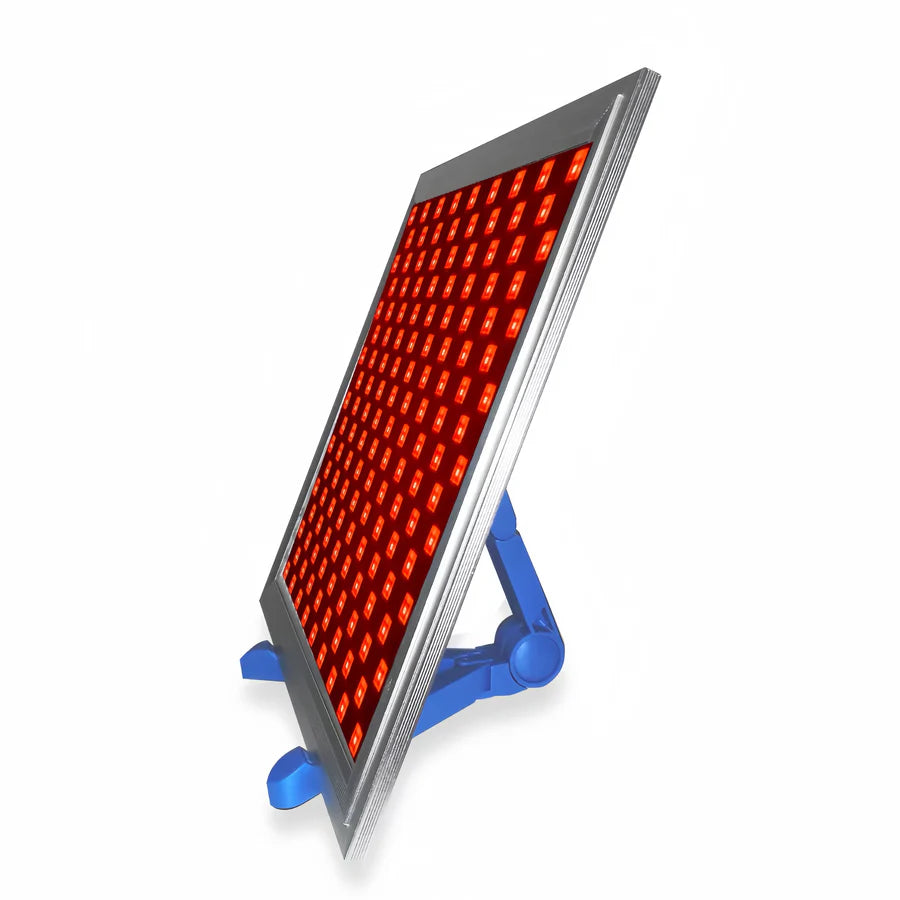
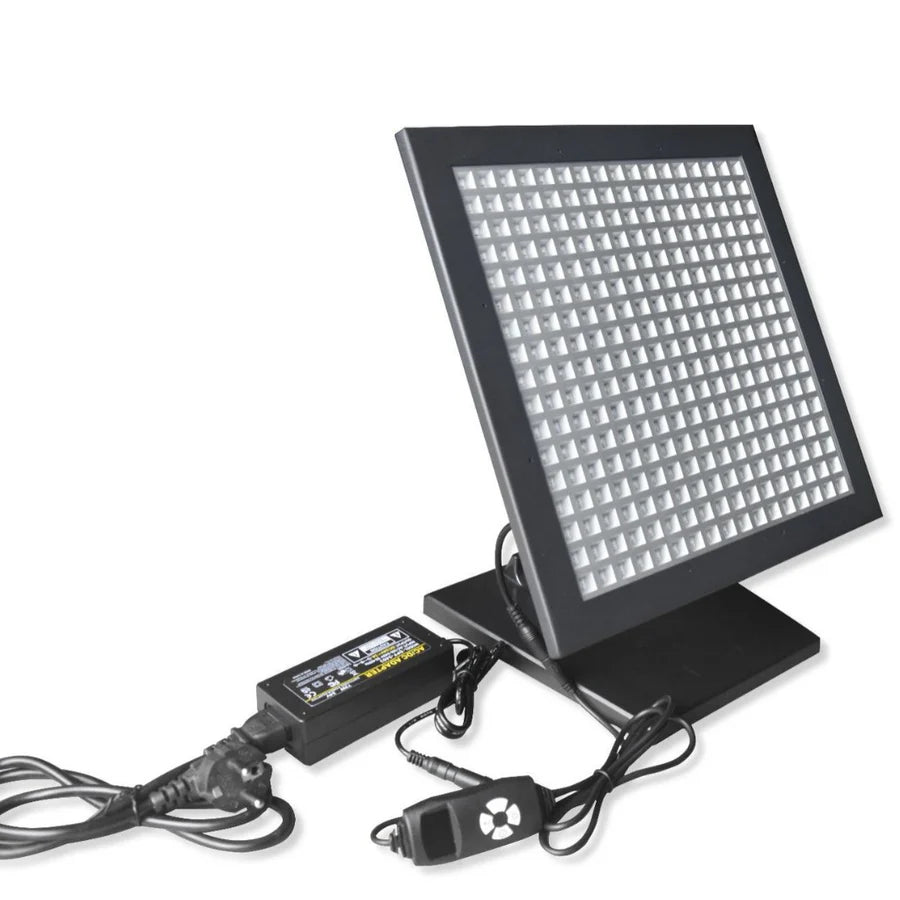
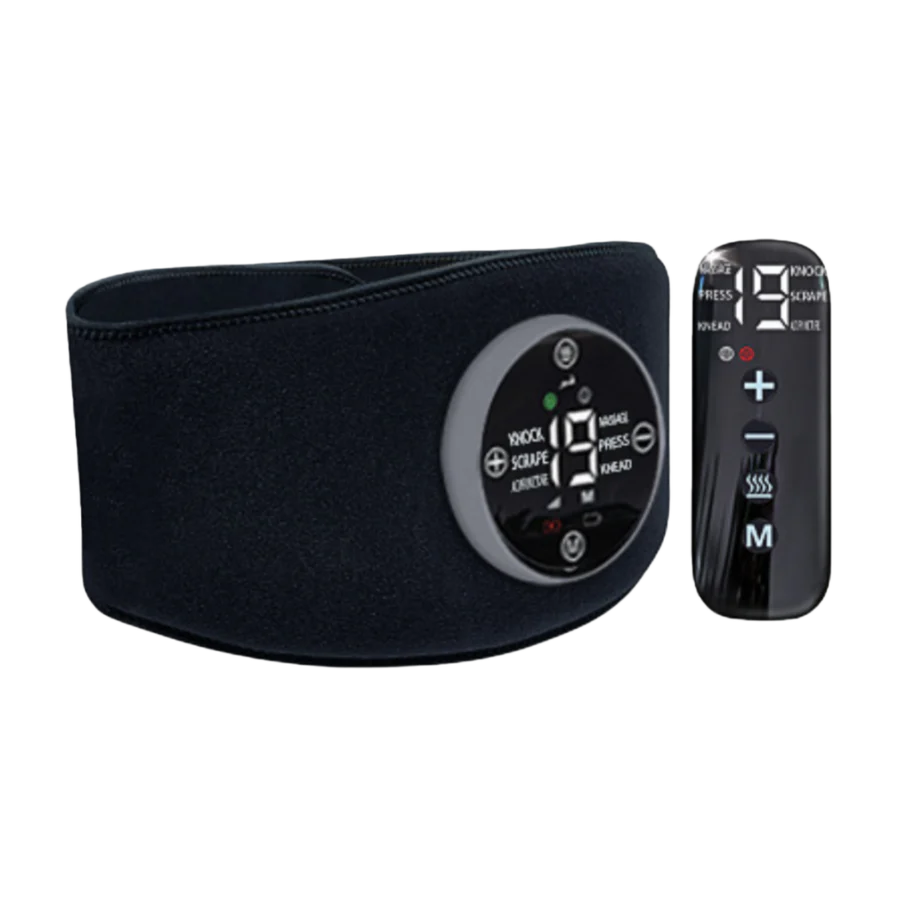
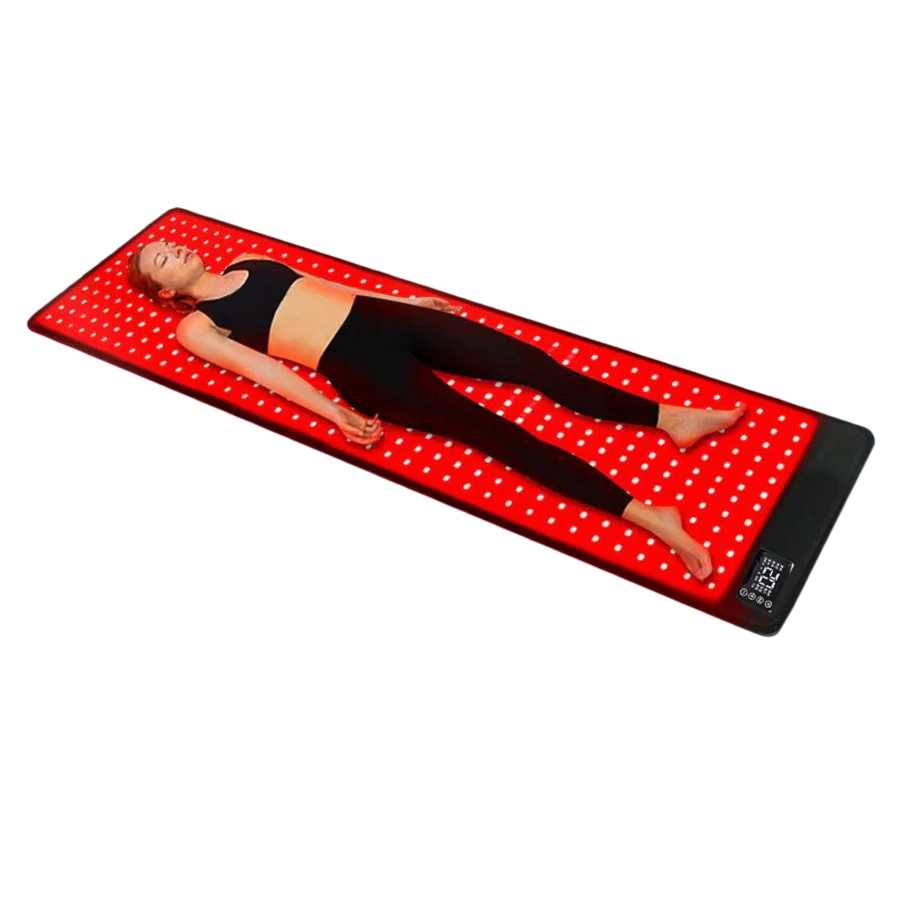
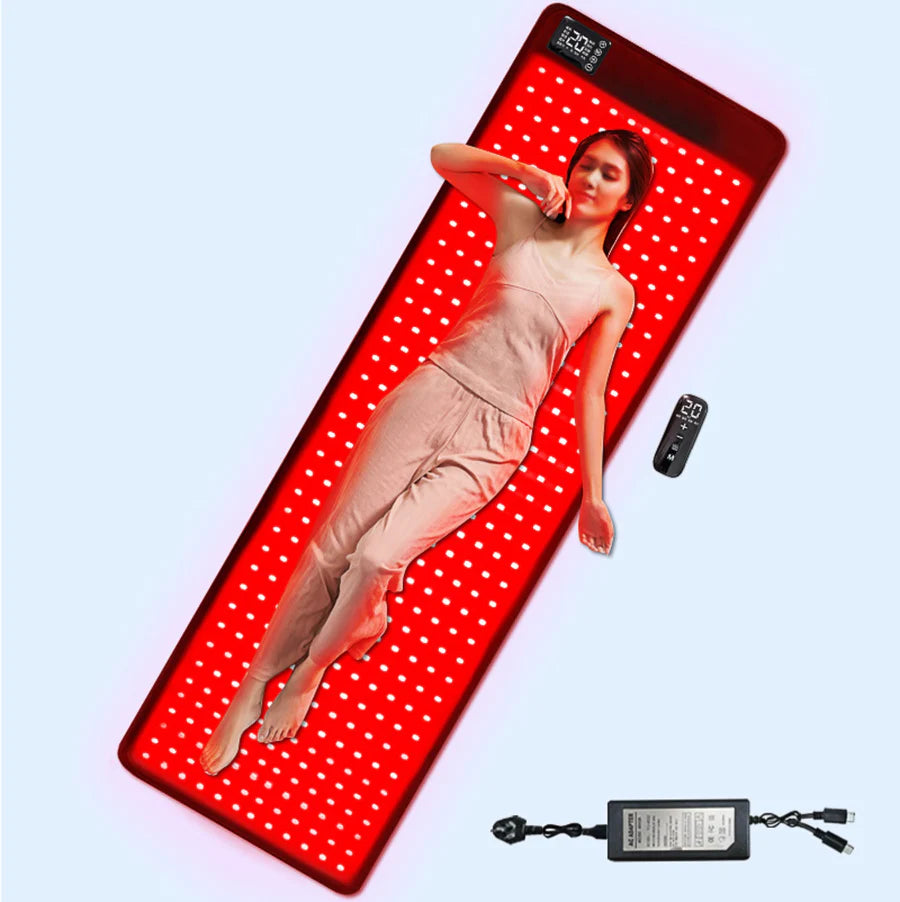
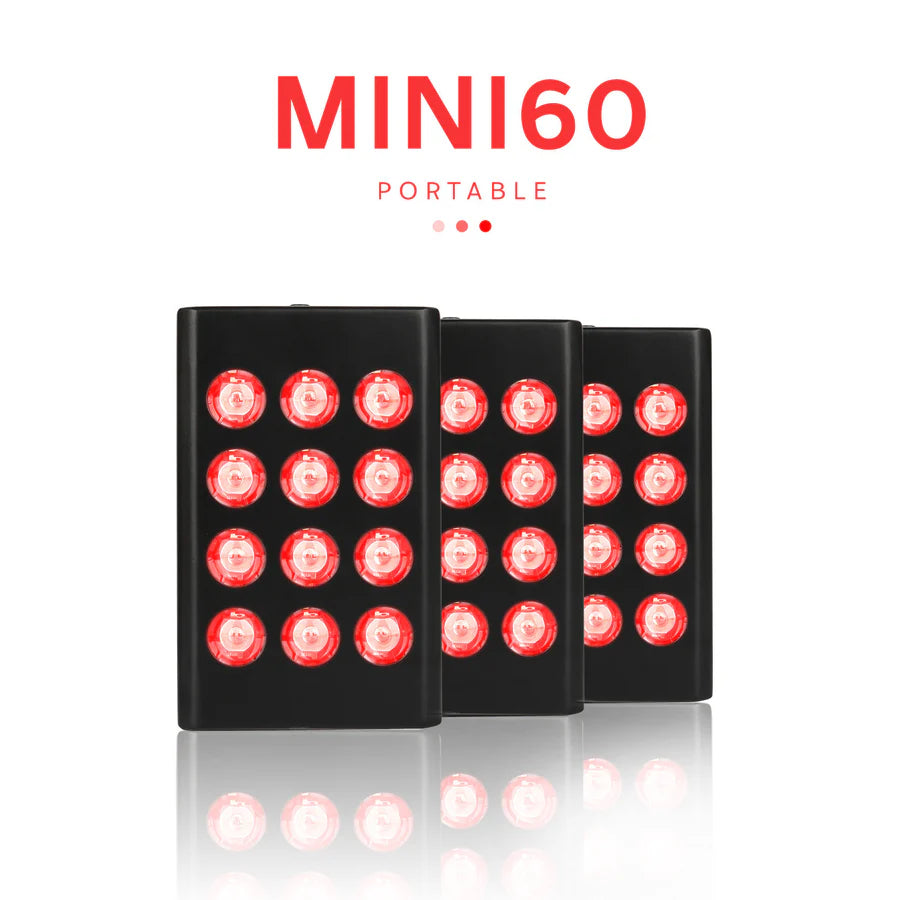
Red and near-infrared light devices for home wellness routines, available in portable, desktop, floor-standing, bulb, belt, mat, and large-panel designs.
Filters
18 products


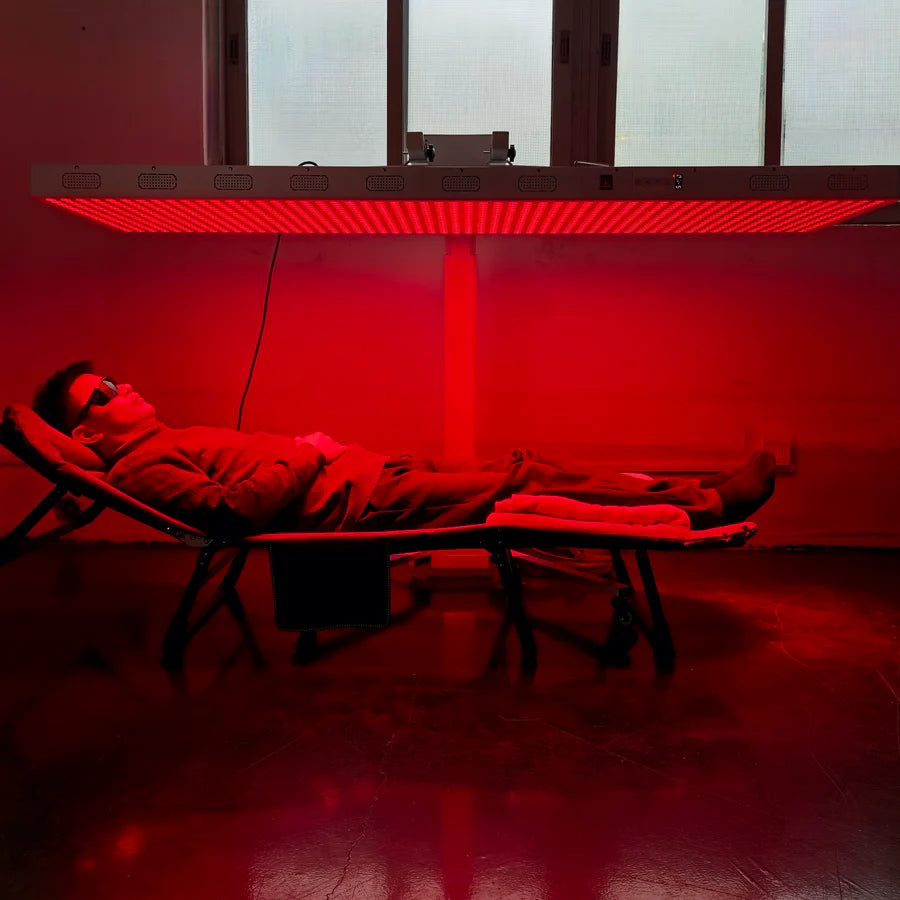
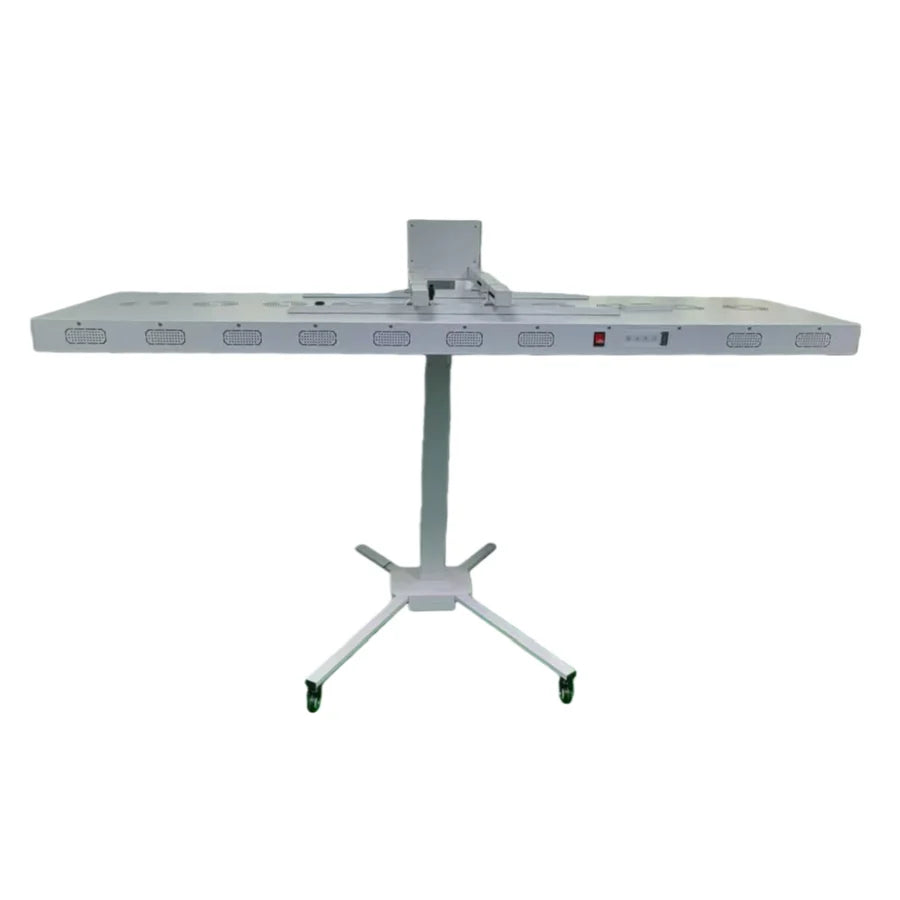
See It in Action
Real unboxings and product videos from our customers and the LightingWill team. See what’s in the box and get a closer look before you buy.


Shipping & Delivery
Most in-stock orders ship from our warehouse within 3–5 business days.
Red Light Therapy for Everyday Wellness

Dual Red & Near-Infrared Light
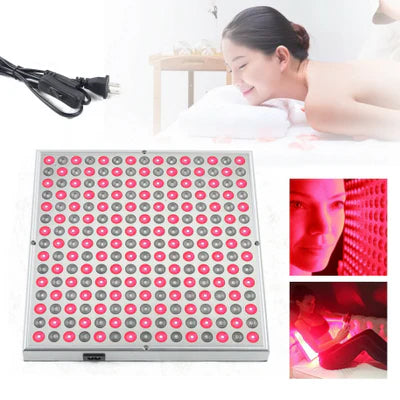
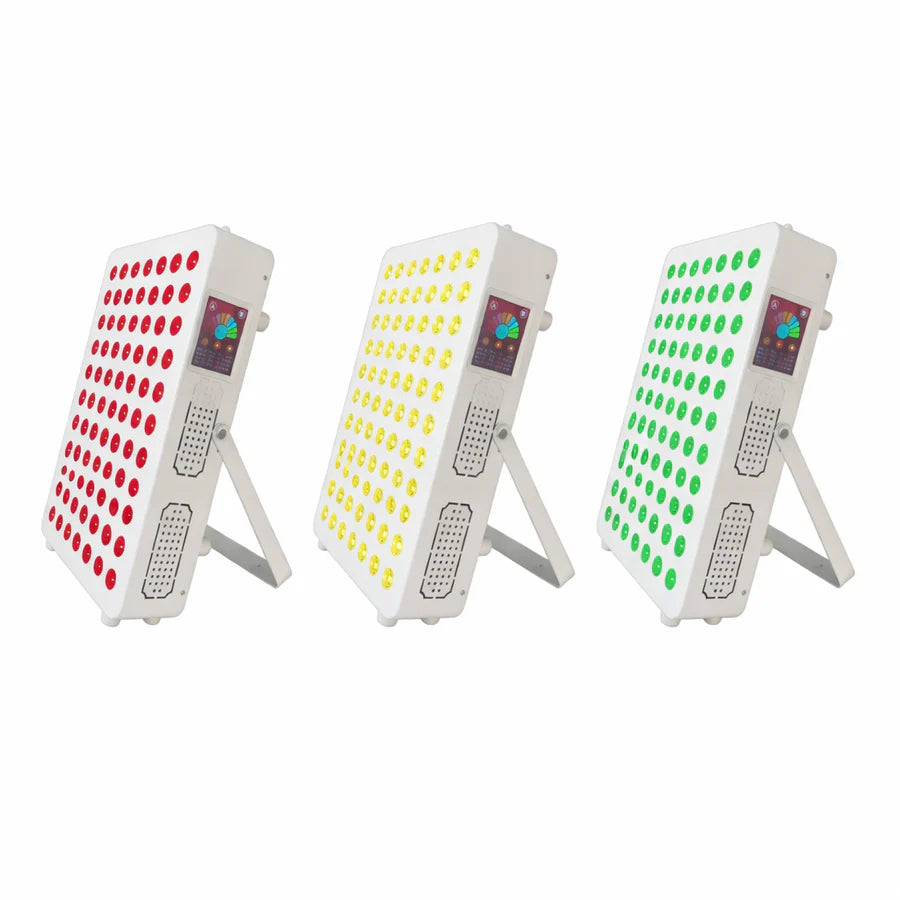
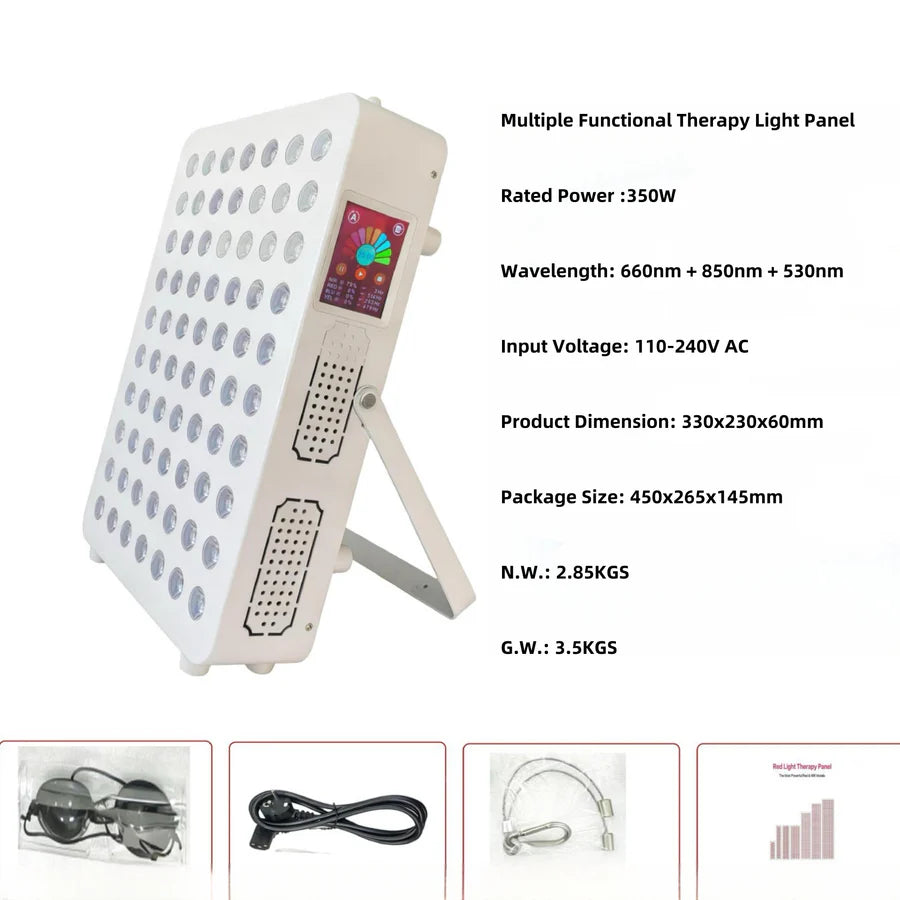
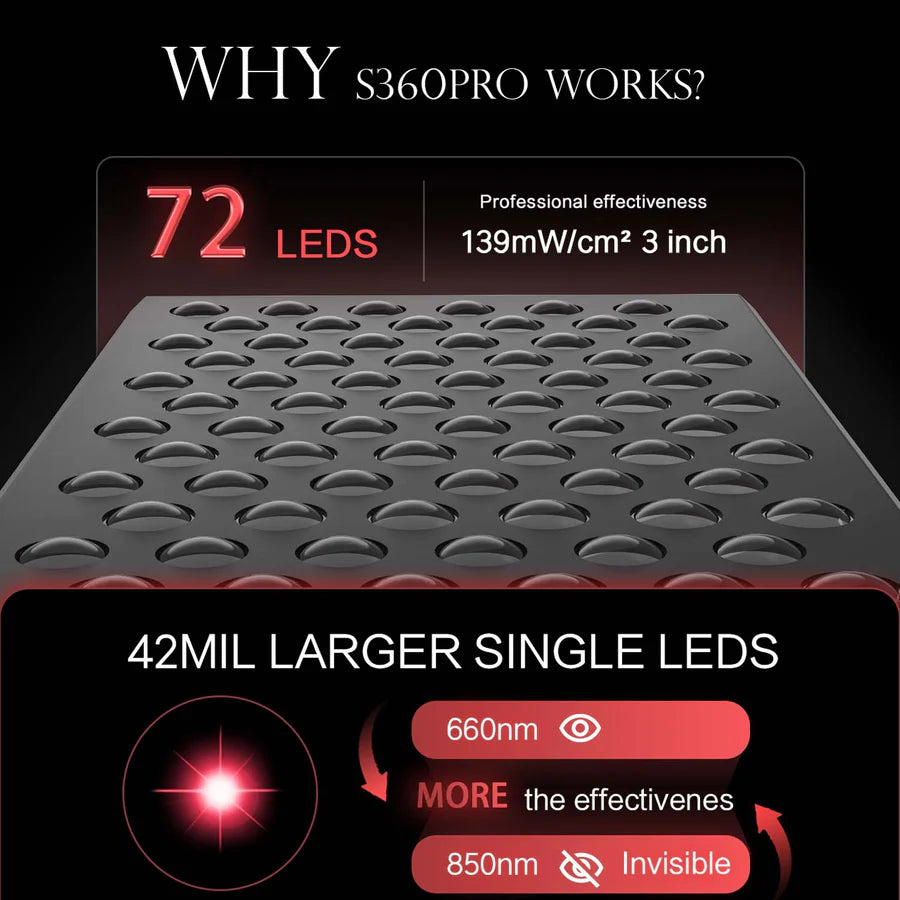
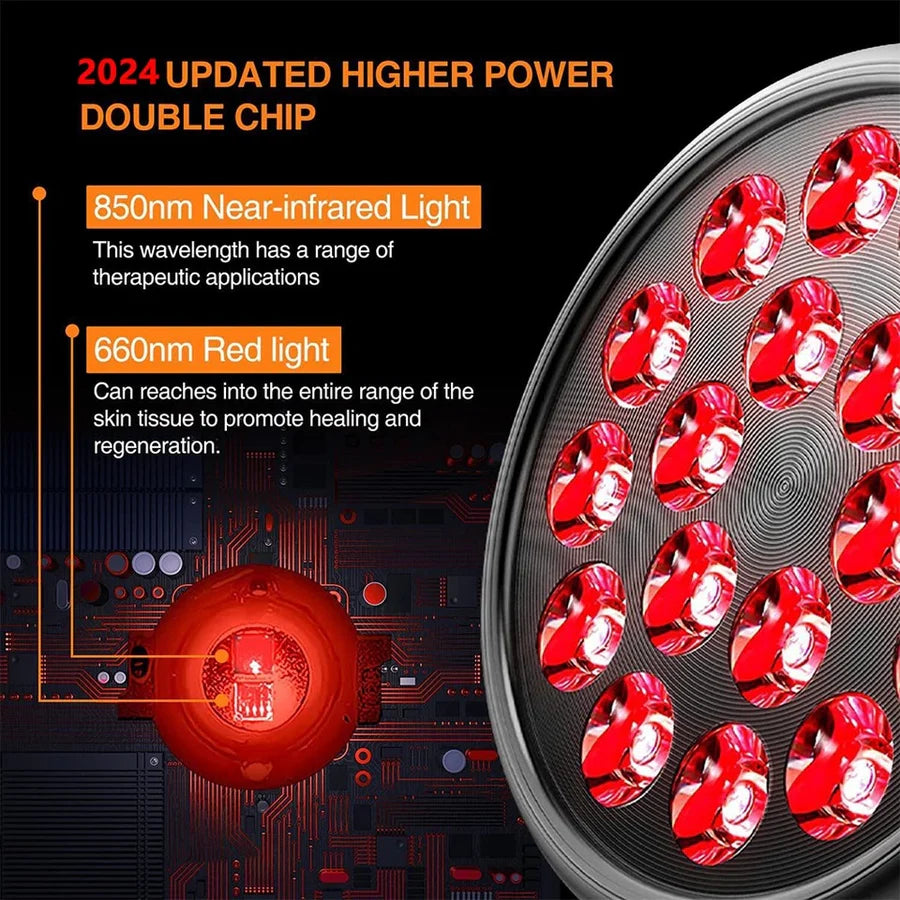
Many models combine 660nm red light with 850nm near-infrared light for versatile daily wellness routines.

Adjustable Session Controls
Selected models include timer, dimming, pulse or touch-control functions for more flexible everyday use.

Portable & Fixed Setup Options
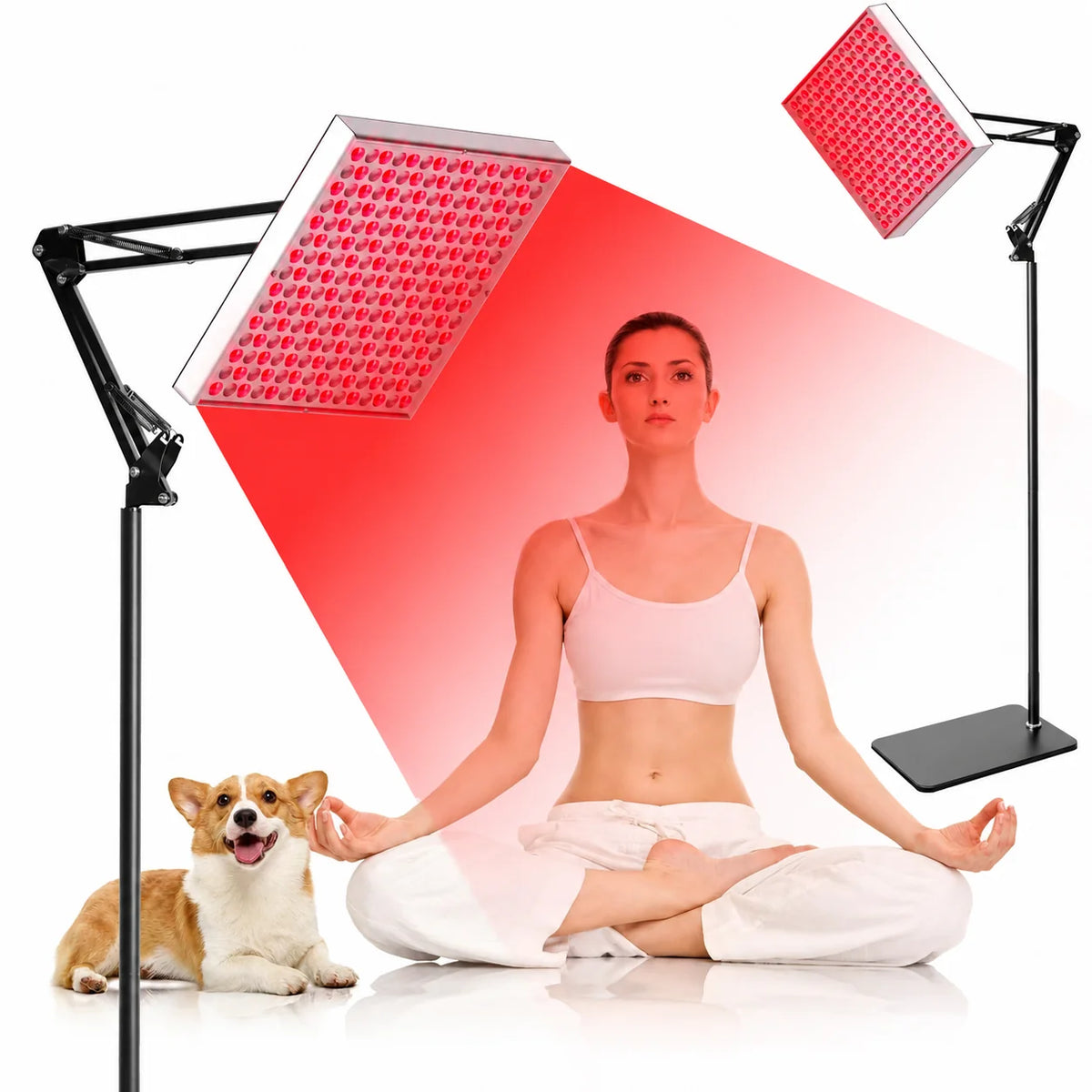
Available designs include handheld, desktop, hanging and clamp-mounted configurations to suit different spaces and routines.

Multiple Formats for Different Routines
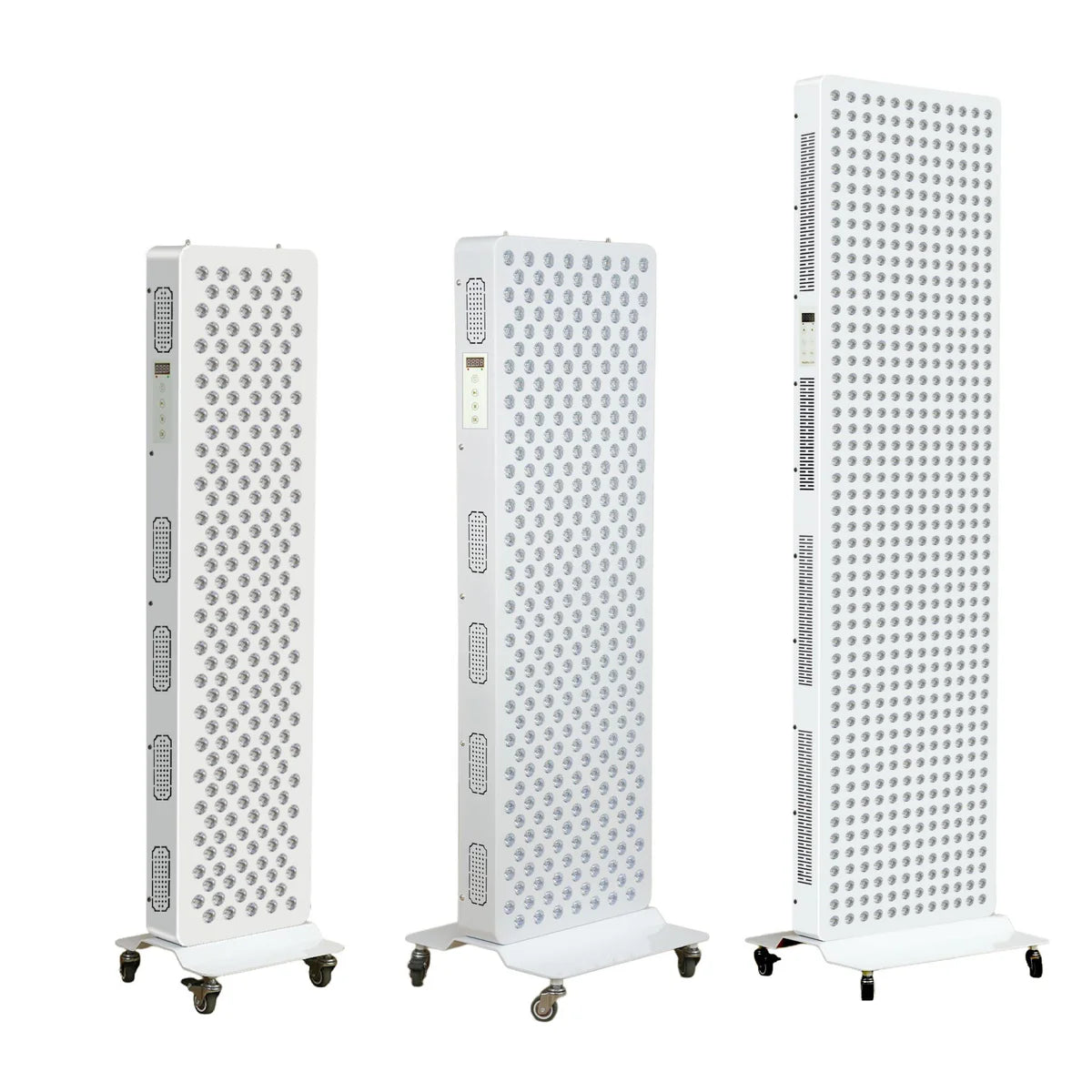
Choose from desktop lamps, larger panels, portable handheld devices and bulb-style options for different setups.

Options for Targeted or Wider Coverage
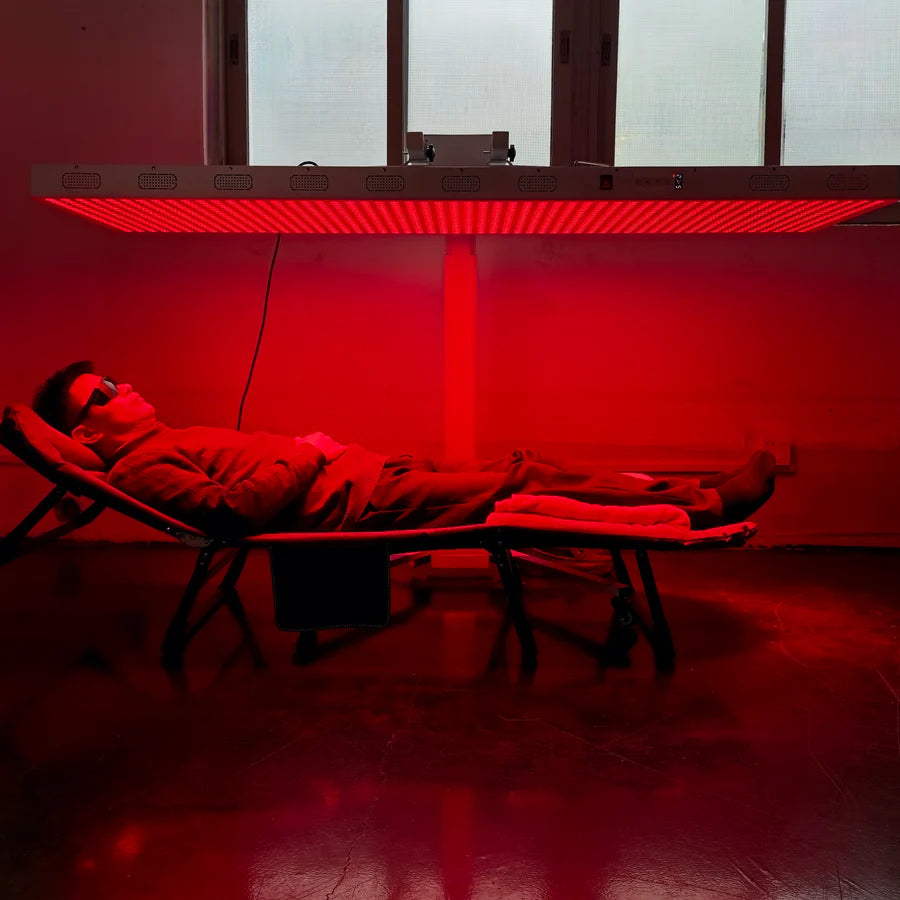
Smaller devices suit focused use, while larger panels provide broader illumination across a larger area.

Made for At-Home Wellness Use
Designed for convenient red and near-infrared light sessions at home or in similar personal wellness settings.
Red & Near-Infrared Light
Understanding Red Light and Near-Infrared Light
Red light treats surface conditions like fine lines and wrinkles or thinning hair.
Near-infrared light is beneficial when you're treating conditions deeper in the body, such as deep muscle injury, joint pain, or brain health.
Infrared light is a type of energy your eyes can’t see, but your body can feel as heat. Red light is similar to infrared, but you can see it.


How It Works
How Red Light Therapy Works
With red light therapy, you expose your skin to a lamp, device, or laser with a red light. A part of your cells called mitochondria, sometimes called the “power generators” of your cells, soak it up and make more energy. Some experts think this helps cells repair themselves and become healthier. This spurs healing in skin and muscle tissue.
Applications
Common Applications
- Accelerating recovery from injury
- Facial rejuvenation
- Knee injuries
- Carpal tunnel syndrome
- Low back pain
- Muscle recovery
- Chronic skin conditions such as acne or rosacea
- Balancing thyroid function
- Diabetic foot neuropathy
- Hair restoration

Product & Use
Red Light Therapy in Practice


Questions, projects & expert answers
Explore real customer questions, application ideas and answers from our team.
Featured discussion · Official answer

September 12, 2024
Answered by LightingWill
What do 660nm and 850nm mean on a red light therapy device?
A simple guide to the two wavelengths

September 12, 2024
Customer question
Is it normal that some of the LEDs look like they’re barely on?
Understanding visible red and near-infrared light
Buying guide
50W or 100W desktop lamp for a small home setup?
Choosing between two desktop sizes
Application case
Trying to build a red light setup without putting anything on the wall
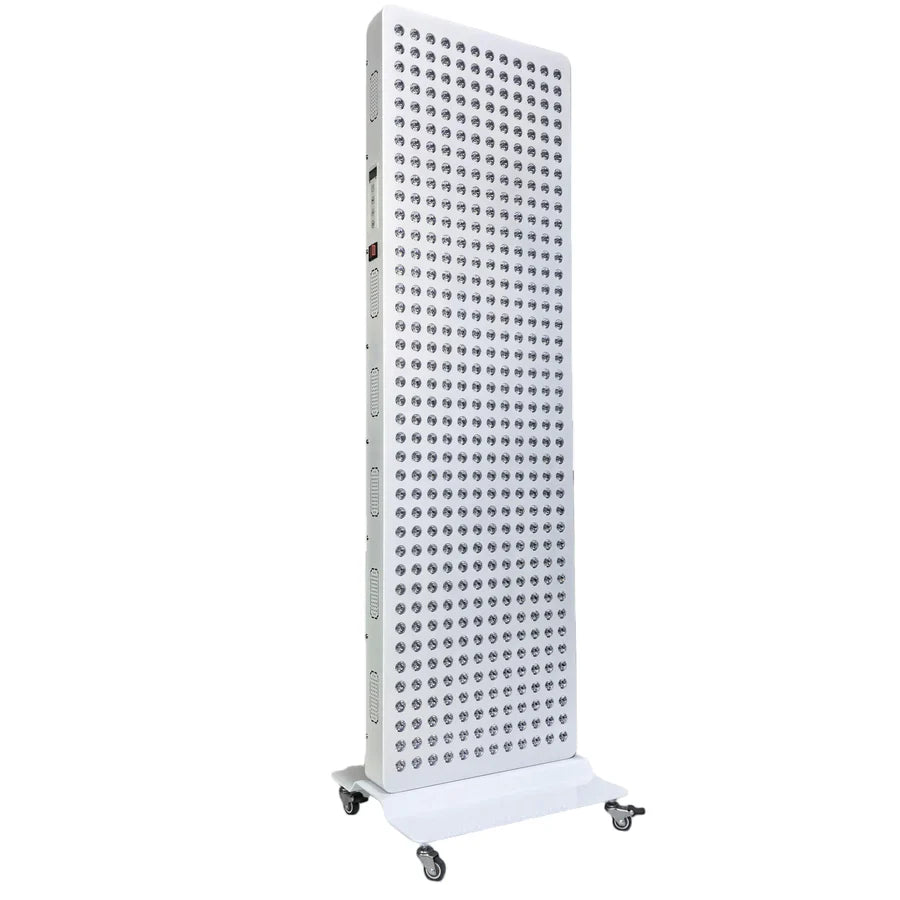
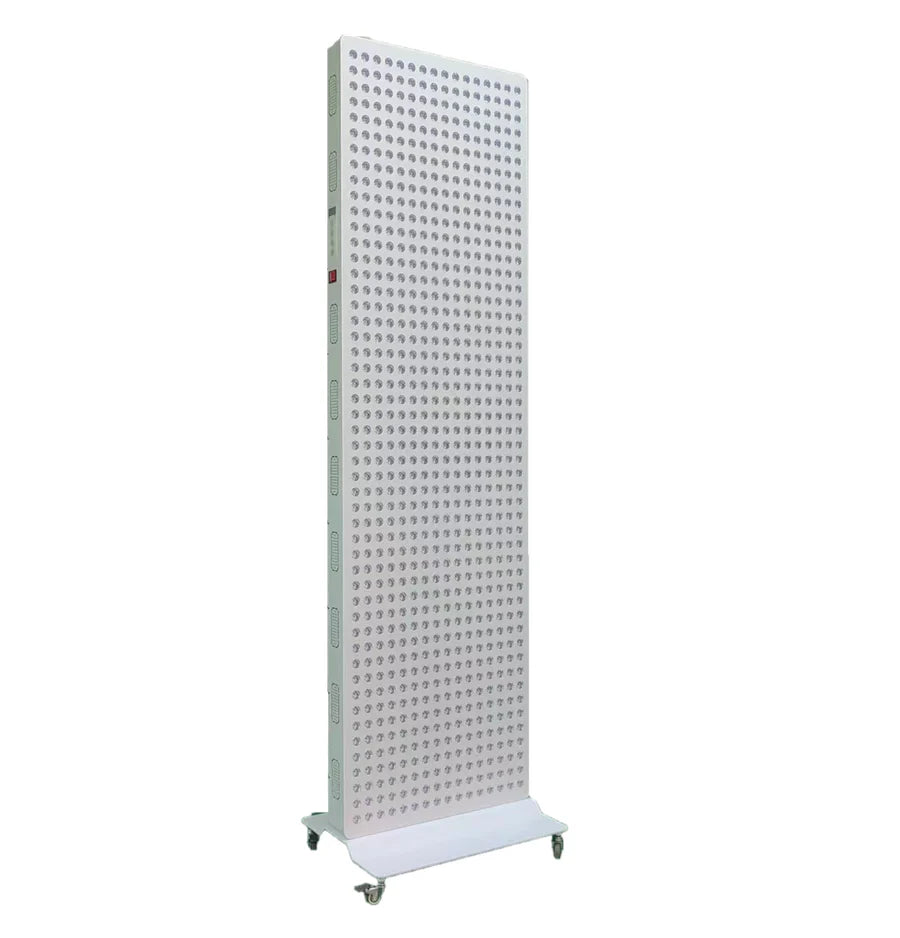
A floor-standing option for rented spaces
No discussions in this category yet.
Official answer
September 12, 2024
Lighting Specialist
What do 660nm and 850nm mean on a red light therapy device?
September 12, 2024
A lot of red light products list wavelengths such as 660nm and 850nm, but those numbers can be confusing if this is your first time comparing devices.Here’s the basic difference between the two types of light used across many LightingWill models.
Answered by LightingWill
Lighting Specialist
660nm is visible red light, so you can clearly see the LEDs glowing red when the device is operating.850nm is near-infrared light. It falls largely outside the visible range of human vision, which is why 850nm LEDs may appear much dimmer even when they are operating normally.Many LightingWill products combine the two wavelengths in the same device, while selected ALW-PRO models allow the red and near-infrared channels to be controlled separately.When choosing a device, also compare practical factors such as panel size, mounting style, brightness control, timer function and the area you want to illuminate.Red-light products should be used according to the product manual. They are wellness devices and should not be presented as substitutes for medical diagnosis or treatment.
Customer question
Lighting specialist
Is it normal that some of the LEDs look like they’re barely on?
I just set up the 50W desktop lamp and noticed something that had me second guessing whether all the LEDs were working.The red LEDs are obviously bright, but some of the others look extremely dim compared with them.Is that normal with the 850nm setting, or should every LED look equally bright to the eye?
Answered by LightingWill
Lighting specialist
Yes, that can be normal.The lamp combines 660nm visible red light with 850nm near-infrared light. The 660nm LEDs are clearly visible as red light, while 850nm near-infrared is largely outside the range the human eye can see.Because of that, the near-infrared LEDs may appear very dim or almost off even when they are operating.For product operation, rely on the device controls and instructions rather than judging the 850nm output only by visible brightness.

Buying guide
Lighting specialist
50W or 100W desktop lamp for a small home setup?
I’m trying to keep my setup pretty simple and I don’t have room for one of the large hanging panels.I’m looking at the 50W and 100W desktop models. Most of the time I’d be using it while sitting at a desk or on the couch.Is the 100W mainly about covering a larger area, or are there other differences I should be looking at?
Answered by LightingWill
Lighting specialist
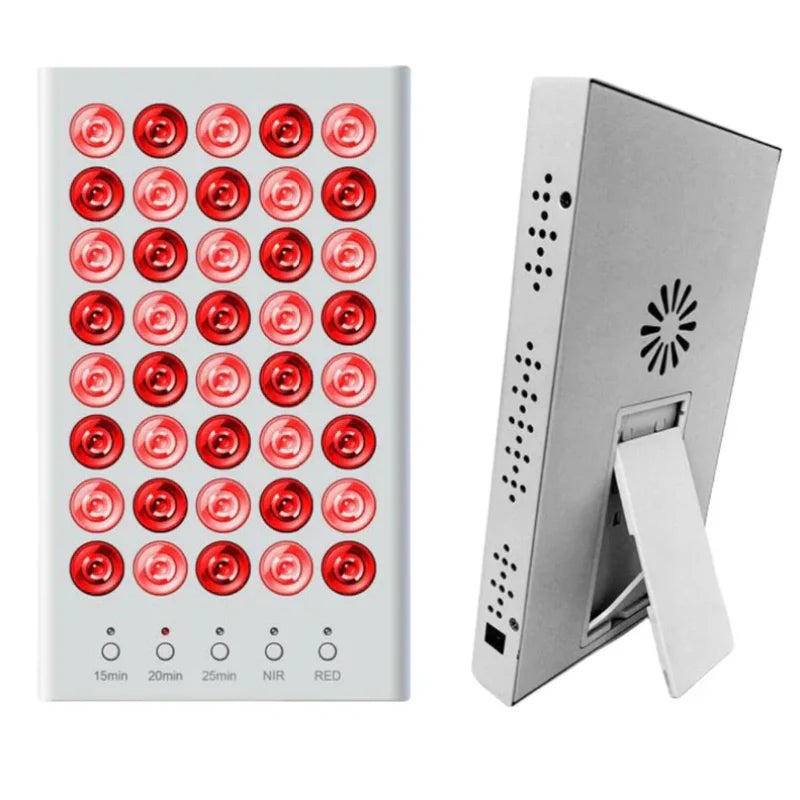
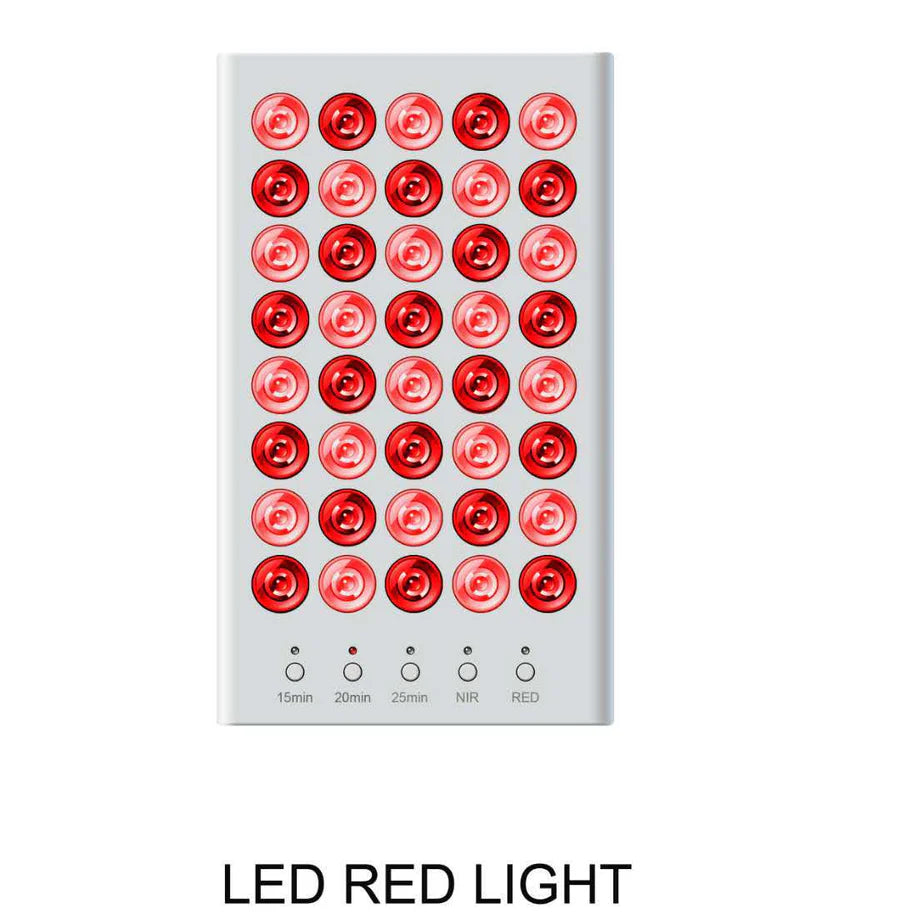
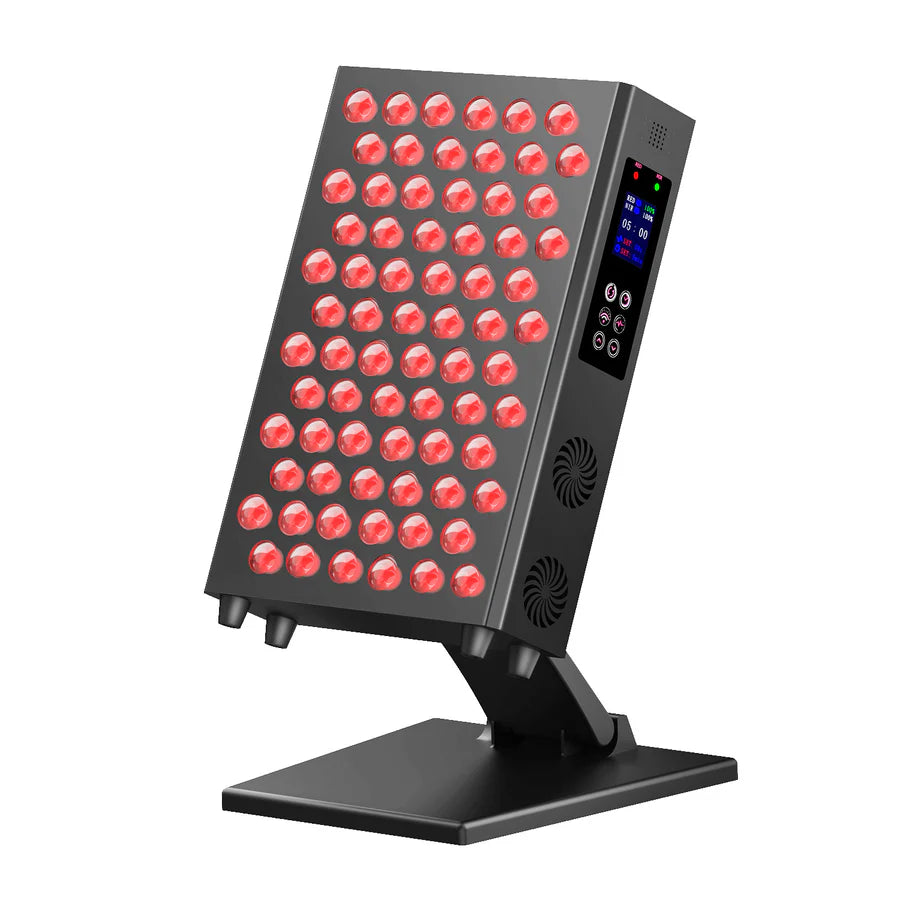
For a compact setup, both are designed as desktop options, but the 100W model gives you a larger LED array.The 50W desktop model uses 40 LEDs, while the 100W version uses 70 LEDs. Both provide 660nm red and 850nm near-infrared output and include adjustable brightness and a timer.If portability and a smaller footprint are the priority, the 50W model is a practical starting point. If you want a larger illuminated area from a desktop unit, consider the 100W model.

Application case
Lighting specialist
Trying to build a red light setup without putting anything on the wall
I’m renting at the moment, so I really don’t want to drill holes or hang a panel on the wall.My idea is to keep the lamp beside a chair and move it out of the way when I’m done.I saw the 20W floor-standing version and it looks like it might work better for me than a hanging panel. Is the stand included or would I need to buy that separately?
Answered by LightingWill
Lighting specialist
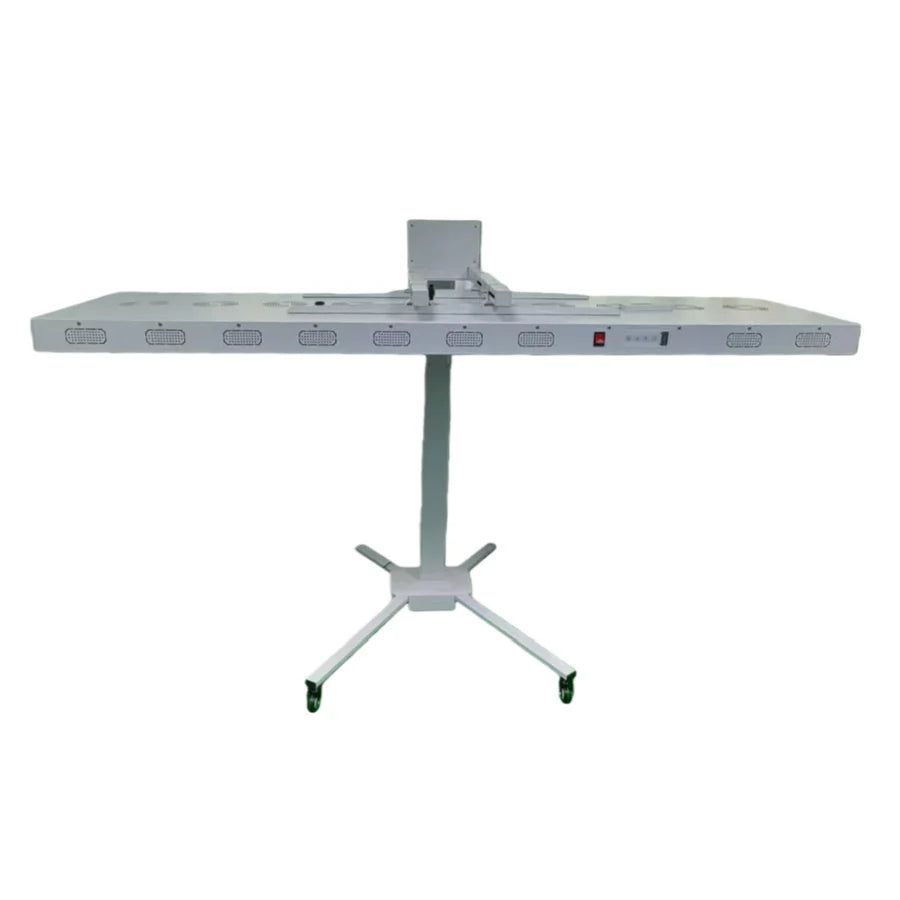
The 20W floor-standing model includes the floor stand, so it can be used without wall mounting.It also supports adjustable brightness and a timer, and operates on AC100–240V.For renters or smaller rooms, that can be more convenient than installing a permanent hanging setup.

Video stories
Watch our latest videos and explore the stories behind them.
 Video article
Red Light Therapy
50W Desktop Infrared Therapy Lamp Demo | 660nm Red Light & 850nm IR | LightingWill
50W Desktop Infrared Therapy Lamp Demo | 660nm Red Light & 850nm IR Watch the 50W desktop infrared therapy lamp in action with 40 LEDs...
Read & watch →
JUST ARRIVED
New LED Aluminum Channels
Fresh Designs. Seamless Lighting.
Meet our latest LED aluminum channel additions, designed to bring a clean, modern finish to your lighting projects.
DISCOVER NOW
LIMITED-TIME OFFER
Special Series Savings
Great lighting, special pricing.
Discover this period's featured lighting offers.
Check the applicable products and promotion details before ordering.